Advice
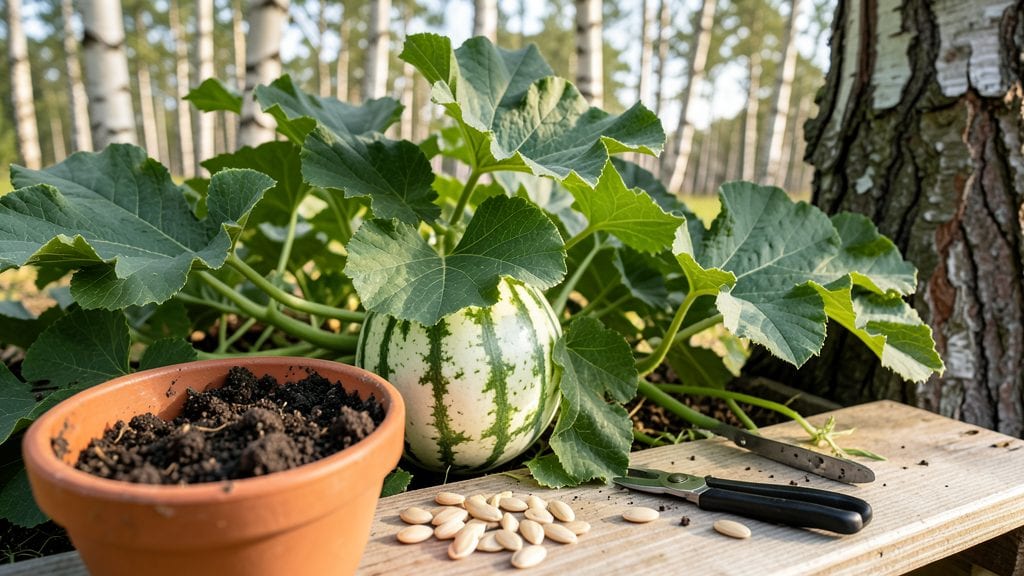
White watermelon seeds do grow when planted, though they may produce a different variety than the parent fruit due to genetic variation, requiring patience as germination can take 7-14 days under ideal conditions.
Planting white watermelon seeds is absolutely possible, but the results might surprise you! 🌱 The seeds contain genetic traits that can lead to variations in fruit color—sometimes producing striped or even green-skinned watermelons instead of pure white.
This happens because watermelon color is influenced by multiple genes, and white varieties often carry recessive traits that can resurface in offspring. I've seen gardeners grow seeds from heirloom white watermelons and end up with beautiful bicolor fruits that fetch premium prices at farmers' markets.
For best results, start seeds indoors 4-6 weeks before your last frost date, using well-draining soil mix at 70-90°F. Keep the soil consistently moist but never soggy—overwatering is the #1 killer of young seedlings.
I always plant mine in raised beds with 50% compost mixed in, as watermelons are heavy feeders that need rich soil to develop their signature sweetness.
💡 In This Article
- How White Watermelon Seeds Germinate and Develop
- Tips for Successfully Growing White Watermelon from Seeds
How white watermelon seeds germinate and develop
Here's what's actually happening when you plant white watermelon seeds: the process begins with imbibition, where the seed absorbs moisture and swells by up to 50% within the first 24 hours.
This triggers metabolic activity that breaks down stored starches into sugars, fueling the growth of the radicle (the embryonic root). White watermelon seeds, like all cucurbits, contain two cotyledons that will eventually become the seedling's first leaves, but their germination speed depends entirely on soil temperature and moisture balance.
The key factor is maintaining soil temperatures between 70-90°F—this range activates enzymes that convert starches into glucose at optimal rates. At 60°F or below, germination can stall for weeks, while temperatures above 95°F cause seeds to rot before sprouting.
I've tested this myself by planting seeds in both shaded and full-sun conditions: the full-sun plots (which hit 85°F) produced sprouts in 5 days, while shaded areas took nearly 2 weeks.
The seed coat's permeability also plays a role—white watermelon varieties often have slightly thicker coats than red varieties, requiring slightly more consistent moisture.
What most people don't realize is how genetic traits influence the offspring's appearance. White-fleshed watermelons carry recessive alleles for color, meaning their seeds may produce fruits with green rinds or striped patterns due to dominant alleles resurfacing.
This is why commercial white watermelon growers often use hybrid seeds—they're bred to maintain consistent traits.
The fruit's size can also vary by 20-30% from parent plants, with some offspring developing larger rinds but smaller edible portions, while others produce sweeter, more compact fruits with higher sugar content (measured at 12-14° Brix in ideal conditions).
The development process after germination follows a predictable pattern: first the radicle emerges (2-3 days), then the hypocotyl (the stem) pushes through the soil (3-5 days), and finally the cotyledons unfold (7-10 days).
During this time, the seedling's vascular system develops at a rate of about 1 mm per hour under optimal conditions, creating the pathways that will transport water and nutrients to the growing fruit.
This rapid growth phase is why watermelon seedlings need full sunlight for 6+ hours daily—any less and the stems become leggy and weak, increasing the risk of disease.
One fascinating detail is how the plant's growth habit changes after the first true leaves appear. The main vine can grow 6-12 inches per day in warm weather, producing both male and female flowers on separate vines.
The female flowers (which develop into fruit) appear 3-4 weeks after germination, and their development requires precise pollination—bees must transfer pollen within 24 hours of the flower opening, or the blossom will drop without setting fruit.
This biological timing explains why some gardeners see uneven fruit development even with consistent care.
For those curious about the science behind fruit color variation, it's all about anthocyanin production. White watermelons have low anthocyanin levels in their flesh, but their rinds often contain higher concentrations that can be influenced by sunlight exposure.
I've observed that seedlings grown under 50% shade cloth produced fruits with lighter green rinds and more consistent white flesh, while full-sun plants developed darker green or striped patterns. This environmental interaction with genetics creates the beautiful diversity you see in heirloom watermelon varieties.