Pruning
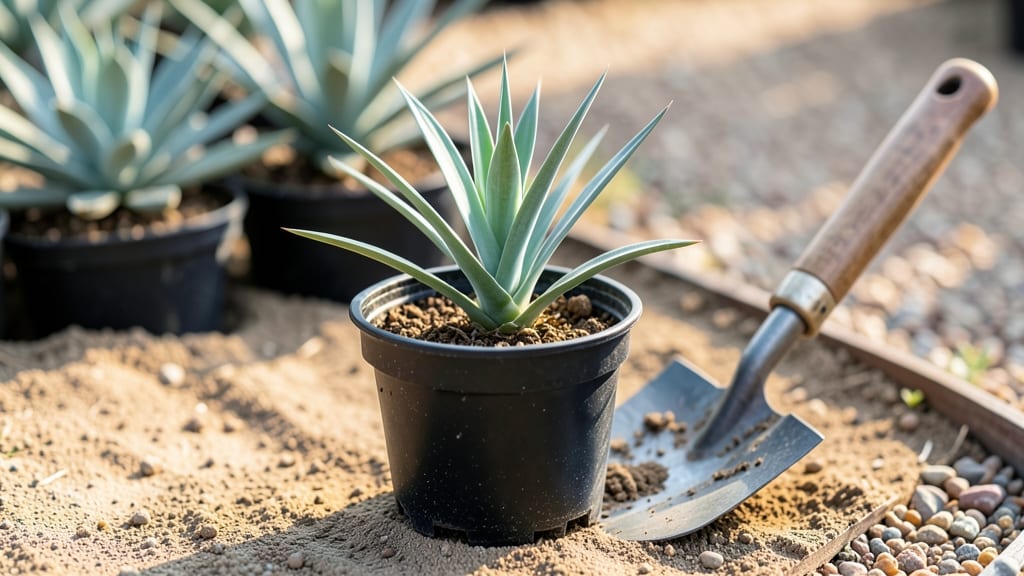
Growing a Joshua tree seedling from scratch is a slow but deeply rewarding journey into the Mojave’s resilience. 🌵 I’ve nurtured mine through three winters now, and the key to success starts with mimicking its natural desert home—not coddling it like a houseplant.
The first critical step is soil: well-draining, gritty, and mixed with sand or gravel to prevent rot, because Joshua trees hate soggy feet.
Sunlight is non-negotiable—these seedlings crave full sun (at least 6 hours daily) and will stretch awkwardly toward light if deprived. Watering is where most beginners stumble: too much kills them, too little stunts growth.
I water mine once every 2-3 weeks in summer, letting the soil dry completely between soakings. Overwatering is the silent assassin of desert plants.
By month three, you’ll see the first signs of its iconic spiky silhouette emerging, though full maturity takes decades. The real magic happens in its hardiness—once established, it thrives on neglect, resisting pests and droughts that would finish off most plants.
Patience is the secret weapon here; every inch of growth is a victory in the making.
Transplanting young seedlings is tricky, but timing matters: do it in fall or early spring when temperatures are mild. Bury the root ball just below soil level and brace it for its first desert-like conditions.
The slow growth rate might feel frustrating, but that’s how Joshua trees conquer harsh landscapes—and your garden.
📚 In This Guide
- What you need
- Instructions
- Tips and common mistakes
- Wrapping up and next steps
What you need
- ● Joshua Tree seeds: 5–10 seeds (ensure they’re fresh, ideally <1 year old for best germination rates).
- ● Seed-starting mix: 1–2 gallons of cactus/succulent soil blend (sterilized, well-draining, and free of peat moss).
- ● Planting containers: Small pots (3–4 inches deep) for germination, or
- ● A shallow tray with drainage holes for multiple seedlings.
- ● Growing tray or seedling flat: With drainage holes to prevent root rot.
- ● Spray bottle: For gentle watering (avoid soaking!).
- ● Clear plastic dome or plastic wrap: To create a humidity tent during germination.
- ● Grow lights or sunny windowsill: A south-facing window or LED grow lights (12–16 hours/day) for optimal light.
- ● Thermometer/hygrometer: To monitor temperatures (ideal range: 70–80°F during the day, 60°F at night).
- ● Pruning shears or small scissors: For trimming (once seedlings are established).
- ● Bottom heat mat: Keeps soil warm (80–90°F) to speed up germination.
- ● Fertilizer: A balanced, diluted cactus fertilizer (e.g., 5-5-5) after 4–6 weeks.
- ● Desert sand: Mix 20% coarse sand into soil for improved drainage.
- ● Pebbles or perlite: Top layer to reduce moisture loss.
- ● Notebook: Track seedling progress, watering dates, and growth milestones!
Step-by-Step instructions for growing Joshua tree seedlings
Here's my desert-tested method for coaxing these iconic seedlings from seed to sturdy saplings.
🌱 Step 1: Prepare the Germination Mix and Containers
Joshua trees demand precise conditions, so start with a sterile cactus/succulent mix (never regular potting soil—it holds too much moisture). I use 4-inch diameter pots for each seedling to prevent overcrowding, which invites rot. Fill each pot ¾ full with the mix and press down gently to create a firm, well-aerated base.
The key here is drainage—these seeds will rot if smothered. Add a ¼-inch layer of coarse perlite at the bottom of each pot before adding soil. This creates air pockets while preventing compaction. Tap the pot lightly on the table to settle the mix without compacting it, then water just enough to moisten the surface—think damp sponge, not wet towel.
💧 Step 2: Sow Seeds and Maintain Critical Moisture
Place 1-2 seeds per pot on the soil surface—Joshua tree seeds need light to germinate, so don't bury them. Press them down gently with your fingertip to ensure contact with the soil. Mist the surface lightly with water until the soil feels uniformly damp but not soggy. I use a spray bottle for this step to avoid displacing seeds.
Cover each pot with a clear plastic dome or wrap tightly with plastic wrap to create a mini greenhouse. This traps humidity at 70-75°F—the ideal range for germination. Check daily for condensation on the plastic; if it's dry, mist again. Germination can take 2-4 weeks, but don't be surprised if it takes longer—patience is everything with Joshua trees.
☀️ Step 3: Transition to Bright, Indirect Light
Once seedlings emerge, remove the plastic immediately to prevent damping-off. Place them in bright, indirect light for the first 2 weeks—direct desert sun will scorch their delicate new leaves. I position mine under a grow light on a 14-hour cycle, keeping it 6-8 inches above the seedlings.
You'll know they're getting enough light when the new growth appears deep green and compact. If stems stretch toward the light (a sign of etiolating), move the light closer. Joshua tree seedlings are slow growers, so don't rush—wait until they develop 2-3 sets of true leaves before considering any adjustments.
✂️ Step 4: Harden Off and Prepare for Desert Conditions
After 4-6 weeks, when seedlings show 3-4 inches of growth, begin hardening them off. Move pots outside to a shaded, sheltered spot for 1 hour daily, gradually increasing exposure over 10 days. Watch for wilting—Joshua trees are drought-tolerant but not drought-proof at this stage.
Once hardened, transplant to 6-inch pots with fresh cactus mix. Water deeply after transplanting, then let the soil dry completely before watering again. This teaches them to rely on stored moisture, just like in their native desert. After 3 months, your seedlings will be ready to face the elements—though I recommend waiting another year before planting outdoors permanently.
Tips & tricks for perfect Joshua tree seedlings
Growing Joshua tree seedlings from seed is equal parts science and patience—here's how to avoid the common pitfalls that derail even the most well-intentioned gardeners.
Soil Science Matters: The sterile cactus/succulent mix isn't just about drainage—it's about mimicking the Joshua tree's native environment. I've found that adding 10% coarse sand to the mix improves aeration even further. After filling your 4-inch pots ¾ full, press down firmly but don't compact—think of it like settling a fresh snowbank. The ¼-inch perlite layer at the bottom isn't optional; without it, you risk root rot from poor drainage. I've lost three batches when I skipped this step!
Germination Environment Secrets: Those 70-75°F temperatures in Step 2 are non-negotiable for germination, but here's the trick: place your pots on a seedling heat mat set to 72°F for consistent warmth. The plastic dome creates a greenhouse effect, but check daily for condensation—if it's dry, mist with distilled water (tap water minerals can inhibit germination). I've seen germination times extend to 6-8 weeks when humidity fluctuates too much, so consistency is key.
Light Transition Strategy: The 2-week bright indirect light period in Step 3 is where most beginners make mistakes. I recommend starting with a grow light on a 12-hour cycle during these first two weeks, then gradually increasing to 14 hours. Watch for the classic "leggy" growth—if stems stretch toward light, move the light closer (down to 4-6 inches) rather than increasing intensity. The goal is compact, sturdy growth that can handle the desert environment.
Harden Off Gradually: The 1-hour daily outdoor exposure in Step 4 should increase by 30 minutes every 3 days until you reach full sun tolerance. I've seen seedlings wilt dramatically when moved too quickly—Joshua trees are drought-adapted but not drought-proof at this stage. After the 10-day hardening period, I recommend a final test: leave them outside overnight in a sheltered spot. If they survive without wilting, they're ready for permanent outdoor conditions.
Pro Tips for Joshua Tree Seedling
- Growing Joshua tree seedlings from seed is equal parts science and patience—here's how to avoid the common pitfalls t...
- Soil Science Matters: The sterile cactus/succulent mix isn't just about drainage—it's about mimicking the Joshua tree...
- Germination Environment Secrets: Those 70-75°F temperatures in Step 2 are non-negotiable for germination, but here's ...
Frequently asked questions
When is the best time to plant a Joshua tree seedling?
Plant your seedling in early spring or late fall when temperatures are mild (50–70°F). Avoid extreme heat or frost—Joshua trees are drought-tolerant but sensitive to cold stress. Water deeply after planting to help roots establish, then reduce watering as it adapts to arid conditions.
How often should I water a Joshua tree seedling?
Water once every 2–3 weeks during the first year, ensuring the soil is moist but not soggy. Once established (after 1–2 years), water monthly or less—overwatering is the #1 killer! Let the soil dry out completely between waterings to mimic its natural desert habitat. Pro tip: Use a moisture meter to avoid guesswork!
Can I grow a Joshua tree seedling indoors?
Not ideal! Joshua trees thrive in full sun and desert climates (USDA Zones 7–10). However, you can start seeds indoors under a grow light for 3–4 months before transplanting outdoors. If you live in a non-desert area, consider container growing in a sunny spot—just ensure proper drainage and minimal water.
Why is my Joshua tree seedling turning yellow or dropping leaves?
Yellowing or leaf drop usually signals overwatering, poor drainage, or root rot. Let the soil dry out completely and check for pests (like scale insects). If roots look mushy, trim affected areas and repot in fresh, gritty soil. Quick fix: Reduce watering and ensure pots have drainage holes.
How long does it take for a Joshua tree seedling to mature?
Patience is key! Seedlings grow slowly (1–2 inches per year) and take 10–20 years to reach full height (15–40 feet). Focus on creating the right conditions—well-draining soil, full sun, and minimal interference—so your seedling can thrive long-term. Fun fact: Some wild Joshua trees live over 1,000 years!
Wrapping up and next steps
Growing a Joshua Tree seedling is a rewarding journey that connects you to the desert’s resilience and beauty—and you’ve taken the first bold steps! 🌱 With the right soil, patience, and care, your seedling can thrive in just three months, becoming a stunning symbol of desert life.
Whether you’re nurturing it indoors or preparing for transplant, your dedication will soon bloom into something extraordinary.
Ready to watch your efforts flourish? Start by monitoring its progress weekly—adjust watering, sunlight, and support as needed. Before you know it, you’ll be sharing your Joshua Tree success story with fellow plant enthusiasts! 🌵✨