Plants
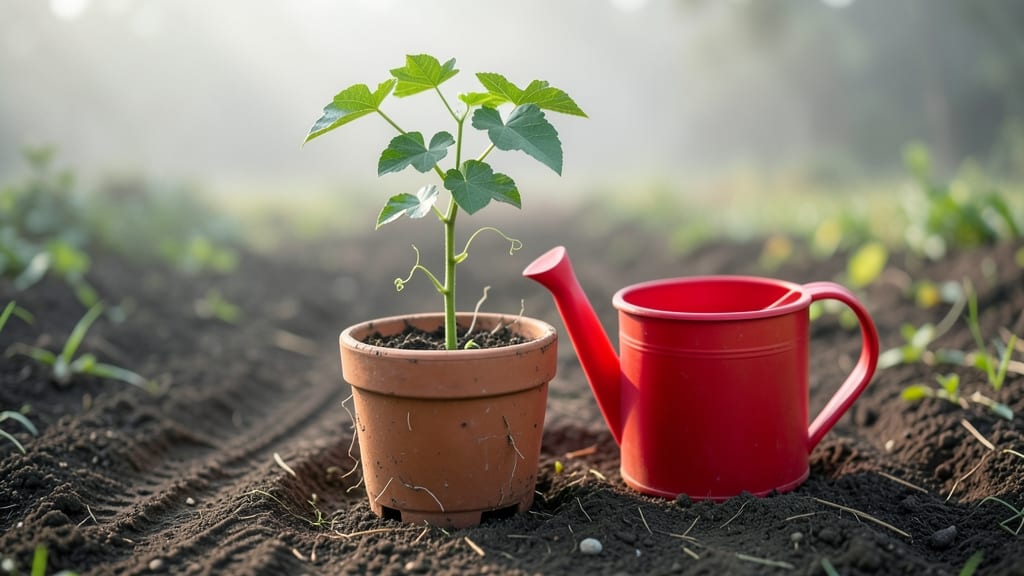
Growing passion vine seedlings from seed isn’t just possible—it’s a gateway to vibrant blooms in just 3 months. ✨ I’ve struggled with flimsy seedlings before, but cold stratification changed everything by mimicking nature’s way of breaking seed dormancy.
The key is patience and a little chill, which turns stubborn seeds into sturdy little vines ready to climb.
You’ll need a few simple supplies: seeds, a plastic bag, damp paper towels, and a refrigerator. No fancy equipment here—just a way to trick the seeds into thinking winter’s passed. Once they’ve had their cold snap, they’ll sprout faster and stronger than store-bought seedlings ever could.
My first batch went from tiny sprouts to leafy vines in under a month after stratification.
The payoff comes when those first tendrils appear, reaching for anything they can grab. By late spring, you’ll have lush, fast-growing vines with the potential for stunning flowers—if you keep them happy with bright light and consistent moisture. The trick is avoiding overwatering, which turns seedlings into sad, mushy messes.
This method works whether you’re starting from scratch or rescuing a weak seedling. Cold stratification isn’t just for passion vines—it’s a game-changer for tough seeds like morning glories too. Let’s get those seeds sprouting the right way from the start.
📚 In This Guide
- What you need
- Instructions
- Tips and common mistakes
- Wrapping up and next steps
What you need
- ● Passion vine seeds: 5–10 fresh, viable seeds (check for plumpness and no cracks).
- ● Potting mix: 1–2 cups of well-draining, sterile seed-starting mix (e.g., Pro-Mix or coconut coir + perlite).
- ● Small pots or containers: 2–4 biodegradable pots (2–3 inches deep) or a seed tray with cells.
- ● Plastic wrap or humidity dome: To retain moisture during stratification.
- ● Ziplock bag or airtight container: For cold stratification (quart-sized works well).
- ● Vermiculite or moist paper towels: 1–2 tbsp to surround seeds (keeps them hydrated but not soggy).
- ● Label or marker: To tag pots/containers with seed type and date.
- ● Spray bottle: For gentle watering (avoid over-saturating seeds).
- ● Refrigerator: With a consistent 35–40°F (2–4°C) temp for stratification (use the crisper drawer).
- ● Grow lights or sunny windowsill: After stratification, for 12–14 hours of light daily.
- ○ Heat mat (optional): For faster germination post-stratification (70–75°F range).
- ○ Thermometer (optional): To monitor soil/pot temps during germination.
- ● Seed scarification: Lightly nick the seed coat with sandpaper if germination is slow (boosts moisture absorption).
- ● Moisture check: Squeeze vermiculite—it should feel damp like a wrung-out sponge, not dripping.
- ● Light access: Place containers near a bright window after stratification (but avoid direct sun until sprouts emerge).
Step-by-Step instructions for cold stratifying passion vine seeds
Here's how to break dormancy and coax those stubborn passion vine seeds into sprouting like clockwork.
🌱 Step 1: Prepare Seeds for Stratification
Passion vine seeds need 8-12 weeks of cold treatment to mimic winter conditions and trigger germination. Start by soaking the seeds in lukewarm water for 24 hours—this softens the tough outer shell and kickstarts the process. Place them in a sealed container with a damp paper towel, then refrigerate at 35-40°F.
Check the container weekly and mist with water if the paper towel dries out. You'll see the seeds plump slightly and develop a tiny white root—this is your signal they're ready for the next phase. Real talk: Skipping this step means seeds will either rot or take 6+ months to sprout, if ever.
⏰ Step 2: Monitor Cold Treatment Progress
After 6 weeks in cold storage, remove the seeds and inspect for root growth. Healthy seeds will have ¼-inch white roots emerging. If roots are longer than ½ inch, they're ready to plant immediately. If not, return them to cold storage for 2 more weeks—never rush this step.
Here's the thing—temperature consistency matters. If your fridge fluctuates above 45°F, germination slows dramatically. Use a thermometer to confirm the cold zone stays steady. You'll know it's working when roots grow 1-2 inches before planting.
🪴 Step 3: Plant Stratified Seeds in Moisture-Retentive Mix
Fill 4-inch pots with a blend of 50% peat moss and 50% perlite—this lightweight mix prevents damping-off while retaining enough moisture. Plant each seed ½ inch deep, root-side down, and cover lightly with additional mix. Press gently to ensure contact with soil.
Water thoroughly until moisture seeps from the drainage holes, then place pots in a warm, shaded location (around 70°F). The goal is to keep soil consistently damp—not soggy. You'll see first true leaves emerge in 2-4 weeks, signaling successful germination.
☀️ Step 4: Transition to Bright, Indirect Light
Once seedlings develop 2-3 sets of leaves, move them to bright, indirect light for 6+ hours daily. A south-facing window with sheer curtain works best—direct sun at this stage scorches delicate foliage. Rotate pots weekly to prevent lopsided growth toward the light source.
Watch for yellowing leaves, which means either overwatering or insufficient light. Strong seedlings will have deep green, glossy leaves and stems that feel firm when pinched. This is the critical phase where most growers lose patience—stick with it, and you'll have sturdy plants ready for transplanting in 3 months.
✂️ Step 5: Harden Off and Transplant
Two weeks before your last frost date, begin hardening off by placing seedlings outdoors in partial shade for 1 hour daily. Gradually increase exposure by 1 hour every 2 days until they tolerate full sun for 6+ hours. This gradual transition prevents transplant shock that kills delicate seedlings.
Choose a permanent spot with 6+ hours of sun and well-draining soil. Dig holes twice as wide as the root ball and space plants 6-8 feet apart—passion vines spread aggressively. Water deeply after planting to settle soil around roots, and mulch with 2 inches of organic matter to retain moisture.
Tips & tricks for perfect passion vine seedling growth
These game-changing strategies will help you bypass the most common pitfalls and get those passion vine seeds sprouting reliably in just 8-12 weeks.
Temperature Precision: The 35-40°F range in Step 1 is non-negotiable for breaking dormancy. I recommend using a dedicated refrigerator drawer or a dedicated seed fridge rather than relying on your main fridge's vegetable bin, which often fluctuates above 45°F. Place a thermometer inside your chosen storage spot for the first 24 hours to confirm consistency—any variation above 40°F slows germination dramatically.
Root Growth Indicator: In Step 2, when checking for ¼-inch white roots after 6 weeks, look for a second visual cue: the seed coat should begin to split slightly. This happens just before root emergence and confirms the seed is actively breaking dormancy. If you see roots longer than ½ inch but no splitting, the seed may be over-stratified—plant immediately to avoid root damage.
Soil Mix Science: The 50/50 peat moss and perlite blend in Step 3 serves two critical purposes: the peat holds moisture while the perlite prevents compaction. To enhance this further, I recommend adding a handful of fine orchid bark to improve aeration. When pressing the seed into place, aim for gentle but firm contact—think "light handshake" rather than "firm grip" to avoid crushing delicate roots.
Light Transition Strategy: For Step 4's bright indirect light requirement, I've found that placing seedlings under a sheer white curtain (rather than sheer fabric) diffuses light more evenly while still allowing sufficient intensity. Rotate your pots not just weekly but every 3-4 days—this prevents the seedlings from leaning toward one light source, which creates that classic "leggy" growth pattern that weakens stems.
Pro Tips for Passion Vine Seedling
- These game-changing strategies will help you bypass the most common pitfalls and get those passion vine seeds sprouti...
- Temperature Precision: The 35-40°F range in Step 1 is non-negotiable for breaking dormancy. I recommend using a dedic...
- Root Growth Indicator: In Step 2, when checking for ¼-inch white roots after 6 weeks, look for a second visual cue: t...
Frequently asked questions
Got questions about growing passion vine seedlings from cold stratification? You’re not alone!
Here are some of the most common concerns—and their solutions—to help you get those vibrant blooms faster.
How long should I cold stratify passion vine seeds?
Cold stratification typically takes 4–8 weeks for passion vine seeds. Place them in a moist paper towel or peat moss inside a sealed bag, then refrigerate (not freeze!). Check weekly—once they sprout, move them to warm, sunny spots. Patience pays off!
Can I skip cold stratification and still grow passion vine?
Technically yes, but expect slower germination (weeks to months) and weaker seedlings. Cold stratification mimics winter conditions, breaking seed dormancy naturally. For faster results, embrace the chill—your future vines will thank you!
My seeds rotted during stratification—what went wrong?
Over-moisture is the #1 culprit! Ensure your seeds are moist but not soggy—think damp sponge, not swamp. Use a breathable container (like a paper towel) and avoid plastic traps. If mold appears, toss the batch and start fresh.
How do I know if my seedling is healthy after germination?
Healthy passion vine seedlings have bright green leaves (not yellow) and sturdy stems. Weak or leggy sprouts? They need more light (12+ hours/day). Rotate pots weekly for even growth. Wilting? Check soil moisture—keep it lightly damp but well-draining.
When can I transplant my seedlings outdoors?
Wait until all frost risk has passed (usually late spring) and soil temps hit 60°F+ (15°C+). Harden off seedlings by gradually exposing them to outdoor conditions over 1–2 weeks. Choose a sunny spot with a trellis—passion vines are climbers!
Pro Tip:
Label your seeds! Passion vine varieties vary wildly—some bloom faster (like Passiflora caerulea) while others take years. Track progress to celebrate those first flowers even sooner.
Wrapping up and next steps
Growing a passion vine seedling with cold stratification is a rewarding journey that unlocks vibrant blooms in just three months! 🌱✨ By following the right steps—from gathering materials to monitoring moisture and light—you’ll set your seedlings up for success.
Remember, patience and consistency are key, but the results will be worth every effort.
Ready to watch your garden transform? Plant your seeds today and enjoy the beauty of passion vines in no time!