Plants
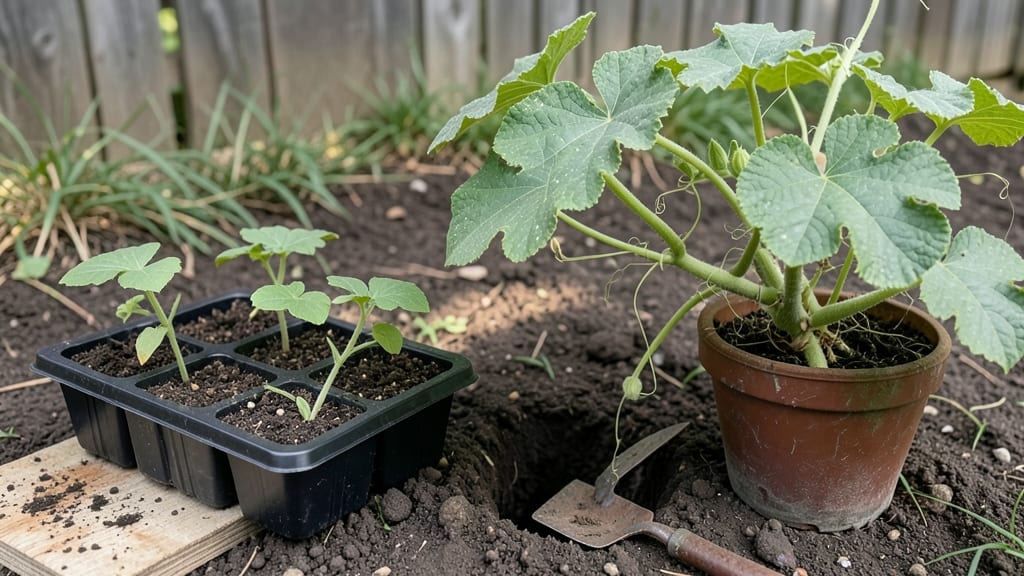
Plant watermelon seeds in Ontario once soil warms to 18°C (64°F) and all frost risk has passed — typically mid-May to early June, depending on your region.
Ontario gardeners know timing is everything — plant too early, and frost will kill tender seedlings; too late, and your vines won’t mature before fall’s chill. Get this right, and you’ll harvest juicy 🍉 watermelons in time for summer picnics.
This guide covers frost-free dates by zone, soil temperature tricks, and the best varieties for Ontario’s short growing season. Whether you’re direct-sowing or using transplants, we’ll help you avoid common mistakes that waste time and money.
You’ll learn how to prep your soil, choose the perfect spot, and extend the season with simple hacks — so you can enjoy homegrown watermelon from July through September.
Ontario’s frost-free dates & ideal planting windows for watermelon seeds
Watermelons are warm-season crops that despise cold soil and frost, so timing your planting in Ontario is critical. The last frost dates vary dramatically across the province—from early May in the Southwest to late May in Eastern Ontario.
Plant too soon, and your seedlings will bolt or die; too late, and your melons won’t mature before frost. Let’s break down the optimal planting windows by region to maximize your harvest.
Ontario spans USDA zones 5a to 6b, meaning growing seasons range from 120 to 160 frost-free days. Watermelons need 75 to 90 days to mature, so you’ll need to plan carefully.
In Southern Ontario (zones 6a-6b), you have a longer window, while Northern Ontario (zones 5a-5b) requires earlier starts or season-extending tactics. I’ll cover both scenarios so you can choose what works for your microclimate.
🚨 summary table 🚨
| Region | Last Frost Date | USDA Zone | Ideal Planting Window | Method | Notes |
|---|---|---|---|---|---|
| Southwest Ontario (e.g., London, Windsor) | Mid-May (around May 10-15) | 6a-6b | May 20 – June 5 | Direct sow or transplant | Longest season; try late varieties like 'Moon & Stars'. |
| Golden Horseshoe (e.g., Toronto, Hamilton) | Late May (around May 20-25) | 6a | June 1 – June 15 | Transplant seedlings (start indoors late April) | Use black plastic mulch to warm soil faster. |
| Eastern Ontario (e.g., Ottawa, Kingston) | Late May (around May 25-30) | 5b | June 10 – June 25 | Transplant only (soil warms slowly) | Choose fast varieties like 'Sugar Baby' (65 days). |
| Northern Ontario (e.g., Sudbury, Thunder Bay) | Early June (around June 5-10) | 5a | June 20 – July 5 (greenhouse starts) | Greenhouse or row covers only | Extreme risk; consider container growing. |
For direct sowing, wait until the soil temperature hits at least 18°C (64°F)—a soil thermometer is your best friend here.
In Southern Ontario, this usually aligns with late May to early June, but in Northern Ontario, you may need to start seeds indoors in late April and transplant after the last frost. I’ve had success using biodegradable pots to avoid disturbing roots during transplanting.
If you’re in zone 5a, like much of Northern Ontario, your growing season is short, so focus on fast-maturing varieties like ‘Crimson Sweet’ (70 days) or ‘Sugar Baby’ (65 days). These can sometimes squeeze in a harvest before frost.
For zones 6a-6b, you have more flexibility—try larger varieties like ‘Charleston Gray’ (80 days) or heirlooms like ‘Moon & Stars’ (90 days) for that classic watermelon experience.
Pro tip: Use black plastic mulch to warm the soil faster and extend your planting window by 1-2 weeks. Lay it down 2-3 weeks before planting to give the soil a head start.
This is especially helpful in Eastern and Northern Ontario, where springs can be chilly. I’ve seen soil temperatures rise by 5-10°C with this trick alone!
Another key factor is hardening off seedlings if you’re transplanting. Start seeds indoors 4-6 weeks before your last frost date, then gradually acclimate them to outdoor conditions over 7-10 days. This reduces shock and gives your watermelons a stronger start.
I always place my seedlings outside during the day for a week before moving them permanently—just watch for frost warnings at night.
Don’t forget that watermelons need space. Plan for 6-10 feet of vine spread per plant, and choose a south-facing location with full sun (8+ hours daily). In tighter spaces, consider trellising smaller varieties like ‘Black Diamond’ (though yields may drop).
I’ve also had luck growing watermelons in large containers (20+ gallons) on patios, especially in urban areas like Toronto.
Finally, keep an eye on your local weather forecasts in late May and early June. A late frost can wipe out young seedlings, so have row covers or cloches ready to protect tender plants.
I once lost a batch of seedlings to a May frost in Ottawa—since then, I’ve made it a rule to wait until June 10 for planting in that region, no matter what the average dates say.
With the right timing and a little preparation, you’ll be slicing
Soil temperature & hardening off: the secret to healthy watermelon starts
Watermelon seeds need warm soil to germinate—18°C (64°F) is the magic number. In Ontario’s cool springs, this delay can push planting dates too late for a full harvest.
I’ve learned the hard way that rushing seeds into cold soil leads to rot or stunted growth, no matter how eager I am for summer fruit.
Even after soil warms, Ontario’s unpredictable nighttime dips below 10°C (50°F) can shock young seedlings. That’s why hardening off—acclimating indoor starts to outdoor conditions—isn’t just helpful; it’s essential. Without it, your watermelon vines may bolt or struggle to establish roots before summer’s short window closes.
⚠️ Cold Soil = Failed Germination
Watermelon seeds won’t sprout below 18°C (64°F). In Ontario, soil may not reach this until late May or early June—especially in USDA zones 5-6. Testing with a soil thermometer (or the "elbow test"—if soil feels cold to your arm, it’s too chilly) saves weeks of frustration.
To speed up soil warming, I cover beds with black plastic mulch 1-2 weeks before planting. This raises temperatures by 5-10°C (9-18°F) and suppresses weeds.
For extra insurance, I use mini hoop tunnels with clear plastic to trap heat during the day and protect seedlings at night—a lifesaver for late May plantings in Southern Ontario.
Hardening off takes 7-10 days and should start when nighttime temps hover near 13°C (55°F). Begin by placing seedlings outdoors in morning sun for 2 hours, then gradually increase exposure.
Watch for wilting or yellowing leaves—these are signs they’re not ready. My trick? Use shade cloth on the first few days to ease them into the transition.
If your seedlings are leggy or weak from indoor life, don’t despair. Bury stems deeper when transplanting—up to the first true leaves—to encourage stronger root growth. Pair this with a balanced fertilizer (10-10-10) at planting time to give them a nutrient boost.
I’ve seen 3x faster recovery in hardened-off plants compared to those rushed outdoors.
For Ontario gardeners in zones 5-6, aim to have hardened-off seedlings ready by mid-May. If you’re starting seeds indoors, begin them 4-6 weeks before your last frost date. Use grow lights if natural light is limited—watermelons need 12+ hours of light daily to thrive.
With the right prep, you’ll beat the clock and enjoy homegrown watermelons before fall’s chill sets in. 🌱