Plants
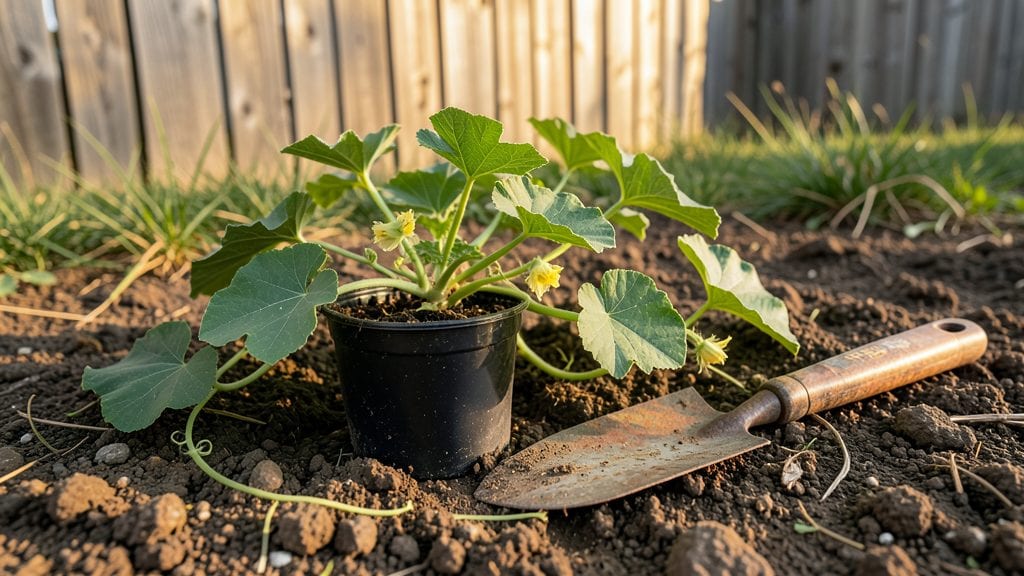
Plant watermelon seeds in California between February and May—but the exact timing depends on whether you’re coastal or inland, where frost risk and heat arrive at different speeds.
Miss the window, and you’ll either lose seedlings to late frosts or watch your vines struggle to ripen fruit before summer’s end. I’ve seen both happen, and the difference between a bountiful harvest and a wasted season often comes down to a few weeks of planning.
California’s 9b-10a zones mean you can grow watermelons year-round in the south, but coastal areas need an earlier start to beat the chill. Here’s how to match your planting to your microclimate for the best results.
You’ll learn the exact soil temperature to wait for, how to stretch your season with row covers, and the one mistake that kills more watermelon plants in California than anything else.
Best months to plant watermelon seeds in California by region
California’s diverse climate means your watermelon planting schedule depends entirely on where you live. In Southern California, mild winters allow early starts, while the Central Valley’s intense heat demands precise timing.
Even coastal areas with cooler microclimates have their own ideal windows. The golden rule? Wait until soil hits 70°F+—cold soil stunts growth, no matter the month.
Why does this matter? Watermelons are heat-loving annuals that need 90-120 frost-free days to mature. Plant too early, and you’ll waste seeds on frost-killed sprouts. Too late, and your vines won’t produce before summer fades.
Let’s break it down by region so you can align your planting with California’s unique growing seasons.
🌱 Pro Tip: Use a soil thermometer to confirm readiness—don’t guess! Most garden centers sell them for under $10, and they’re worth every penny for watermelon success.
Here’s the region-by-region breakdown of when to plant watermelon seeds in California, including soil temp requirements and frost-free windows:
Notice how coastal areas get a later start? That’s because cooler ocean breezes delay soil warming.
Meanwhile, the Central Valley’s intense heat means you’ve got a narrow window—plant too late, and your melons won’t ripen before fall rains arrive. Desert regions are the exception: they can start earlier, but seedlings need protection from scorching sun.
For Southern California gardeners, February–March is prime time. But if you’re in LA County, watch for Santa Ana winds—they can dry out young seedlings faster than you’d expect.
I’ve seen entire trays of watermelon starts crisp up overnight if not mulched properly. Black plastic mulch is your best friend here—it warms soil 10°F faster than bare earth.
In the Central Valley, where summer temps hit 100°F+, timing is critical. Aim for March–April so your vines establish roots before the real heat arrives. Pro tip
How to extend your watermelon growing season in California
California’s diverse climates—from coastal fog to desert heat—offer unique opportunities to grow watermelons year-round, but shorter seasons in some regions demand strategy. By starting seeds indoors or using protective covers, you can push your harvest windows earlier or later.
The key? Fast-maturing varieties (45–60 days) and precise timing to avoid heat stress or frost damage. Let’s break down how to maximize your growing season, no matter where you’re planting in the Golden State.
Watermelons thrive in warm soil (70°F+) and long daylight hours, but California’s microclimates create challenges. Coastal areas like San Francisco may experience late spring frosts while inland deserts like Palm Springs can bake seeds prematurely.
The solution? Adjust planting dates and use season-extending tools like row covers or black plastic mulch to warm the soil faster. With these tactics, you can enjoy homegrown watermelons from May through October, even in cooler regions.
Here’s your step-by-step guide to extending the watermelon season, tailored for California’s varied growing conditions:
- Start seeds indoors 3–4 weeks before last frost (use grow lights for 12–14 hours/day). Ideal for coastal zones (USDA 9b-10a) where frost lingers until March.
- Transplant seedlings outdoors when soil hits 60°F+ and night temps stay above 50°F. For Northern CA, aim for late April–May; for Southern CA, March–April works.
- Use row covers or cold frames to plant 2–3 weeks earlier in spring or extend harvest into fall. Remove covers when flowers appear to allow bee pollination.
- Choose fast-maturing varieties like ‘Sugar Baby’ (58 days) or ‘Crimson Sweet’ (80 days). For short seasons, opt for ‘Black Diamond’ (65 days) or ‘Tiny Tim’ (68 days).
- Apply black plastic mulch 2–3 weeks before planting to raise soil temps by 5–10°F. This accelerates germination and speeds up vine growth.
- For fall harvests, sow seeds August–September in Southern CA or July–August in Central Valley. Use row covers to protect from early autumn frosts.
If you’re in a cooler microclimate like the Sierra foothills, prioritize container growing with heat-loving varieties. Move pots to sunny spots during the day and shelter them at night with frost blankets.
This method lets you start seeds in February and harvest by early June, beating the heat wave.
Don’t overlook soil preparation—amend beds with compost and aged manure to improve drainage, as watermelons hate soggy roots.
Add a 5-10-10 fertilizer at planting to encourage strong vine development, then side-dress with compost when flowers appear. Deep watering (1–2 inches per week) is critical, especially during fruit set, to prevent cracked melons.
With these techniques, you’ll double your harvest potential—enjoy early summer melons and late-season sweetness. Just remember: patience and precision are key. Watermelons need time to vine out and mature, so avoid rushing the process. Happy growing! 🌱