Diseases
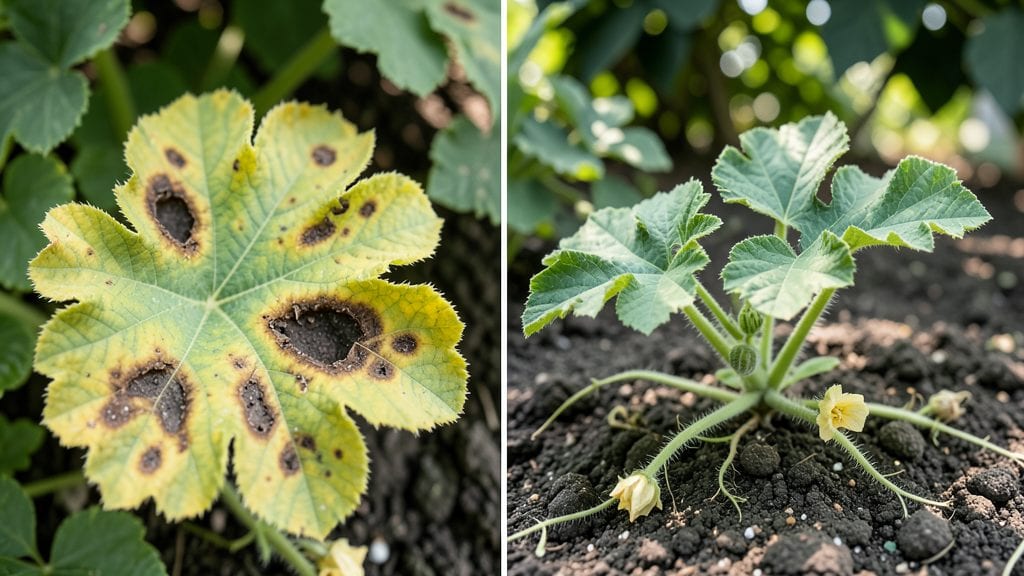
Is your watermelon seedling struggling with diseases before it even sprouts? That heartbreak happens when damping-off, powdery mildew, or fusarium wilt strike—often before you even notice. I’ve lost entire trays to these silent killers, but I’ve also learned how to spot them early and stop them in their tracks.
The key is knowing the warning signs: soft, mushy stems for damping-off, white powdery coatings for mildew, or sudden wilting despite good water. These diseases don’t just weaken plants—they can wipe out your entire crop if you don’t act fast.
The good news? Most of these problems start with simple fixes—better airflow, sterilized soil, and avoiding overwatering. I switched to seed-starting mixes with perlite, thinned seedlings properly, and kept trays in bright but indirect light. Within weeks, my survival rate jumped from 30% to nearly 90%.
The secret isn’t fancy tools—it’s catching the symptoms before they spread. A quick check of the undersides of leaves or the soil line can save your seedlings before they’re gone.
By the time you’re transplanting, your seedlings will stand tall with strong stems and vibrant leaves—no more leggy, weak plants that flop in the ground. You’ll recognize the difference immediately: healthy seedlings handle transplant shock better, take off faster, and resist diseases that would’ve taken down weaker starts.
The payoff? Watermelons that vine out strong, set fruit early, and give you those sweet, juicy slices you planted for in the first place.
This works whether you’re growing in trays, biodegradable pots, or even under grow lights. The same principles apply whether you’re in a greenhouse, basement setup, or sunny porch. Let’s turn those weak starts into powerhouses before disease gets the upper hand.
Root Causes of Seedling Struggles
Watermelon seedlings are delicate powerhouses—packed with potential but vulnerable to unseen threats. When diseases strike, it’s often because the environment, pathogens, or growing conditions create the perfect storm for trouble.
Understanding why these issues arise is the first step to prevention and recovery. Let’s break down the key culprits behind seedling diseases, from microbial invaders to human habits that backfire.
Diseases don’t just appear—they’re invited in by the right (or wrong) conditions. Fungal and bacterial pathogens thrive when seedlings are stressed, and their presence can turn a healthy sprout into a sad, wilting mess.
🍄 Fungal Foes: The Silent Spreaders
Fungi like Fusarium, Pythium, and Phytophthora are common watermelon seedling villains. Here’s how they take hold:
- Moisture Overload: Fungi love dampness. Pythium, for example, spreads rapidly in waterlogged soil, causing damping-off—where seedlings collapse at the soil line. Think of it like a fungal party where everyone’s invited, but the seedlings are the ones getting sick.
- Poor Airflow: Crowded seedlings or dense mulch trap humidity, giving fungi a cozy environment to grow. Fusarium wilt thrives in stagnant air, clogging vascular tissues and starving seedlings of water.
- Contaminated Soil: Old soil, compost, or even reused containers can harbor fungal spores. If last season’s melons had issues, this year’s seedlings might be paying the price.
🦠 Bacteria on the Attack
Bacterial diseases like Erwinia (soft rot) or Pseudomonas (leaf spot) don’t just appear—they’re often introduced through:
- Wounded Seedlings: Pricking, thinning, or even rough handling can create entry points for bacteria. A tiny nick is all it takes for Pseudomonas syringae to slip in and cause leaf spots or stem rot.
- Water Splash: Overhead irrigation or rain can splash bacteria from soil to leaves, spreading diseases like bacterial leaf blight. It’s like a microbial game of telephone—except the message is “You’re infected.”
- Contaminated Tools: Pruners, gloves, or even your hands can transfer bacteria from plant to plant. Sterilizing tools with a 1:10 bleach-water solution (9 parts water, 1 part bleach) is a must.
Seedlings don’t just battle microbes—they’re also at the mercy of their surroundings. Temperature, humidity, and even light play a role in whether diseases take root.
💧 Too Much of a Good Thing: Water Woes
- Overwatering: Soggy soil doesn’t just drown roots—it creates the perfect breeding ground for Pythium and Phytophthora. These fungi thrive in anaerobic (low-oxygen) conditions, suffocating seedlings and causing root rot.
- Poor Drainage: Compacted or clay-heavy soil traps water, turning the root zone into a fungal buffet. A simple soil test can reveal drainage issues before they become a crisis.
- Late Watering: Watering in the evening or after dark leaves leaves damp overnight, extending the window for fungal spores to germinate. Aim for morning watering to let foliage dry quickly.
🌡️ Temperature and Stress: When Heat or Cold Weighs In
- Extreme Heat: High temperatures (above 90°F) weaken seedlings, making them more susceptible to Fusarium wilt. The fungus’s spores become more aggressive when the plant’s defenses are down.
- Cold Snaps: Chilly nights can slow seedling growth, leaving them vulnerable to bacterial soft rot (Erwinia). Cold-stressed plants are like open doors for pathogens.
- Rapid Temperature Shifts: Fluctuations stress seedlings, reducing their ability to fight off infections. A greenhouse or row cover can provide a stable microclimate.
🌿 Nutrient Imbalances: Starving for Success
- Nitrogen Overload: Too much nitrogen promotes lush, weak growth—think of it as giving a toddler too much sugar. Weak stems and leaves are easier targets for fungal infections like downy mildew.
- Deficiency Stress: Lack of key nutrients (like phosphorus or potassium) weakens seedlings, making them more prone to disease. A balanced fertilizer (e.g., 10-10-10) keeps them resilient.
- Soil pH Imbalance: Fungi and bacteria prefer specific pH levels. Pythium, for example, thrives in acidic soil (pH < 6.0), while Fusarium prefers slightly alkaline conditions (pH > 7.0). Test your soil and amend as needed (lime raises pH; sulfur lowers it).
Even the best gardeners can accidentally create conditions that invite disease. Here’s how habits backfire:
🌱 Overcrowding: The Seedling Traffic Jam
- Too Close for Comfort: Seedlings need space to breathe—literally. Crowded plants create a humid microclimate, perfect for powdery mildew or Alternaria leaf spot. Thin seedlings early to improve airflow.
- Mulch Overkill: Thick mulch layers can suffocate roots and trap moisture. Use straw or shredded leaves sparingly (1–2 inches) and keep it away from stems.
🧹 Ignoring Cleanliness: The Pathogen Party
- Reusing Containers: Old pots or trays can harbor fungal spores from previous crops. Sterilize containers with a 10% bleach solution or baking soda soak (1 tbsp baking soda per gallon of water).
- Skipping Rotation: Planting watermelons in the same spot year after year exhausts soil nutrients and leaves behind disease-causing pathogens. Rotate crops with non-cucurbit family plants (like tomatoes or beans) every 3 years.
- Dirty Tools: Pruners, trowels, and hands can transfer diseases from plant to plant. A quick rinse with rubbing alcohol or bleach solution between tasks keeps tools pathogen-free.
🌦️ Weathering the Storm: Poor Timing
- Planting Too Early: Cool soil temperatures slow seedling growth, making them easy targets for damping-off. Wait until soil is at least 70°F (21°C) before sowing.
- Late Season Planting: Stress from heat or drought weakens seedlings, inviting diseases like gummy stem blight. Stagger plantings or use shade cloth to protect young plants.
By addressing these root causes—whether it’s adjusting watering habits, improving airflow, or simply cleaning up—you can dramatically reduce the risk of seedling diseases. Prevention isn’t just about fighting fires; it’s about making sure the match never gets lit in the first place. 🚀
Fixing Seedling Struggles Naturally
When your watermelon seedlings show signs of distress, acting fast with the right solutions can save your crop. Below, we’ve mapped out targeted fixes for each common disease, along with prevention tips to keep your plants thriving.
Think of this as your emergency repair guide—practical, step-by-step, and designed to work even for beginners!
🔥 Powdery Mildew: Scrub and Shield
Fix it:
- Remove infected leaves 🪒 – Snip off any white, powdery patches immediately and dispose of them in a sealed trash bag (not compost).
- Neem oil spray 🌿 – Mix 1 tbsp neem oil + 1 tsp mild soap in 1 quart of water. Spray early in the morning on both leaf surfaces. Reapply every 7–10 days.
- Baking soda solution 🧂 – Stir 1 tsp baking soda + 1 tbsp oil + 1 quart water. Spray weekly to raise leaf pH and deter spores.
- Improve airflow 🌬️ – Space seedlings 12–18 inches apart and prune nearby plants to reduce humidity.
Prevent it:
- 💡 Pro Tip: Water at the base (not overhead) and avoid late-day watering to keep leaves dry.
- Choose disease-resistant varieties like ‘Sugar Baby’ or ‘Crimson Sweet.’
🍅 Downy Mildew: Dry Out and Disinfect
Fix it:
- Copper fungicide 🛡️ – Use a 1% copper-based spray (like Bordeaux mixture) every 10 days. It’s harsh but effective against fungal spores.
- Hydrogen peroxide rinse 🧪 – Mix 1 tbsp 3% H2O2 in 1 gallon of water. Spray leaves to kill surface spores (reapply every 3 days).
- Solarize soil ☀️ – If downy mildew persists, cover infected soil with clear plastic for 4–6 weeks to bake out spores.
Prevent it:
- ✨ Quick Fix: Mulch with straw to keep soil moist but prevent leaf wetness.
- Rotate crops—don’t plant watermelons in the same spot yearly.
🍅 Damping-Off: Sterilize and Space Out
Fix it:
- Pull and replant 🌱 – Remove infected seedlings and discard them. Plant new seeds in fresh, sterilized soil (bake soil at 180°F for 30 mins or use hydrogen peroxide).
- Chlorine water dip 💦 – Soak seeds in a 1:10 chlorine-to-water solution for 10 minutes before planting to kill surface fungi.
- Sand or vermiculite top layer 🏖️ – Add a ½-inch layer of coarse sand or vermiculite to seed trays to improve drainage.
Prevent it:
- 🎯 Key Move: Water seedlings from below using a tray or drip system—never overhead.
- Use seedling heat mats (70–75°F) to encourage faster, healthier growth.
🍓 Bacterial Leaf Spot: Copper + Isolation
Fix it:
- Copper fungicide spray 🛡️ – Apply every 5–7 days until new growth appears. Avoid spraying when flowers are open.
- Remove all infected foliage 🗑️ – Burn or bag leaves with spots to prevent bacterial spread.
- Disinfect tools 🧼 – Wipe pruners with rubbing alcohol between cuts.
Prevent it:
- 🌡️ Heat Hack: Use row covers to reduce humidity and bacterial splashing during rain.
- Avoid overhead irrigation—use drip lines instead.
🍅 Bacterial Fruit Blotch: Cull and Rotate
Fix it:
- Destroy infected fruit 🚫 – Remove blotchy fruit immediately and sterilize hands/tools with bleach water (1:10 ratio).
- Bactericide spray 💊 – Use a copper-based bactericide (like Copper Sulfate) every 2 weeks.
- Solarize soil ☀️ – If the disease persists, solarize the bed for 6 weeks to kill bacteria in the soil.
Prevent it:
- 💡 Smart Swap: Plant watermelons in a different location every 3 years.
- Choose resistant varieties like ‘Black Diamond.’
- 🔥 Boost immunity: Feed seedlings with a weak compost tea (1:10 ratio) every 2 weeks for natural resistance.
- ⏰ Timing matters: Treat diseases at the first sign—waiting lets them spread.
- 🌡️ Monitor humidity: Use a hygrometer to keep seedling areas between 40–60% humidity.
Remember: Prevention is your best tool—healthy seedlings start with clean soil, good airflow, and smart watering. If all else fails, don’t hesitate to replant! Your next batch can be disease-free with these tweaks. 🚜🌱
Frequently asked questions about watermelon seedling diseases
Why do my watermelon seedlings suddenly collapse at the soil line?
This is classic damping-off, caused by Pythium or Rhizoctonia fungi thriving in overly wet, poorly drained soil. The fungus attacks the stem base, making it mushy and causing seedlings to topple like dominoes. To fix it, improve drainage by adding perlite or coarse sand to your mix, and water only at the base using a tray system. Sterilize trays between uses with a 1:10 bleach-water solution to kill lingering spores.
How can I tell if white powder on my seedlings is harmless dust or powdery mildew?
Powdery mildew is a fungal infection that starts as white, powdery spots on leaves (especially undersides) and spreads rapidly in humid conditions. Unlike dust, it won’t wipe off easily and often appears in circular patches. Act fast by spraying a baking soda solution (1 tsp baking soda + 1 tbsp oil + 1 quart water) weekly, and improve airflow by spacing seedlings 12-18 inches apart. Thin crowded plants immediately to prevent spread.
Can I reuse last year’s soil or containers for watermelon seedlings without sterilizing?
Never reuse containers or soil without sterilizing first—old soil can harbor Fusarium, Pythium, or bacterial pathogens that will attack new seedlings. Sterilize soil by baking it at 180°F for 30 minutes or soaking containers in a 10% bleach solution for 10 minutes. For a quick fix, mix fresh potting soil with 1 part perlite to 3 parts soil to improve drainage and reduce disease risk.
What’s the best way to prevent bacterial diseases like leaf spot in watermelon seedlings?
Bacterial infections thrive in wet conditions, so avoid overhead watering—use drip irrigation or water at the base in the morning. Sterilize pruners between cuts with rubbing alcohol, and remove infected leaves immediately. For prevention, apply a copper fungicide spray every 2 weeks during humid periods, and choose disease-resistant varieties like ‘Sugar Baby’ or ‘Crimson Sweet’. Rotate planting locations every 3 years to break the bacterial cycle.
My seedlings look healthy but grow slowly—could this be a disease?
Slow growth isn’t always a disease—it could signal nutrient deficiencies, cool soil temperatures, or overcrowding. Check for yellowing leaves (nitrogen deficiency) or purple stems (phosphorus deficiency). If soil temps are below 70°F, use a seedling heat mat. Thin seedlings to 12 inches apart and ensure they get 6-8 hours of sunlight daily. If no improvement, test for Fusarium wilt (wilting despite moist soil) or root rot (mushy roots).