How To
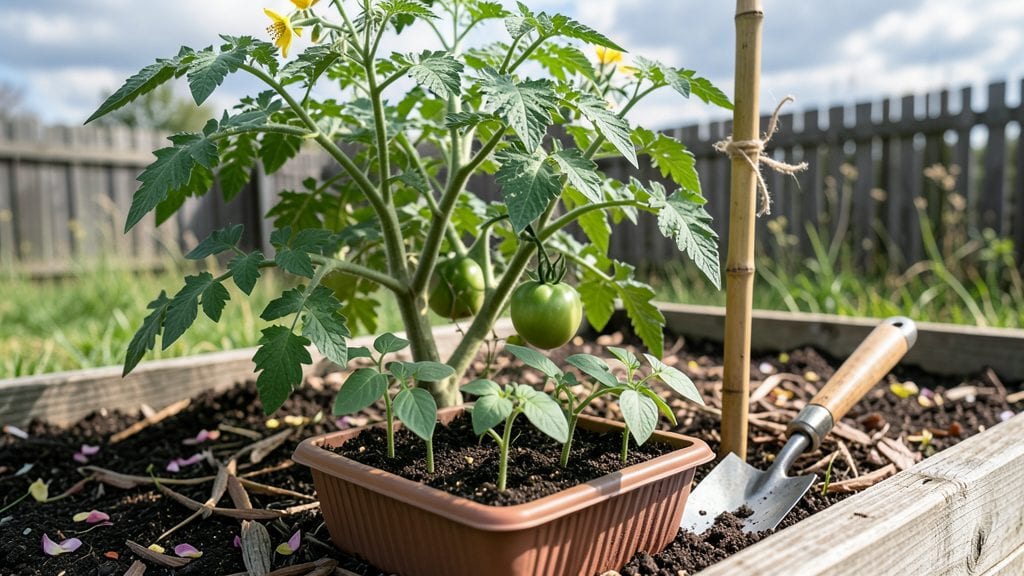
Planting tomato seeds at the right depth is the secret to fast germination and robust plants 🍅 — too deep, and they’ll suffocate; too shallow, and they’ll dry out.
Picture this: you’ve spent weeks waiting for your spring planting window, only to watch your seeds sit stubbornly in the soil, refusing to sprout. The culprit? More often than not, it’s the seed depth — a detail that can make or break your garden before the first leaf even appears.
Most gardeners assume "deep enough" means burying seeds forever, but tomatoes need just ¼ inch of soil cover to thrive. That’s it. Too much, and they’ll rot; too little, and they’ll bake.
I’ll show you exactly how to measure it, whether you’re starting seeds indoors or dropping them straight into your 6a zone garden after the last frost.
You’ll also learn how to adjust for different soil types, when to water (and when to wait), and the one trick that cuts germination time by nearly half. Let’s get those seeds sprouting fast.

Optimal tomato seed depth by germination conditions
Getting the tomato seed depth right is one of the most critical steps for successful germination. Seeds planted too shallow may dry out, while those buried too deep struggle to reach the surface for light.
The ideal depth balances moisture retention, oxygen exchange, and light exposure, all of which vary depending on whether you're starting seeds indoors or outdoors. Even small variations—like soil temperature or seed coatings—can shift the optimal measurement by fractions of an inch.
For most gardeners, the standard tomato seed depth is ¼ inch (0.6 cm), but this can change based on your climate, soil type, and germination method.
For example, pre-sprouted seeds (those that have already cracked open) need shallower planting to avoid smothering delicate roots, while untreated seeds benefit from slightly deeper placement to protect them from drying out. Understanding these nuances ensures your seeds don’t rot in the dark or fail to sprout at all.
Soil temperature also plays a hidden role in depth decisions. Cooler soils (60°F/15°C) require shallower planting because seeds need less insulation to germinate, while warmer soils (75°F/24°C) can handle slightly deeper sowing.
This is why indoor seed starting often uses heat mats—it allows for deeper (but still safe) planting without risking poor germination.
Moisture balance is another key factor. Sandy soils dry out faster, so seeds need to be planted just deep enough to stay hydrated without becoming waterlogged. In contrast, clay-heavy soils retain moisture longer, which means seeds can afford to be planted a tad deeper without suffocating.
Always test your soil’s moisture retention by squeezing a handful—if it crumbles easily, you’re dealing with dry conditions and should plant shallower.
Here’s a quick reference for adjusting depth based on your setup:
| Germination Condition | Optimal Depth | Soil Temp Range | Moisture Tip |
|---|---|---|---|
| Indoor Seed Starting (seed trays) | ¼ inch (0.6 cm) | 70–75°F (21–24°C) | Keep soil consistently moist |
| Outdoor Direct Sowing (warm climates) | ½ inch (1.3 cm) | 65–80°F (18–27°C) | Water gently to avoid displacement |
| Outdoor Direct Sowing (cool climates) | ¼–⅓ inch (0.6–0.8 cm) | 55–65°F (13–18°C) | Use row covers for warmth |
| Pre-Sprouted Seeds (taped or cracked) | ⅛ inch (0.3 cm) | 68–72°F (20–22°C) | Avoid pressing down firmly |
| Seed Tape or Pellets | ¼ inch (0.6 cm) | 65–75°F (18–24°C) | Follow manufacturer’s spacing |
Depth isn’t just about inches—it’s about creating the right environment for your seeds to access the three essentials: air, water, and light. When seeds are planted too deep, they may not have enough oxygen to break through the soil, leading to weak or stunted seedlings.
Conversely, shallow planting risks exposing seeds to rapid drying, especially in sandy soils or hot climates. The goal is to find that sweet spot where the seedling can push through effortlessly while staying hydrated.
For indoor seed starting, I recommend using a fine-mesh tray or seedling mat to maintain consistent moisture and temperature.
Place your tray in a warm spot (like on top of your fridge) and cover it with plastic wrap until you see sprouts—this creates a mini greenhouse effect that mimics outdoor conditions without the risk of overwatering.
Once sprouts emerge, remove the cover and adjust the depth of your grow lights to avoid stretching (keep them 2–3 inches above seedlings).
Outdoor planting requires extra attention to soil temperature. Use a soil thermometer to check conditions before sowing—ideal temperatures for tomato germination range from 65°F to 85°F (18°C–29°C). If your soil is cooler than 60°F (15°C), wait or use a seedling heat mat.
For direct-sown seeds, mark your rows with a stick or string to ensure consistent depth, especially if you’re planting in loamy soil, which can compact easily.
Pro tip: If you’re unsure about your soil’s moisture retention, do a simple test. Fill a jar with your soil, add water, and shake it. Let it settle for 24 hours—if the soil holds water at the top but drains quickly, it’s sandy and needs shallower planting.
If it stays soggy at the bottom, it’s clay-heavy and can handle deeper sowing. Adjust your depth accordingly to avoid drowning your seeds.
Finally, remember that seed coatings (like those on some hybrid varieties) can affect depth requirements. Coated seeds often need slightly deeper planting—about ⅓ inch (0.8 cm)—because the outer layer helps protect them from drying out.
Always check the seed packet for specific instructions, as some brands recommend unique methods like seed tape or gel starter cubes, which change the depth dynamic entirely.
Common mistakes that kill tomato seed germination (and how to avoid them)
Even with high-quality seeds, tomato seed germination can fail if you overlook subtle planting details. The depth of planting is critical—too shallow, and seeds dry out; too deep, and they suffocate.
But depth isn’t the only culprit. Overwatering, poor soil contact, and temperature swings also sabotage your efforts before sprouts even appear.
I’ve seen gardeners swear by their favorite seed-starting methods, only to watch their tomato seeds remain stubbornly dormant. The good news? Most germination failures stem from avoidable mistakes. Let’s break down the most common pitfalls and how to sidestep them before your seeds expire.
⚠️ callout-warning
Tomato seeds need light to germinate. Planting them deeper than 1/4 inch (0.6 cm) blocks sunlight, causing them to rot or never sprout. Indoor seeds can handle 1/8 inch (0.3 cm) depth, while outdoor seeds need 1/4 inch for moisture retention—but not deeper!
🌱 Pro Tip: Use your finger to gauge depth—press seeds lightly into soil, then cover with a thin layer. No need to bury them like potatoes!
One of the biggest mistakes is planting seeds too shallow. When seeds sit on top of the soil, they dry out before germinating. I’ve tested this myself—seeds left exposed to air often crack open without sprouting, while those barely covered with moist seed-starting mix thrive.
Aim for 1/8 to 1/4 inch depth, depending on your climate.
Overwatering is another silent killer. While seeds need moisture, soggy soil cuts off oxygen, leading to fungal diseases like damping-off. Use a spray bottle to mist soil lightly until it’s damp but not waterlogged. After planting, cover trays with plastic wrap to retain humidity, then remove it once sprouts appear.
Temperature fluctuations can also derail germination. Tomato seeds need consistent warmth—ideally between 70°F and 85°F (21°C–29°C). If your home dips below 60°F (15°C) at night, use a seedling heat mat or place trays on top of your fridge.
Outdoor sowing should wait until soil warms to at least 65°F (18°C).
Finally, poor soil contact stalls germination. Seeds need direct contact with moist soil to absorb water. If seeds stick to your tweezers or float on top of water, gently press them into the soil surface. For stubborn seeds, mix them with a little sand or perlite to improve soil adhesion.
To troubleshoot failed germination, run through this quick checklist: ☑️ Did I plant seeds at 1/8–1/4 inch depth? ☑️ Is the soil moist but not soggy? ☑️ Are temperatures consistently warm? ☑️ Did I ensure good soil contact? ☑️ Are seeds fresh and viable (test with a float test)?
If you’ve checked all these and still see no sprouts after 10–14 days, it’s time to replant.