Lawn
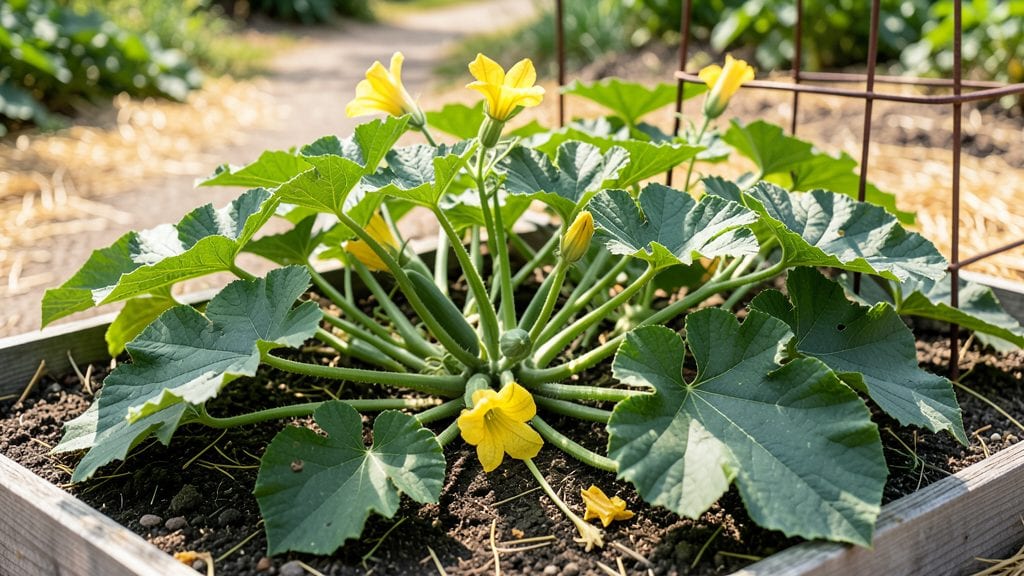
Mastering squash seed identification before planting can spare you a garden full of vines and no harvest—trust me, I’ve learned the hard way. The shape alone tells you whether you’ll grow zucchini or butternut, bush types or sprawlers, and how much space to leave between plants.
Most seed packets show images, but if you’re working from saved seeds or online listings, focus on three key traits: seed shape (round vs. flat), color (white, tan, or speckled), and size (pea-sized or larger).
Round seeds usually belong to winter squash like pumpkins, while flat, oval seeds are summer squash like zucchini or pattypan. Color can hint at variety—white often means heirloom, while hybrids might have uniform tan hues.
Why does this matter? Round-seed squash need more room to sprawl, while flat-seed types stay compact. Planting the wrong variety too close together means fewer fruits and more competition. A quick visual check now means bigger harvests later—no more guessing games when your vines start climbing.
For tricky cases, cross-reference with seed databases or the original packet details. Once you’ve got it down, you’ll spot the differences in seconds. Next up: how to use this knowledge to plan your squash patch for maximum yield.
📚 In This Guide
- What you need
- Instructions
- Tips and common mistakes
- Wrapping up and next steps
What you need
- ● Fresh or dried squash seeds: Collect seeds from different squash varieties (e.g., acorn, butternut, zucchini, or pumpkin) for comparison.
- ● Magnifying glass or handheld loupe: A 10x magnification tool works best for examining fine details.
- ● Measuring ruler or caliper: For precise measurements (seeds typically range from 0.25–0.75 inches in length).
- ● White or light-colored background: A plain tray, sheet of paper, or digital scanner to enhance visibility.
- ● Notebook or digital device: To record observations, sketch differences, or snap reference photos.
- ● Soft-bristle paintbrush or tweezers: For gently handling seeds without damage.
- ● Seed identification guidebook: A reference like "The Seed Savers Exchange Yearbook" for cross-checking.
- ● Digital scale: To weigh seeds (helpful for density comparisons).
- ● UV flashlight: Some seeds fluoresce under UV light, revealing hidden patterns!
- ● Labeling supplies: Sticky notes or markers to tag seed varieties during testing.
- ● Seed germination kit: If you want to verify ID by growing a few samples.
How to tell flat squash seeds apart from round varieties
Mastering this quick visual trick saves you from planting the wrong type—and wasted garden space.
Examine the Seed Shape from Multiple Angles
Hold a seed between your thumb and forefinger, then rotate it under bright light. Flat seeds—like those from summer squash varieties such as zucchini or pattypan—will reveal a broad, pancake-like profile when viewed edge-on. Round seeds, common in winter squash like butternut or acorn, maintain a consistent circular shape from any angle. I always check at least three seeds from each packet to confirm consistency, since some heirloom varieties can be deceptively similar.
The key difference lies in how they catch light: flat seeds will show a distinct shadow line along their edge, while round seeds appear uniformly illuminated. If you're still unsure, place the seeds on a flat surface and observe their contact points—flat seeds will touch the surface along their entire width, while round seeds only make a small circular imprint.
Check the Seed Coating Texture
Run your fingernail gently across the seed surface. Flat squash seeds typically have a smoother, slightly waxy coating that feels almost polished. Round winter squash seeds often exhibit a more textured, slightly ridged surface—almost like a tiny golf ball under magnification. This texture difference comes from how each type develops inside the fruit: flat seeds grow pressed against the squash wall, while round seeds form in the center cavity.
Pay special attention to the seed's edges if it appears flat. Summer squash seeds will have clean, straight edges when viewed from above, while winter squash seeds often show subtle curvature even when they look flat at first glance. I keep a small magnifying glass handy for tricky varieties—it reveals surface details that change everything.
Compare Seed Size and Weight
Weigh a small sample of seeds from each type using a kitchen scale or balance them in your hand. Flat summer squash seeds are noticeably lighter and thinner—often measuring about 1/4 inch in diameter and feeling almost hollow when tapped. Round winter squash seeds are denser, typically 1/3 to 1/2 inch across, and have more substantial heft. This weight difference affects planting depth: flat seeds need only 1/2 inch of soil coverage, while round seeds should go 1 inch deep.
For precise comparison, place 10 seeds from each type on a flat surface. The flat seeds will cover more area due to their elongated shape, while round seeds will form tighter clusters. I've found this spatial arrangement test particularly helpful when distinguishing between similar-looking heirloom varieties that don't fit neatly into summer/winter categories.
Verify with Seed Packet Information
Cross-reference your visual findings with the seed packet's variety description. Most commercial packets clearly label seeds as "summer" or "winter" types, though some specialty varieties may use terms like "bush" or "vining" instead. I always check the packet's recommended planting depth—flat seeds for summer squash typically need shallower planting, while round winter squash seeds require deeper placement. This final verification step catches any misidentifications from the previous visual checks.
Pay attention to the packet's germination time estimates as well. Flat summer squash seeds often germinate in 5-10 days, while round winter squash seeds may take 10-14 days. If your seeds don't match these expectations, you may have the wrong type. Keep a small notebook by your seed collection to record these details for future reference—it builds an invaluable visual library over time.
Tips & tricks for perfect squash seed identification
Here's how to avoid those frustrating seed mix-ups that could ruin your garden plans.
Lighting Matters: Natural daylight is your best friend for this task. I've found that positioning seeds near a south-facing window during midday provides the most accurate visual contrast. Artificial light can distort shadows and make it harder to spot the subtle differences between flat and round seeds. If you're working indoors, use a bright LED desk lamp with a daylight spectrum bulb—it mimics natural light better than standard bulbs.
Texture Test Technique: When checking seed coating texture in Step 2, don't just run your fingernail once. I recommend testing three different spots on each seed and comparing the feel between your thumb and index finger. The waxy coating on flat seeds should feel almost slippery, while round seeds will have noticeable resistance. This tactile comparison builds muscle memory that makes future identifications faster and more reliable.
Size Comparison Shortcut: For the spatial arrangement test in Step 3, use a standard US quarter as your reference. Flat summer squash seeds will be roughly the same diameter as a quarter's center hole (about 1/4 inch), while round winter squash seeds will be closer to the quarter's full diameter (1/3 to 1/2 inch). This coin comparison gives you an instant visual reference when you're in doubt.
Documentation Tip: Create a simple chart with columns for seed type, shape, texture, size, and germination time. After each identification session, add your findings to this chart. Over time, you'll build a reference library that helps you spot patterns in tricky varieties. I keep mine in a small notebook by my seed collection, and it's become my go-to resource when I encounter unfamiliar seeds.
Pro Tips for Squash Seed Identification
- Here's how to avoid those frustrating seed mix-ups that could ruin your garden plans.
- Lighting Matters: Natural daylight is your best friend for this task.
- Texture Test Technique: When checking seed coating texture in Step 2, don't just run your fingernail once.
Frequently asked questions
Got questions about squash seed identification? You’re not alone! Here are answers to the most common queries to help you navigate flat vs. round seeds like a pro.
How can I tell the difference between flat and round squash seeds at a glance?
Flat seeds (like those from summer squash or zucchini) are oblong or disk-shaped, often with a slight ridge or flat side. Round seeds (common in winter squash like butternut or acorn) are spherical or oval, with a smoother, more symmetrical shape. Hold them up to light—flat seeds may cast a shadow with a noticeable edge!
When is the best time to harvest squash seeds for identification?
Harvest seeds when the squash is fully mature but just before it overripen—usually 3–5 days after flowering for summer squash or when the rind hardens for winter varieties. Overripe squash releases seeds too easily, while underripe seeds won’t germinate well. Aim for dry, hard seeds that pop when squeezed gently.
Can I use squash seeds from store-bought squash for planting?
Yes, but with caution! Store-bought seeds may be treated or hybridized to prevent germination. Try the “float test”: Drop seeds in water—if they sink, they’re viable! For best results, save seeds from heirloom or organic squash grown without pesticides. Pro tip: Label seeds by variety to avoid mix-ups!
What should I do if my squash seeds are moldy or smell bad?
Moldy or funky-smelling seeds are a red flag! Discard them immediately—they won’t germinate and may harbor harmful bacteria. To prevent this, ferment seeds in water for 3–5 days before drying them on a screen (out of direct sun). Ensure your squash is dry and fully cured before scooping out seeds.
How do I store squash seeds long-term for future identification?
Store seeds in a cool, dry place (like a sealed jar in the fridge or freezer) with a desiccant packet to absorb moisture. Label each container with the variety, date, and seed type (flat/round). Most seeds stay viable for 2–5 years if stored properly—check germination rates annually by planting a few seeds!
Wrapping up and next steps
Mastering squash seed identification between flat and round types is a game-changer for gardeners! Whether you're saving seeds or planning your next harvest, recognizing these subtle differences ensures you’re growing the right varieties. Start by bookmarking this guide—then grab a magnifying glass and explore your garden with confidence! 🌱
Ready to take it further? Try germinating a few seeds to see their growth patterns firsthand—it’s the best way to solidify your skills! Happy gardening! 🌿