Planting
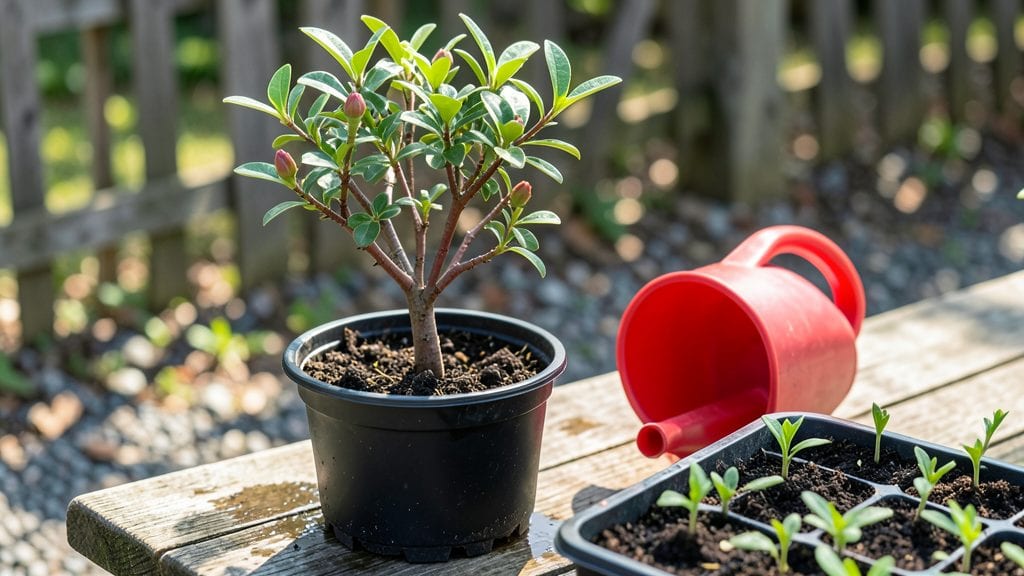
Growing a pomegranate seedling plant from scratch means year-round blooms that outshine anything you’d buy at a nursery. 🌿 I’ve watched my own seedlings transform from scraggly stems into trees covered in fiery red flowers—all with just a little patience and the right care.
The key difference between starting from seed and seedlings? You skip the unpredictable germination phase and get a head start with a sturdy, established plant ready to thrive.
You’ll need well-draining soil, a sunny spot with at least 6-8 hours of light daily, and a pot or garden bed that won’t waterlog the roots. Pomegranates are tougher than they look—they handle drought once established and even tolerate poor soil if it drains well.
The real secret? Pruning in late winter to shape the tree and encourage those bold, trumpet-shaped blooms that last from spring through fall.
By summer, you’ll be harvesting fruit—or at least admiring the vibrant green leaves and clusters of flowers that attract hummingbirds.
The first year is all about getting the plant rooted, but with consistent watering (about 1 inch per week) and minimal fuss, you’ll have a low-maintenance tree that keeps giving. No wonder neighbors ask where you got yours!
This method works whether you’re in a warm climate like Zone 8 or cooler areas with a microclimate—just adjust watering and protect young plants from frost.
The payoff? A tree that lives for decades, produces fruit, and stays stunning even when it’s not bearing fruit. Let’s get your seedling planted right.
📚 In This Guide
- What you need
- Instructions
- Tips and common mistakes
- Wrapping up and next steps
What you need
- ● Pomegranate seeds: 5–10 fresh, plump seeds (harvested from organic, disease-free fruit).
- ● Seed-starting mix: 2–3 cups of sterile, well-draining potting soil (look for a blend labeled for seedlings or cacti/succulents).
- ● Small pots or seed trays: 2–4 biodegradable pots (3–4 inches deep) or a seed tray with cell inserts.
- ○ Grow lights or sunny windowsill: A full-spectrum LED grow light (optional but helpful for indoor setups) or a south-facing window with 6+ hours of sunlight daily.
- ● Spray bottle: For gentle watering (avoid over-saturating seeds!).
- ● Plastic wrap or humidity dome: To create a mini greenhouse effect while seeds germinate.
- ○ Heat mat: (Optional) Keeps soil warm (70–85°F) to speed up germination.
- ● Fertilizer: A balanced, water-soluble fertilizer (5-10-5 ratio) for young seedlings.
- ● Trowel or spoon: For gently transplanting seedlings later.
- ● Mulch or pebbles: To retain moisture in pots.
- ● pH test kit: Ensures soil pH is between 6.0–7.0 (pomegranates prefer slightly acidic to neutral soil).
How to grow pomegranate seedlings into thriving plants
Here's the straightforward method I've used to grow healthy, flowering pomegranate plants from seed—no fancy techniques required.
🌱 Step 1: Prepare Seeds and Containers for Germination
Start with fresh pomegranate seeds—never dried out ones from the grocery store. Remove them from the fruit, rinse off any remaining pulp, and let them air-dry for 24 hours on a paper towel. This prevents mold during germination.
Use the 4-inch pots from your materials list. Fill each pot halfway with the potting mix, leaving space for the seed. Press the soil down gently—just enough to create a firm surface, but don't compact it. This ensures good root contact once the seed starts growing.
💧 Step 2: Plant Seeds and Maintain Moisture
Plant 2-3 seeds per pot, about ½ inch deep. Space them evenly—you'll thin them later. Cover the seeds lightly with more potting mix, then water gently until the soil feels evenly moist. You want it damp but not soggy; excess water can rot the seeds before they sprout.
Place the pots in a warm spot with indirect light—a sunny windowsill works, but avoid direct midday sun. Keep the soil consistently moist by misting lightly every 2-3 days. You'll see tiny sprouts in 2-4 weeks. This is the moment that matters: don't let the soil dry out completely.
☀️ Step 3: Provide Light and Thin Seedlings
Once the seedlings have 2-3 true leaves (not just the first tiny cotyledons), it's time to thin them. Use small scissors to snip the weakest seedling at soil level, leaving the strongest one in each pot. This prevents overcrowding and gives your plant room to grow.
Move the pots to a location with full sun (6+ hours daily). If you're growing indoors, place them near a south-facing window or under a grow light. You'll notice the leaves darken and the stems thicken as they adjust to more light. Water when the top inch of soil feels dry—usually once a week.
🪴 Step 4: Transplant to Larger Pots and Prune
When your seedlings reach 6-8 inches tall, it's time to upgrade them to the 1-gallon pots. Gently remove the seedling from its small pot, loosen the roots, and place it in the center of the new pot. Fill around it with more potting mix, pressing lightly to secure it.
Prune any leggy growth or weak stems with clean scissors. This encourages bushier growth and stronger branches. Water thoroughly after transplanting, then reduce watering slightly until new growth appears. You'll see fresh leaves emerge within 2-3 weeks—this is your sign the plant is settling in.
⏰ Step 5: Winter Care and Long-Term Growth
Pomegranates are surprisingly cold-hardy once established, but young seedlings need protection. If temperatures drop below 20°F, move them indoors near a sunny window or use a frost cloth to cover them. Reduce watering in winter—only water when the soil is completely dry.
Fertilize lightly every 4-6 weeks during the growing season with the balanced fertilizer. You'll start seeing buds form in late spring—this is when your plant begins its journey to flowering. Keep an eye out for pests like aphids, and spray with neem oil if needed. With patience, your seedling will reward you with stunning blooms in just a few years.
Tips & tricks for growing pomegranate seedlings
Here's what I've learned from growing dozens of pomegranate seedlings—these small details make all the difference between struggling plants and thriving ones.
The 24-Hour Drying Secret: I learned this the hard way after watching seeds mold in damp paper towels. The 24-hour drying period isn't just about preventing mold—it also helps the seed coat toughen slightly, which actually improves germination rates. Place your seeds on a single layer of paper towel in a warm spot (around 70°F) for best results.
Light Balance Strategy: In Step 2, when you're keeping seeds in indirect light, I recommend placing them on the windowsill closest to your kitchen or bathroom. These rooms tend to have slightly more consistent temperatures and humidity than other spots in the house. Once you move to full sun in Step 3, watch for leaves that look pale or yellow—this means your plant needs more light, not more water.
Thinning Technique: When thinning seedlings in Step 3, don't just grab and pull. Use your scissors to cut at soil level, then gently tug to remove the entire seedling. This prevents disturbing the roots of your remaining plant. I also recommend thinning on a cloudy day—the plants handle the stress better than when they're basking in full sun.
Winter Protection Hack: For the 20°F temperature threshold mentioned in Step 5, I've found that moving pots to an unheated garage or shed with a south-facing window works perfectly. The temperature stays above freezing while still getting plenty of light. Just bring them indoors if you expect a hard freeze (below 15°F). This gives your seedlings more natural light exposure than a typical indoor windowsill.
Pro Tips for Pomegranate Seedling Plant
- Here's what I've learned from growing dozens of pomegranate seedlings—these small details make all the difference between struggling plants and thriving ones.
- The 24-Hour Drying Secret: I learned this the hard way after watching seeds mold in damp paper towels.
- Light Balance Strategy: In Step 2, when you're keeping seeds in indirect light, I recommend placing them on the windowsill closest to your kitchen or bathroom.
Frequently asked questions
Got questions about growing pomegranate seedlings? You’re not alone!
Here are answers to the most common concerns—from timing to troubleshooting—to help you nurture a thriving pomegranate plant with confidence.
How long does it take for a pomegranate seedling to bear fruit?
A pomegranate seedling grown from seed can take 5–7 years to produce fruit, while grafted seedlings may bear fruit in 3–5 years. Patience is key—focus on healthy growth first! For faster results, consider buying a grafted sapling from a nursery.
When is the best time to plant pomegranate seedlings?
The ideal time to plant pomegranate seedlings is in early spring (after the last frost) or late fall (before the first frost). Seedlings thrive in warm climates (USDA Zones 7–11) and need well-draining soil. Avoid planting in summer heat or winter freezes.
How much water do pomegranate seedlings need?
Keep soil consistently moist but not soggy, especially during the first year. Water deeply 2–3 times per week in hot climates, reducing to once a week once established. Overwatering can cause root rot—always check soil moisture before watering!
What pests or diseases should I watch for in pomegranate seedlings?
Common issues include aphids, spider mites, and whiteflies (use neem oil or insecticidal soap). Fungal diseases like powdery mildew thrive in humid conditions—improve airflow and avoid overhead watering. Prune affected leaves promptly to prevent spread.
Can I grow a pomegranate seedling indoors?
Pomegranates prefer outdoor growing due to their need for sunlight (6+ hours daily) and space. However, you can start seedlings indoors in bright, sunny windowsills or under grow lights, then transplant outdoors once warm. Dwarf varieties may adapt better to containers.
Wrapping up and next steps
Growing pomegranate seedlings is a rewarding journey that brings vibrant blooms and delicious fruit with surprisingly little effort! 🌱 With the right soil, sunlight, and care, you’ll enjoy year-round beauty and a bountiful harvest. Whether you’re a beginner or a seasoned gardener, these tips make it simple and fun.
Now that you’re equipped with the know-how, take the next step—plant your seedlings today! Start small, experiment with varieties, and watch your garden thrive. Happy planting! 🌟