Plants
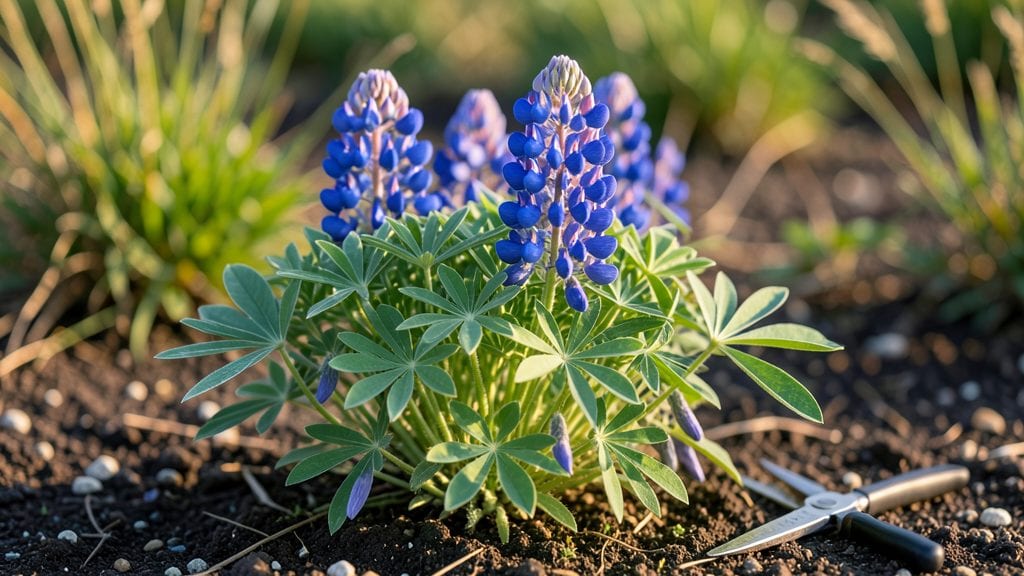
Growing plants with pink seed pods transforms your garden into a living postcard—soft blushes of color that last from spring through frost. 🌸 I’ve grown sweet peas, annual climbers, and ornamental varieties that produce these delicate pods, and the secret isn’t complicated: it’s all about the right light, consistent water, and a little patience.
These pods aren’t just pretty; they’re functional too—whether you’re saving seeds, drying them for crafts, or admiring their whimsical shape against green foliage.
The best performers thrive in full sun to partial shade, with well-draining soil that stays evenly moist but never soggy.
Sweet peas, for example, reward you with 6-foot vines covered in fragrant blooms that turn into those iconic pink pods, while ornamental varieties like Lathyrus odoratus offer bold color without the climbing commitment.
A 5-gallon pot or trellis setup works for most, and you’ll see pods forming within 8-10 weeks of planting.
Harvesting is where the magic happens—snip pods when they’re dry but before they split open, and you’ve got seeds for next year’s garden. String them up to dry, and you’ll have a rustic decor piece and a head start on spring.
Even if you’re not saving seeds, the pods add texture to winter arrangements, proving that what starts as a bloom can become a year-round treasure.
Troubleshooting? Too much shade? Move the pot. Pods cracking too soon? Thin out flowers. The key is consistency—these plants don’t demand perfection, just steady care.
And once you’ve got a few vines producing pods, you’ll understand why gardeners obsess over them: they’re the plant world’s way of saying, “Look what we made together.”
Understanding Seed Pod Colors
Pink seed pods aren’t just a quirky plant quirk—they’re a direct response to your plant’s environment, genetics, or even a subtle sign of stress. Let’s break down the science behind why your seed pods might be turning pink, so you can troubleshoot with confidence.
Some plants are born with pink seed pods—it’s in their DNA! Certain varieties of mallow (Malvaceae family), okra (Abelmoschus esculentus), or even hibiscus (Hibiscus rosa-sinensis) naturally produce pink-tinged seed pods as part of their maturation process.
- Why it happens: Pigments like anthocyanins (the same compounds that make blueberries blue or red cabbage red) develop in the pod walls as sugars and nutrients shift during seed development.
- Actionable tip: If your plant is a known variety (e.g., 'Pink Okra' or 'Pink Velvet' mallow), embrace the color—it’s a sign of healthy genetic expression! 🌸
Too much or too little water can stress a plant into producing unusual pod colors. Pink hues often appear when roots struggle to absorb moisture efficiently, causing the plant to ramp up stress-related pigments as a protective response.
- Why it happens: - Overwatering: Soggy roots cut off oxygen, forcing the plant to redirect energy to survival mode.
Anthocyanins flood the pods as a byproduct. - Underwatering: Drought stress triggers abscisic acid (ABA), a hormone that signals cells to produce pigments for UV protection. - Actionable fix: - Test soil moisture: Stick your finger 2 inches deep—if it’s damp (overwatered) or bone-dry (underwatered), adjust your schedule. - Improve drainage: Amend heavy clay soil with perlite or compost to prevent waterlogging.
Seed pods left in intense sunlight (especially in hot climates) can develop pink or reddish tones due to photooxidative stress. Think of it like a sunburn for your plant—it’s producing pigments to shield delicate tissues.
- Why it happens:
- Excess UV radiation: Breaks down chlorophyll, revealing underlying pigments (like carotenoids or anthocyanins).
- Heat stress: High temperatures accelerate metabolic processes, sometimes leading to premature pigmentation.
- Actionable fix:
- Provide afternoon shade: Use a sheer curtain or move potted plants to a spot with morning sun + afternoon shade.
- Mulch heavily: A 2–3 inch layer of organic mulch (straw or wood chips) keeps roots cool and retains moisture.
A lack of phosphorus or magnesium can disrupt pod development, leading to pink or purplish hues. These nutrients are critical for energy transfer and chlorophyll production—without them, the plant compensates with alternative pigments.
- Why it happens:
- Phosphorus deficiency: Leads to stunted growth and purple/pink discoloration in stems and pods (a classic sign in plants like beans or peas).
- Magnesium deficiency: Causes interveinal chlorosis (yellowing between veins) and can trigger secondary pigment production.
- Actionable fix:
- Soil test first: Use a DIY test kit or send a sample to a local extension office.
- Boost nutrients:
- Phosphorus: Add bone meal or rock phosphate to the soil.
- Magnesium: Sprinkle Epsom salt (magnesium sulfate) around the base (1 tbsp per gallon of water, applied monthly).
When plants are under attack from aphids, spider mites, or fungal infections, they may produce abnormal pigments in pods as a defense mechanism. Pink or reddish tones can signal the plant is diverting resources to fight off invaders.
- Why it happens:
- Sap-sucking pests (like aphids) inject toxins that trigger phenolic compounds, leading to discoloration.
- Fungal pathogens (e.g., powdery mildew) disrupt cell function, causing erratic pigment production.
- Actionable fix:
- Inspect leaves/pods: Look for sticky residue (honeydew), webbing, or white powdery growth.
- Treat organically:
- Neem oil spray (1 tsp neem oil + 1 tsp mild soap per quart of water) for pests.
- Baking soda spray (1 tbsp baking soda + 1 quart water + drop of oil) for fungal issues.
Rapid temperature swings (e.g., cool nights + hot days) can confuse a plant’s metabolic processes, leading to unexpected pod coloring. This is especially common in tropical plants forced to adapt to temperate climates.
- Why it happens:
- Cold stress: Slows enzyme activity, causing pigments to accumulate unevenly.
- Heat spikes: Accelerates respiration, leading to premature pigment synthesis.
- Actionable fix:
- Extend the growing season: Use row covers in spring/fall to buffer temperature swings.
- Hardening off: Gradually acclimate potted plants to outdoor temps over 7–10 days before moving them outside.
If your plant isn’t pollinated properly (or at all), it may abort flowers or produce underdeveloped pods with unusual colors. Hormonal imbalances from failed pollination can trigger stress pigments.
- Why it happens:
- Lack of bees/wind: Self-pollinating plants (like some hibiscus varieties) may produce sterile or malformed pods.
- Over-fertilizing with nitrogen: Encourages leafy growth at the expense of flowers, leading to poor pod development.
- Actionable fix:
- Hand-pollinate: Use a soft paintbrush to transfer pollen from male to female flowers (check your plant’s sex organs!).
- Balance fertilizers: Switch to a low-nitrogen, high-phosphorus formula (e.g., 5-10-10) to encourage flowering.
Fixing Unwanted Seed Pods Naturally
Pink seed pods—whether on your prized flowers, veggies, or ornamental plants—can be a sign of nature’s cycle or an unwanted surprise. The good news? With a few targeted tweaks, you can manage (or even prevent) their appearance without harsh chemicals.
Below, we’ve mapped common causes to practical, plant-friendly fixes, plus pro tips to keep your garden thriving.
Problem: Flowers that fade naturally (like roses, hibiscus, or snapdragons) often leave behind seed pods if left unchecked.
How to Fix It:
- 🔥 Deadhead Regularly – Snip spent blooms just above a leaf or bud with clean pruners. This redirects energy to new growth instead of seed production.
- 👨🍳 Prune Strategically – For bushy plants (e.g., bougainvillea), trim back 1/3 of the stems to encourage fresh blooms and reduce pod load.
- ⏰ Time It Right – Deadhead in the morning when stems are stiff (less risk of disease spread).
💡 Prevention Tip: Set a weekly reminder to check high-traffic bloomers. A 5-minute sweep can save hours of pod cleanup later!
Problem: Zucchini, cucumbers, or tomatoes may bolt (send up seed pods) when stressed by heat, drought, or age.
How to Fix It:
- 🌡️ Adjust Watering – Deep water 2–3x/week (1–2 inches total) to prevent stress-induced bolting. Use drip irrigation to keep soil even.
- 🥗 Harvest Early – Pick veggies before they fully mature (e.g., zucchini at 6–8 inches). Overripe produce = seed pods.
- 🎯 Choose Bolt-Resistant Varieties – Opt for heat-tolerant strains like ‘Black Beauty’ zucchini or ‘Solar Fire’ tomatoes.
💡 Prevention Tip: Mulch heavily (straw or grass clippings) to retain moisture and cool roots—this delays bolting by weeks!
Problem: Plants like cleome, cosmos, or sweet peas want to seed—it’s their life cycle! But if you prefer flowers, you’ll need to intervene.
How to Fix It:
- 🔪 Trim Seed Stems at the Base – Use sterilized shears to cut pods off before they split open (wear gloves if plants are prickly).
- 🍳 Repurpose Pods – Save dried seed pods for winter arrangements or craft projects (e.g., fill vases for texture).
- 🌱 Reset Growth – For perennials (like coneflowers), cut back 1/2 the plant in early spring to encourage new blooms.
💡 Prevention Tip: Pinch back tips of young plants to encourage bushier growth with more flowers and fewer pods.
Problem: Stress from pests (aphids, spider mites) or diseases (powdery mildew) can force plants to produce seed pods prematurely.
How to Fix It:
- 🛡️ Isolate Affected Plants – Move them away from healthy ones and wipe leaves with neem oil (1 tsp + 1 quart water).
- 🔄 Boost Plant Health – Feed with balanced fertilizer (10-10-10) and compost tea to strengthen defenses.
- 🐞 Introduce Beneficial Insects – Ladybugs or lacewings eat aphids naturally. Order them online or attract with dill or fennel plants.
💡 Prevention Tip: Rotate crops annually to starve soil-borne diseases. Avoid planting the same family (e.g., tomatoes/peppers) in the same spot two years in a row.
Not all pods are bad!
If you’re growing heirloom varieties or want to save seeds, let a few mature: - 📝 Label pods with the plant name and harvest date. - 🌱 Dry indoors on paper towels for 2–3 weeks before storing in envelopes. - 🥕 Test viability: Float seeds in water—sinkers sprout; floaters are duds.
Remember: Seed pods aren’t always a problem—they’re a sign of a healthy, productive plant. Use these fixes to control (not eliminate) them, and your garden will stay lush and intentional. 🌸
Frequently asked questions
Which plants naturally produce pink seed pods?
Sweet peas, certain hibiscus varieties, and ornamental plants like Lathyrus odoratus often produce charming pink seed pods. Other options include 'Pink Velvet' mallow and 'Pink Okra'—both are known for their distinctive pod colors. These plants thrive in full sun to partial shade and reward gardeners with both beauty and function.
Can I use pink seed pods for crafts or decorations?
Once dried, pink seed pods make stunning winter arrangements or rustic decor. Hang them in bundles, fill vases for texture, or use them in dried flower bouquets. Just ensure they’re completely dry before handling to prevent mold.
Why are my seed pods turning pink when they shouldn’t?
Pink hues often signal stress—check for over/underwatering, nutrient deficiencies (like phosphorus or magnesium), or pest damage. Adjust care routines: test soil moisture, amend with compost, or treat with neem oil if pests are present.
How do I harvest seeds from pink seed pods?
Wait until pods are dry but before they split open. Snip them off, open carefully, and remove seeds. Store seeds in envelopes in a cool, dry place. For best results, label varieties and harvest dates to track future plantings.
Can I grow pink seed pod plants in containers?
Yes! Sweet peas and ornamental varieties thrive in 5-gallon pots with well-draining soil. Use a trellis for climbing types and place in morning sun + afternoon shade to prevent stress. Container gardening works well for small spaces or balconies.