Trees
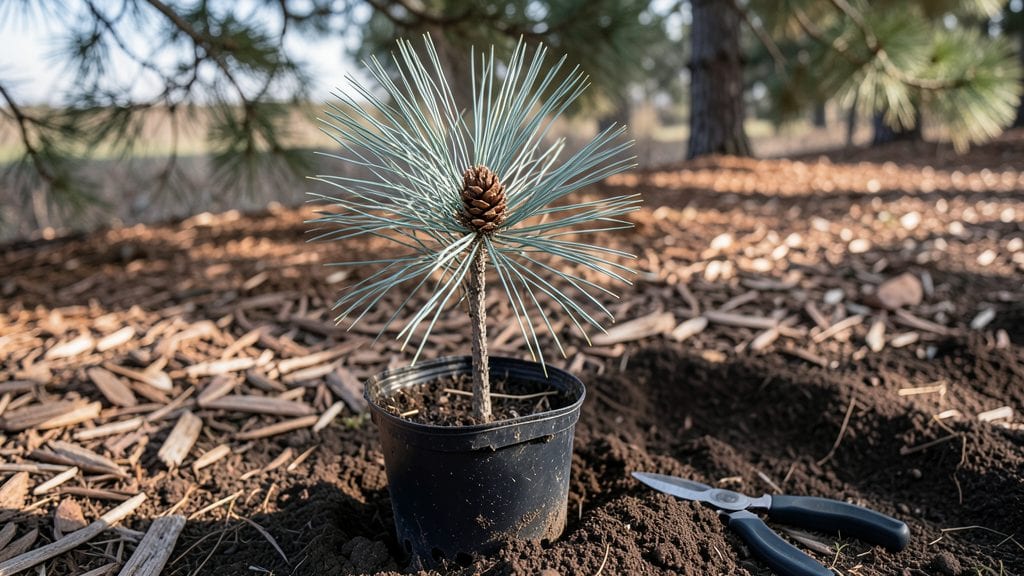
Growing a pine cone seedling requires soaking pine cones in water for 24-48 hours, planting seeds in well-draining soil, maintaining 70-80°F temperatures, and keeping soil consistently moist but not soggy for optimal 80% germination success.
Pine cone seedlings thrive when you replicate their natural growth conditions—think of it like tricking the seed into thinking winter has passed. 🌲 The soaking process breaks dormancy, while well-draining soil mimics rocky forest floors where pine trees grow wild.
I’ve found that using a mix of peat moss and perlite keeps roots happy without smothering them, and a simple grow light works wonders if natural sunlight is limited.
The key is patience—most seeds take 4-6 weeks to sprout, but once they do, you’ll see those first tiny needles emerge like magic.
Once your seedlings break through the soil, they’ll need bright indirect light for at least 6 hours a day to avoid becoming leggy.
A south-facing window or a basic LED grow bulb does the trick, and I recommend fertilizing lightly every 4-6 weeks with a balanced 10-10-10 mix once they’ve developed their second set of needles.
Transplanting outdoors after the last frost is critical—young pines are delicate, so choose a spot with partial shade and protect them from strong winds until they’re established.
💡 In This Article
- Pine Seed Germination Science and Ideal Conditions
- Step-by-Step Pine Cone Seedling Care Guide
Pine seed germination science and ideal conditions
Pine seeds enter a natural state called dormancy to survive harsh winter conditions. This biological pause prevents germination until environmental conditions are favorable. The process involves two key mechanisms: chemical inhibitors in the seed coat and physical barriers that require moisture and temperature shifts to overcome.
Think of it like a built-in survival strategy—pine trees evolved to wait for spring's warmth before sending roots downward. 🌱
The stratification process we use mimics nature's winter-spring cycle. By soaking pine cones in water for 24-48 hours, we break the seed coat's waterproofing while maintaining 60-70°F temperatures for 2-4 weeks. This warm-moist period tricks the seed into believing winter has passed.
The science here involves enzyme activation—once hydrated, enzymes break down growth inhibitors, allowing the embryo to metabolize stored nutrients. Without this step, germination rates drop below 30% because seeds remain chemically dormant.
Optimal germination occurs at 70-80°F with 50-70% humidity, creating the perfect balance between warmth and moisture. At these levels, seed metabolism accelerates while preventing fungal growth. Too hot (85°F+) causes proteins to denature, while too cold (60°F) slows enzyme activity.
The humidity range keeps seeds hydrated without creating anaerobic conditions that produce harmful ethanol. This is why a clear plastic dome over seedlings works—it traps moisture while allowing light penetration. 💧
Well-draining soil is non-negotiable because pine roots need oxygen to develop. A mix of 50% peat moss and 50% perlite creates the ideal 6.0-6.5 pH environment while preventing root rot. The perlite adds air pockets that mimic the rocky forest floors where pines grow wild.
Without proper drainage, roots suffocate from lack of oxygen, leading to blackened needles and seedling death within 10-14 days. The texture should resemble damp sand—firm enough to support roots but loose enough to allow water to flow through.
Here's what happens when conditions are perfect: After 4-6 weeks, the radicle (root) emerges first, followed by the shoot. The first needles appear in 8-12 weeks, growing in clusters of 2-5 at each node. This progression is driven by auxin hormones that regulate cell elongation.
The key takeaway is that every step—from stratification to soil composition—works together to create the right environment for these hormones to activate. Without proper conditions, the seedling's growth cycle halts before it even begins. ✨
For best results, maintain a 12-hour light cycle during germination. Pine seedlings are photoperiod-sensitive, meaning they need consistent light to trigger the final stages of germination. Artificial grow lights work perfectly for this, especially in indoor setups where natural light may be insufficient.
The light signal helps synchronize the seedling's internal clock, ensuring healthy development from the moment those first needles push through the soil. 🌿