Trees
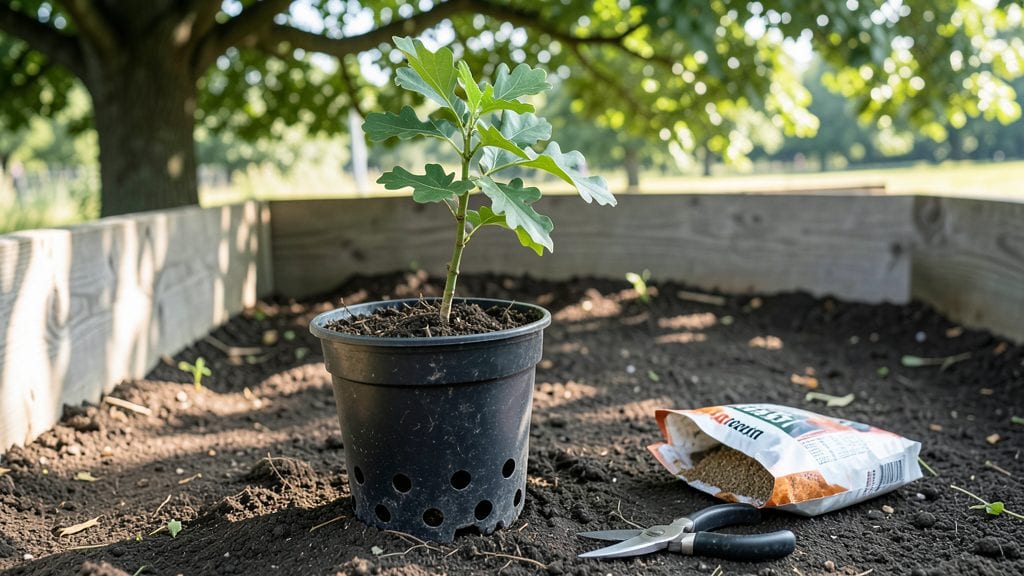
Caring for oak seedlings means giving them the patience and conditions they naturally crave—deep roots, steady moisture, and room to grow strong. 🌱 I’ve watched my own acorn sprouts struggle through droughts and overwatering before I learned the right rhythm: watering deeply but infrequently, protecting them from deer and wind, and letting them develop their own resilience.
The first year is critical, but with the right approach, you’ll see those seedlings transform into sturdy saplings ready to outlast decades.
Start with well-draining soil mixed with compost to give young roots the nutrients they need without suffocating them. A 5-gallon container or a small nursery bed works well, and keep seedlings in partial shade for the first few months to prevent stress.
Oak seedlings hate soggy feet, so raise containers slightly if your area gets heavy rain—this prevents rot while still keeping roots hydrated. The key is consistency: too much water drowns them, too little stunts growth, and too much sun scorches tender leaves.
By their second year, you’ll notice thicker stems and deeper green leaves—signs they’re thriving. Prune only to remove dead or crossing branches, and avoid heavy trimming, which stresses young oaks. Mulch around the base to retain moisture and block weeds, but keep it a few inches away from the trunk.
These saplings are tougher than they look, but they need your help to establish themselves before they can fend for themselves in the wild.
Whether you’re growing from acorns or nursery stock, the principles stay the same: protect, nurture, and give them time. In just a few years, you’ll have a sapling that could one day become a towering oak—if you start with the right care now.
Here’s how to keep them alive through every season.
📚 In This Guide
- What you need
- Instructions
- Tips and common mistakes
- Wrapping up and next steps
What you need
- ● Oak seedlings: 1-3 healthy saplings (1-2 ft tall, with strong roots and no signs of disease). Choose from local nurseries or grow your own from acorns!
- ● Well-draining potting mix: 5-10 gallons (for containers) or 1-2 cubic yards (for in-ground planting). Use a blend of peat moss, perlite, and compost (60:20:20 ratio).
- ○ Growing containers (optional but helpful): 1-2 5-gallon pots (for indoor/early-stage growth) with drainage holes.
- ● 1 10-20 gallon container (for larger saplings) or a whiskey barrel (for long-term outdoor growth).
- ● Mulch: 2-3 inches of wood chips, straw, or shredded bark (keep 6 inches away from the trunk to prevent rot).
- ● Watering can or hose with a gentle nozzle: 1-2 gallons capacity (for deep watering).
- ● Fertilizer: Slow-release granular fertilizer: 10-10-10 or 20-20-20 (apply once in early spring).
- ● Organic options: Compost tea, worm castings, or fish emulsion (diluted to half-strength).
- ● Trowel or hand shovel: For digging small holes (6-8 inches deep).
- ● Garden fork: For loosening soil in larger planting areas.
- ● Pruning shears: Sharp, sterilized shears for trimming dead branches or shaping.
- ● Measuring tape or ruler: To check mulch depth and spacing.
- ○ pH test kit (optional): To ensure soil pH is between 5.0-7.0 (oaks prefer slightly acidic to neutral soil).
- ○ Shade cloth (optional): 30-50% coverage for young seedlings in hot climates.
- ○ Tree collar protector (optional): A plastic or metal guard to prevent lawnmower damage.
- ● Sunlight: 6+ hours of direct sun daily (oaks thrive in full sun).
- ● Temperature: Ideal planting season: Spring (after last frost) or early fall (avoid extreme heat/cold).
- ● Hardiness zones: 3-9 (varies by oak species; check your local climate).
- ● Water source: Reliable access to water for deep, infrequent watering (1-2 times per week, depending on weather).
- ● Wind protection (for young saplings): Temporary stakes or a burlap windbreak if in exposed areas.
Step-by-Step guide to oak seedling care
Here’s how to nurture young oak saplings through every season—no green thumb required.
🌱 Step 1: Plant in the Right Spot for Long-Term Health
Oak seedlings thrive in full sun—at least 6 hours daily—so choose a location with open sky. I dig a hole twice as wide as the root ball but only as deep as the container’s base. This prevents burying the trunk too deep, which causes rot. Gently loosen the roots if they’re circling the pot before placing the seedling in.
Backfill with native soil mixed with compost (if available) to improve drainage. Press lightly around the base to remove air pockets, then water deeply until moisture reaches 6 inches down. You’ll know it’s right when the soil surface looks slightly damp but not soggy.
💧 Step 2: Water Deeply but Infrequently
Oak seedlings hate wet feet, so water once a week during the first year, aiming for 1-2 gallons per plant. Use a soaker hose or drip irrigation to deliver moisture directly to the roots—this keeps leaves dry and prevents fungal diseases. Water in the early morning so excess moisture evaporates by evening.
Check moisture by sticking your finger 2 inches into the soil. If it feels dry, water again. Overwatering is the #1 killer—yellowing leaves or mushrooms around the base mean you’re overdoing it. Reduce watering in winter unless the ground is frozen solid.
☀️ Step 3: Protect from Pests and Wildlife
Young oaks are a buffet for deer, rabbits, and rodents. I wrap the trunk with wire mesh (cut from an old cage or hardware store) to deter gnawing. For deer, surround the sapling with 8-foot-tall fencing—they’ll jump over anything shorter. A repellent spray (like hot pepper mix) applied monthly keeps smaller pests away.
Watch for aphids or spider mites on new leaves. Spray with neem oil (if available) or a strong water jet to dislodge them. Healthy seedlings develop thick, glossy leaves—if you see yellow spots or sticky residue, act fast.
✂️ Step 4: Prune for Strength in Early Years
Only prune to remove dead, broken, or crossing branches—never for shaping. Use clean, sharp shears to cut just above a leaf node (the bump where branches meet). Avoid cutting more than 25% of the foliage in one season, or the seedling will struggle to recover.
I prune in late winter (just before buds swell) when pests are dormant. Sterilize your tools with rubbing alcohol between cuts to prevent disease spread. Strong pruning now means fewer weak branches later—oaks grow slowly, so every cut matters.
⏰ Step 5: Winterize for Cold Seasons
Mulch the base with 3-4 inches of wood chips in fall to insulate roots. Keep mulch 6 inches away from the trunk to prevent rot. In Zone 5 or colder, wrap the trunk with burlap or tree guard to shield from windburn. Remove the wrap in early spring before buds break.
Young oaks are tough but benefit from snow protection in heavy-snow areas. Gently brush snow off branches to prevent breakage. Check soil moisture in winter—if the ground is frozen, hold off on watering until thaw.
Tips & tricks for perfect oak seedling care
Here's what I've learned after nurturing dozens of oak saplings—these tricks make all the difference between a struggling seedling and a thriving young tree.
Soil Preparation: Before planting, mix your native soil with compost at a 3:1 ratio if possible. This improves drainage and gives your oak's roots the nutrients they need to establish quickly. I always test the soil pH first—oaks prefer slightly acidic soil (6.0-7.0). If your soil is too alkaline, add a bit of sulfur to adjust it before planting. This small step prevents nutrient deficiencies that show up later as yellowing leaves.
Watering Wisdom: The once-a-week watering schedule in Step 2 works perfectly in most climates, but timing matters just as much as quantity. I set a reminder for 7 AM watering because early morning allows water to soak in before evaporating. For the first month, I check moisture every 3 days—if the top 2 inches feel dry, water again. This helps young roots establish without overwatering.
Pest Prevention: Deer are the biggest threat to young oaks, and I've learned the hard way that 6-foot fencing won't cut it. Invest in 8-foot fencing right from the start—deer can easily jump over anything shorter. For smaller pests, I've found that a mix of neem oil and insecticidal soap (applied every 2 weeks) works better than just neem oil alone. The soap helps break down the pests' protective coatings while the neem oil disrupts their life cycles.
Winter Protection: When winterizing in Zone 5 or colder, I double up on protection by wrapping the trunk with burlap AND adding extra mulch around the base. The key is to create an insulating barrier that prevents temperature swings. I also check the mulch thickness every few weeks—if it settles below 3 inches, I add more. This consistent insulation prevents root damage from freeze-thaw cycles that can kill young trees.
Pro Tips for Oak Seedling Care
- Here's what I've learned after nurturing dozens of oak saplings—these tricks make all the difference between a struggling seedling and a thriving young tree.
- Soil Preparation: Before planting, mix your native soil with compost at a 3:1 ratio if possible.
- Watering Wisdom: The once-a-week watering schedule in Step 2 works perfectly in most climates, but timing matters just as much as quantity.
Frequently asked questions
How often should I water my oak seedling?
Water your oak seedling deeply but infrequently—about once a week (or every 5–7 days) during its first year, depending on rainfall. Overwatering suffocates roots, while underwatering stresses young plants. Check soil moisture 2 inches down; if dry, it’s time to water. Mulch (2–4 inches) helps retain moisture.
Can oak seedlings survive winter?
Yes! Oak seedlings are hardy but need protection. Mulch heavily (4–6 inches) with straw or wood chips, and wrap the base with burlap if temps drop below 10°F. Young trees (under 3 years) may need a tree guard to shield from rodents. Avoid pruning in winter—wait until late winter or early spring.
What’s the best soil mix for oak seedlings?
Oaks thrive in well-draining, slightly acidic soil (pH 5.0–7.0). Mix 60% native soil, 30% compost, and 10% perlite/sand for optimal aeration. Avoid heavy clay or soggy soil—oak roots rot easily. A raised bed or mound can improve drainage in poor soil.
Why are my oak seedling’s leaves turning yellow?
Yellow leaves often signal overwatering, nutrient deficiency, or pests. Check roots—mushy or foul-smelling soil means rot. Brown edges? Likely underwatering or salt buildup. Holes or spots? Spider mites or aphids. Adjust watering, fertilize lightly (balanced 10-10-10), and inspect for pests.
How long until my oak seedling becomes a tree?
Patience is key! A healthy oak seedling grows 12–24 inches per year, but full maturity (mature height/width) takes 20–30 years. Prune strategically in early spring to encourage strong branching. First 5 years are critical—focus on root development and gradual size increases.
Wrapping up and next steps
Caring for oak seedlings is all about patience, consistency, and a little green thumb love! With the right soil, watering routine, and protection from pests, your saplings will grow into strong, majestic oaks. 🌳
Now that you’re armed with these year-round survival tips, it’s time to roll up your sleeves and give your seedlings the attention they deserve. Start by planting one today—your future forest begins with a single seed!