Diseases
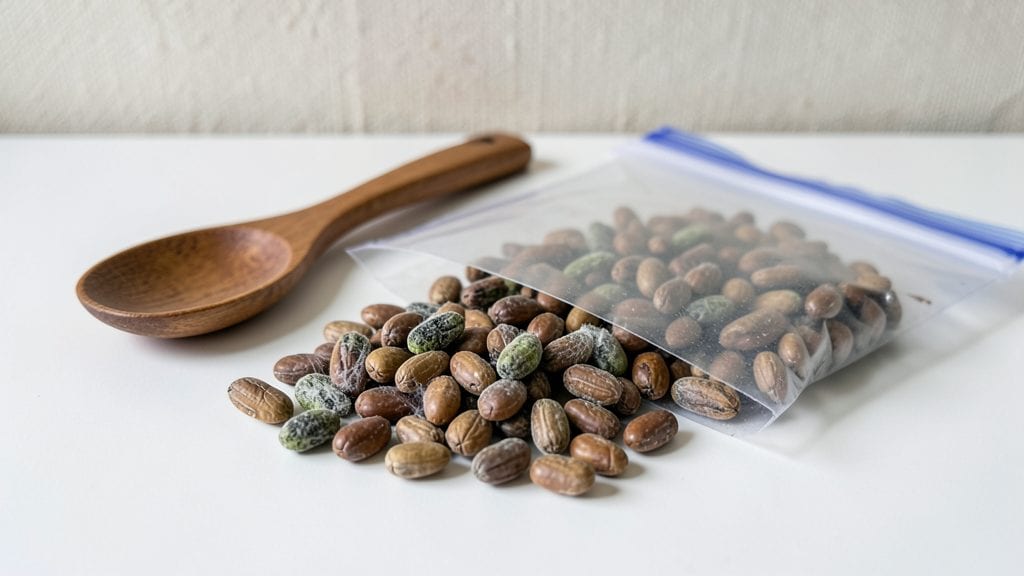
Mold on seeds can ruin a gardener’s plans faster than you’d think—especially when you’re just days away from planting. I’ve salvaged dozens of seed packets by catching fuzzy growth early, and the right moves can save yours too, without losing the entire stash.
The key? Acting fast before the mold spreads to healthy seeds.
Most seed mold comes from dampness or poor airflow during storage, but even "dry" seeds can develop it if humidity sneaks in. I’ve seen seed packets left in basements or garage shelves turn from crisp to cottony in weeks.
The good news? A few minutes of inspection and a simple drying or disinfecting step often brings seeds back to life.
You’ll be able to revive seeds in under 30 minutes with just a paper towel, a warm spot, and maybe a light spray of natural antifungal. The goal is to dry out moisture and stop the mold’s spread—no fancy tools needed.
By the end, you’ll know exactly which seeds to replant and which to toss without second-guessing.
This works for heirloom, organic, or store-bought seeds—just adjust the drying time based on how damp they feel. The same tricks prevent future mold too, so you’ll protect next year’s stash while you’re at it. Let’s get those seeds back in shape.
Hidden Triggers Behind Seed Spoilage
Mold on seeds isn’t just a random inconvenience—it’s the result of specific conditions that create the perfect storm for fungal growth. Understanding these triggers is the first step to preventing future contamination.
Let’s break down the science behind why your seeds might be developing mold, so you can take action before it’s too late.
Seeds thrive in dry conditions, but when humidity creeps above 60-70%, moisture in the air condenses on seed surfaces. This damp environment is a green light for mold spores—like Aspergillus, Penicillium, or Fusarium—to germinate and spread.
Why it happens:
- Moisture absorption: Seeds naturally absorb humidity from the air, especially if stored in plastic bags or containers without desiccants (like silica gel packets).
- Condensation buildup: Temperature fluctuations (e.g., storing seeds in a basement that gets cold at night) cause moisture to condense inside containers.
- Poor ventilation: Sealed containers trap humid air, creating a mold-friendly microclimate.
Actionable fix: Use food-grade buckets with gamma seal lids or Mylar bags with oxygen absorbers to limit moisture exposure. Store seeds in a cool, dry place (ideal: 32–40°F / 0–4°C).
Mold spores are dormant in cold conditions but activate rapidly at temperatures above 70°F (21°C). Warmth accelerates seed respiration, increasing moisture production inside the seed itself—a double whammy for fungal growth.
Why it happens:
- Seed respiration: Seeds "breathe" by releasing moisture as they age. Heat speeds this up, making them stickier and more prone to mold.
- Spores germinate faster: Many mold species double their growth rate every 3–5 hours in warm, humid conditions.
- Pantry heat traps: Storing seeds near ovens, heaters, or in direct sunlight creates a mold incubator.
Actionable fix: Keep seeds in a cool, dark place—a refrigerator (in an airtight container) or a root cellar works best. Avoid basements with poor airflow or attics that heat up.
Even healthy seeds can develop mold if they’re physically compromised or harvested too early. Cracks, bruises, or thin seed coats provide direct entry points for spores.
Why it happens:
- Mechanical damage: Rough handling during harvesting or cleaning can crack seed shells, exposing the inner tissue to moisture and mold.
- Premature harvesting: Seeds harvested before full maturity have thinner, weaker coats and higher moisture content, making them prime targets.
- Improper drying: Seeds dried too quickly (e.g., in direct sunlight) develop internal cracks from moisture stress, inviting mold.
Actionable fix:
- Handle seeds gently during cleaning—use a fine mesh sieve instead of rubbing them together.
- Dry seeds slowly in a well-ventilated area (not direct sun) until moisture content drops below 10% (test with a moisture meter or by crushing a seed—it should feel dry to the touch).
- Discard damaged seeds immediately to prevent cross-contamination.
Mold spores are everywhere—in soil, air, and even on your hands. If you’ve handled moldy seeds, tools, or storage containers before, spores can hitchhike onto your clean seed stash.
Why it happens:
- Dirty tools: Pruners, scissors, or seed trays used on moldy plants transfer spores to healthy seeds.
- Reused containers: Plastic bags, jars, or buckets previously storing moldy seeds may harbor dormant spores.
- Poor hygiene: Not washing hands or tools between handling moldy and clean seeds spreads contamination.
Actionable fix:
- Sanitize everything: Clean tools with 70% isopropyl alcohol or a 10% bleach solution (rinse well).
- Use dedicated containers for mold-free seeds—never reuse storage from contaminated batches.
- Wear gloves when handling seeds to prevent skin oils from promoting mold growth.
Stagnant air traps moisture and spores, creating a breeding ground for mold. Without circulation, seeds "sweat" and develop condensation, even in seemingly dry conditions.
Why it happens:
- Sealed containers: Plastic bags or airtight jars create a greenhouse effect, trapping humidity.
- Stacked seeds: Piling seeds too tightly in a container blocks airflow, leading to hot spots where mold thrives.
- Improper ventilation: Storing seeds in cardboard boxes (which absorb moisture) or near damp walls worsens the problem.
Actionable fix:
- Choose breathable storage: Use glass jars with rubber seals or fabric seed storage bags (like those from Seed to Seed).
- Add a desiccant: Place silica gel packets or rice (uncooked) in containers to absorb excess moisture.
- Space seeds out: If storing in bulk, use dividers or mesh bags to allow airflow between layers.
Fixing and Preventing Seed Mold
Mold on seeds isn’t just an eyesore—it can ruin your harvest or garden plans if left unchecked. The good news? Most cases can be resolved with simple, practical steps tailored to the root cause.
Below, we’ve mapped out direct solutions for common triggers, plus prevention tips to keep your seeds safe and viable for future planting.
If moisture is the culprit, air drying is your first line of defense. Mold thrives in humidity, so acting fast is key.
How to Fix:
- 🌬️ Spread seeds in a single layer on a clean, dry surface (paper towels or a mesh screen work well).
- 💨 Use a fan on low heat to circulate air—this speeds up drying without damaging seeds.
- ⏰ Check daily and flip seeds if needed. They’re ready when brittle but not crumbling.
- 📦 Store in airtight containers with silica gel packets or rice (natural moisture absorbers) once fully dry.
Prevention Tip: 💡 Never store seeds in plastic bags or humid environments. Opt for glass jars or mylar bags with oxygen absorbers for long-term storage.
Seeds stored in high-humidity areas (like basements or near windows) or in improper containers (e.g., unsealed bags) are prime targets for mold.
How to Fix:
- 🗑️ Discard contaminated seeds—if mold has spread, toss them to avoid cross-contamination.
- 🧹 Clean storage containers with a 10% bleach solution (1 part bleach to 9 parts water), rinse, and dry thoroughly.
- 🌡️ Move seeds to a cool, dark, dry place (ideal temp: 40–50°F). A pantry or seed vault works best.
- 🔄 Rotate your seed stock—use older seeds first to prevent long-term mold buildup.
Prevention Tip: ✨ Label seeds with purchase dates! Mold risk increases after 2–5 years, depending on the type.
If mold appears after planting (e.g., in seed trays or soil), you may still save your sprouts with quick action.
How to Fix:
- 🌱 Remove moldy seeds immediately—don’t let spores spread to healthy seedlings.
- 💦 Water less frequently—overwatering is a top cause of seed rot. Let soil dry slightly between waterings.
- 🌿 Improve drainage—add perlite or sand to potting mix if soil stays soggy.
- 🍄 Treat with hydrogen peroxide (3%)—spray lightly on soil (not seedlings) to kill mold spores. Rinse after 10 minutes.
Prevention Tip: 🎯 Use sterilized soil and fungicide-treated seed trays to start clean. A 10-minute bake at 200°F kills mold spores in soil.
If mold has taken over bulk seed storage or growing areas, a deep clean is necessary to prevent reinfection.
How to Fix:
- 🧼 Scrub surfaces with vinegar (undiluted white vinegar) or bleach solution (1:10 ratio). Let air dry.
- 🌬️ Improve airflow—use dehumidifiers or open windows to reduce moisture.
- 🔄 Replace contaminated tools—sprayers, scissors, and trays should be disinfected after use.
- 🚫 Avoid plastic storage bins—opt for metal or glass to prevent mold growth on surfaces.
Prevention Tip: 💡 Store seeds in mylar bags with oxygen absorbers for long-term protection. These create a mold-resistant barrier!
Final Reminder: 🌱 When in doubt, test seeds for viability before planting. A simple paper towel germination test (moisten a towel, place seeds, and check for sprouts in 7–10 days) ensures you’re not wasting moldy seeds.
Frequently asked questions
How do I know if my seeds have mold?
Look for fuzzy spots, discoloration, or a musty smell in your seed packets. Black, green, or white growth are common signs. Gently shake seeds onto a white surface—if you see powdery residue or slimy textures, it’s mold. Discard heavily contaminated seeds immediately.
Can I still use seeds with a little mold?
Only if you act fast! For light mold, dry seeds thoroughly with a fan for 12–24 hours, then store in a sealed container with silica gel. If mold covers more than 10% of seeds, toss them—spores can survive drying and reinfect your stash.
What’s the fastest way to dry moldy seeds?
Spread seeds in a single layer on paper towels near a fan (not direct heat). Flip every 2–3 hours. Most seeds dry in 6–12 hours if humidity is below 50%. Test by crushing a seed—it should feel dry but not brittle.
Will vinegar kill mold on seeds?
No—vinegar’s acidity can damage seeds. Instead, use a 3% hydrogen peroxide spray (1:1 with water) to disinfect surfaces, or wipe containers with 70% isopropyl alcohol. For seeds, focus on drying and proper storage to prevent regrowth.
How do I prevent mold in long-term seed storage?
Store seeds in airtight containers (glass jars or mylar bags) with silica gel packets or uncooked rice. Keep them in a cool, dark place (ideal: 32–40°F). Rotate stock—use older seeds first to avoid long-term moisture buildup.