Diseases
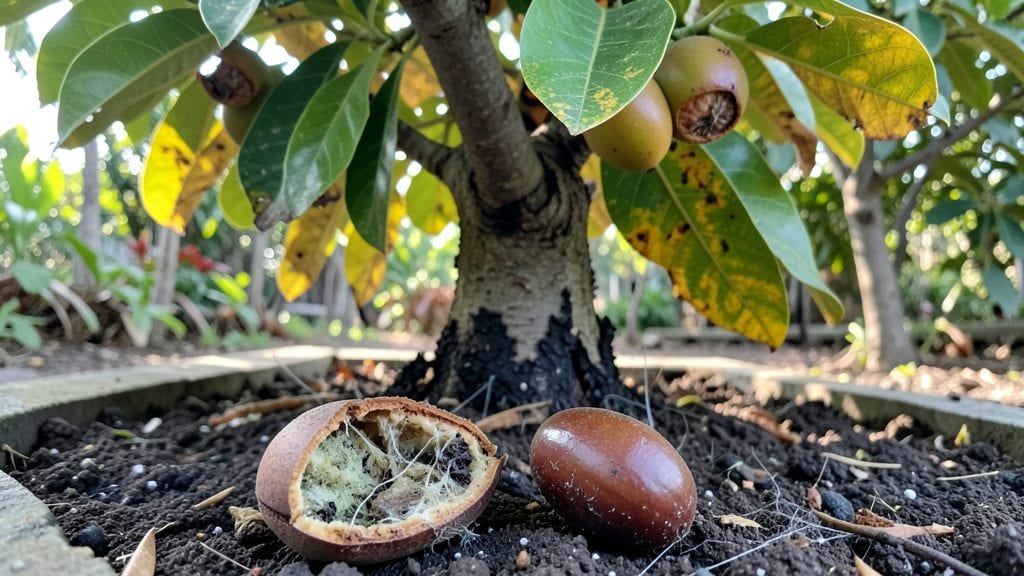
When your mango seeds turn mushy and collapse before sprouting, you're staring at seed rot—and it’s more common than you’d think. 🌱 I’ve nursed dozens of tropical seedlings back from this silent killer, and the fixes are simpler than you’d expect.
The problem usually starts with soggy soil or hidden fungal spores, but catching it early means you can still save your seedlings.
Overwatering is the #1 culprit, but poor drainage, old seeds, or even contaminated soil can trigger the same rot. You’ll spot it when seeds stay soft instead of firming up, or when fuzzy mold appears on the surface.
The good news? Sterilizing your starting mix, spacing seeds properly, and using a light fungicide can turn things around fast—often within days.
Once you adjust the watering schedule and improve airflow, you’ll see healthy roots re-emerge within a week. The key is acting before the fungus spreads to the seedlings above ground.
With the right approach, you can rescue your batch and even prevent future losses—no matter whether you’re growing from grocery store seeds or heirloom varieties.
This works for other tropical seeds too—avocado, citrus, even papaya. The same principles apply, so once you master mango seed rot, your whole seed-starting game gets stronger. Let’s get those seeds sprouting right.
Root Causes Of Seed Decay
When your mango tree’s seeds turn mushy, discolored, or emit an unpleasant odor, it’s often a sign of seed rot—a silent but destructive process that can cripple a young tree before it even takes root.
Understanding the underlying causes is the first step to prevention and recovery. Below, we break down the key factors that trigger seed decay, from environmental stressors to biological threats.
Seeds need precise conditions to sprout successfully. When these conditions are off, rot sets in quickly.
- Excess Moisture: Mango seeds contain high starch levels, making them prone to fungal and bacterial growth when overwatered. Too much moisture (especially in poorly drained soil) creates an anaerobic environment where harmful microbes thrive. Actionable fix: Use a well-draining mix (e.g., 50% coco coir, 30% perlite, 20% sand) and avoid watering until the top inch of soil is dry.
- Low Oxygen Levels: Seeds buried too deep or planted in compacted soil suffocate, leading to fermentation and rot. Actionable fix: Plant seeds at a depth of only 1 inch and loosen soil around them to improve aeration.
- Temperature Fluctuations: Mango seeds germinate best in 75–90°F (24–32°C). Extreme cold or heat shocks the seed, weakening its defenses. Actionable fix: Use a seedling heat mat if temperatures drop below 60°F (15°C) or move pots to a shaded, warm spot.
Fungi and bacteria are the #1 culprits behind seed rot, often lurking in soil or contaminated planting materials.
- Fungal Pathogens:
- Fusarium and Pythium species thrive in damp conditions, attacking the seed’s vascular system and cutting off nutrient flow. Signs: Blackened, water-soaked seeds with white mold.
- Rhizoctonia solani causes "damping-off," where seedlings collapse at the soil line. Signs: Brown, mushy stems at ground level.
- Bacterial Soft Rot: Bacteria like Erwinia break down seed tissues, turning them into a foul-smelling sludge. Signs: Slimy, foul odor + rapid decay.
Actionable fix: Sterilize soil with a 10-minute bake at 180°F (82°C) or use a hydrogen peroxide (3%) soak for seeds before planting. Avoid reusing contaminated pots.
Not all mango seeds are created equal—and some are doomed from the start.
- Overripe or Underripe Seeds: Seeds from unripe mangoes lack the energy reserves needed for germination, while overripe seeds may already harbor mold. Actionable fix: Select firm, yellow-green mangoes (not red or squishy) for seed extraction.
- Dried-Out Seeds: Seeds left exposed to air for weeks lose viability. Actionable fix: Plant seeds within 24–48 hours of extraction or store them in a paper towel + plastic bag in the fridge (up to 2 weeks).
- Genetic Weakness: Some mango varieties are more susceptible to rot due to thin seed coats or poor disease resistance. Actionable fix: Research hybrid varieties (e.g., 'Keitt' or 'Kent') known for better seed vigor.
Cross-contamination turns a healthy seed into a rot magnet.
- Reused or Unsterilized Soil: Old potting mix may harbor Phytophthora or other pathogens. Actionable fix: Use fresh, sterile potting soil or pasteurize old mix with steam (212°F/100°C for 30 mins).
- Dirty Tools: Pruners, knives, or hands can transfer bacteria from one seed to another. Actionable fix: Sanitize tools with 70% isopropyl alcohol between uses.
- Weed Debris: Decaying plant matter in soil releases spores that attack seeds. Actionable fix: Remove all weeds and organic debris before planting.
Even minor injuries create entry points for rot-causing microbes.
- Cracked Seed Coats: Rough handling during extraction can split the seed, exposing the embryo to moisture and pathogens. Actionable fix: Gently tap the seed on a hard surface (not chop!) to crack it open.
- Improper Scarification: Over-sanding or nicking the seed too deeply stresses it. Actionable fix: Lightly file the seed coat (if needed) for 30 seconds max with fine-grit sandpaper.
- Improper Planting Depth: Burying seeds too deep suffocates them, while planting too shallow exposes them to drying. Actionable fix: Aim for ½ inch deep in moist, warm soil.
💡 Pro Tip: If you’re reviving a rotting seed, act fast! Remove it from the soil, trim away mushy tissue with sterilized scissors, and let it dry in shade for 24 hours before replanting in fresh, sterile medium.
Fixing and Preventing Fruit Decay
Now that you understand the root causes behind mango seed rot—whether it’s fungal infections, bacterial attacks, or environmental stressors—it’s time to take action. The good news? Most issues can be managed with a mix of preventive care, early intervention, and smart gardening practices.
Below, we’ve broken down solutions by cause, so you can tackle the problem head-on and keep your mango trees thriving.
Fungi like Colletotrichum and Phomopsis thrive in damp, warm conditions, turning healthy seeds into mushy, rotting messes. Here’s how to fight back:
🔥 Remove and Destroy Infected Fruit
- Step 1: Pick up any mangoes showing signs of rot—shriveled skin, oozing lesions, or discolored seeds.
- Step 2: Do not compost them. Instead, bag the fruit and toss it in the trash (or burn it if possible) to prevent spores from lingering.
- Step 3: Sterilize pruning shears with 70% rubbing alcohol or a 10% bleach solution (1 part bleach to 9 parts water) between cuts.
🌡️ Improve Airflow and Reduce Humidity
Fungi love stagnant air and excess moisture. Break their habitat with these tweaks:
- Prune strategically: Thin out dense foliage to allow sunlight and air to circulate around the tree.
- Space trees properly: If growing multiple mango trees, keep them 15–20 feet apart to reduce crowding.
- Use shade cloth (not full shade): If your climate is humid, drape 50% shade cloth over trees during peak heat to lower moisture levels without suffocating the plant.
💡 Pro Tip: Fungicidal Sprays (When Needed)
For severe infections, apply copper-based fungicides (like Bordeaux mixture) or neem oil spray (1 tbsp neem oil + 1 tsp mild soap per liter of water). Spray every 7–10 days during rainy seasons or after pruning.
Bacterial rot spreads faster than fungi and can kill trees if left unchecked. Act fast with these steps:
👨🍳 Prune Infected Branches Immediately
- Step 1: Cut off any branch with blackened, oozing lesions—at least 6 inches below the affected area to ensure you remove the infection.
- Step 2: Dip pruners in bleach between cuts to prevent cross-contamination.
- Step 3: Dispose of infected branches far from the tree (burying them is better than leaving them on the ground).
⏰ Adjust Watering Habits
Bacteria love soggy soil. Fix your watering routine to starve them out:
- Water at the base (not overhead) to keep leaves dry.
- Water early in the day so foliage dries quickly.
- Avoid overwatering: Let the top 2–3 inches of soil dry out between waterings.
🌱 Soil Sterilization (For Severe Cases)
If bacterial rot persists, sterilize the soil around the tree:
- Solarize the soil: Cover the area with clear plastic sheeting for 4–6 weeks in hot sun to kill bacteria.
- Add compost or biochar: Improve drainage and introduce beneficial microbes (like Bacillus subtilis) to outcompete pathogens.
Heat stress, poor drainage, or nutrient deficiencies weaken trees, making them vulnerable to rot. Strengthen their defenses with these fixes:
💧 Fix Drainage Issues
- Test your soil: If water pools around the roots, amend the soil with sand, perlite, or coconut coir to improve drainage.
- Raise the tree (if in a pot): Ensure pots have drainage holes and elevate them on feet or bricks to prevent waterlogging.
🍽️ Nutrient Boost for Recovery
Weak trees are easy targets. Feed them right to speed up recovery:
- Use a balanced fertilizer (like 10-10-10) during the growing season (spring/summer).
- Add micronutrients: Mango trees need zinc, manganese, and boron—apply them as a foliar spray if deficiency is suspected.
- Mulch properly: Use wood chips or straw (not fresh grass clippings) to retain moisture without suffocating roots.
🌿 Shade Management
Too much direct sun can stress trees, while too little promotes fungal growth. Find the sweet spot:
- Young trees: Provide 30–50% shade for the first 2 years.
- Mature trees: Gradually reduce shade to encourage sun exposure (but avoid scorching).
The best defense? A healthy, resilient mango tree. Follow these year-round habits to keep rot at bay:
- 🌱 Plant disease-resistant varieties: Some mango cultivars (like Keitt or Kent) are less prone to seed rot.
- 🍃 Rotate crops: If growing other fruit trees nearby, avoid planting mangoes in the same spot for 3+ years to break disease cycles.
- 🔍 Monitor regularly: Inspect trees weekly during fruiting season for early signs of rot.
- 🌧️ Post-harvest care: After picking mangoes, clean up fallen fruit and debris immediately to remove breeding grounds for pathogens.
Remember: The key to solving mango seed rot is speed and consistency. Catch issues early, adjust care routines, and your trees will bounce back stronger than ever! 🌳💪
Frequently asked questions about mango seed rot
Why do my mango seeds turn mushy so quickly after planting?
Overwatering or poor drainage creates the perfect environment for fungal growth like Pythium or Fusarium. Mango seeds contain high starch levels, which attract microbes when soil stays too wet. Use a well-draining mix (50% coco coir, 30% perlite) and water only when the top inch is dry.
Can I save a seed that’s already showing signs of rot?
Yes, but act fast! Remove the seed from soil, trim away mushy tissue with sterilized scissors, then let it dry in shade for 24 hours. Replant in fresh, sterile medium—this stops fungal spread and gives it a second chance.
How do I sterilize my soil to prevent future rot?
Bake your potting mix at 180°F (82°C) for 10 minutes or soak seeds in 3% hydrogen peroxide for 5 minutes before planting. For garden beds, solarize soil with clear plastic for 4-6 weeks during hot weather. This kills 99% of pathogens.
Are some mango varieties more resistant to seed rot?
Yes! Hybrid varieties like 'Keitt' or 'Kent' have thicker seed coats and better disease resistance. Avoid seeds from overripe or underripe fruit—they’re more susceptible to fungal attacks. Choose firm, yellow-green mangoes for best results.
What’s the best depth to plant mango seeds?
Plant seeds ½ inch deep in moist, warm soil. Burying too deep suffocates them, while planting too shallow causes drying. Use a seedling heat mat if your climate drops below 60°F (15°C)—mango seeds need consistent warmth to germinate properly.