Pruning
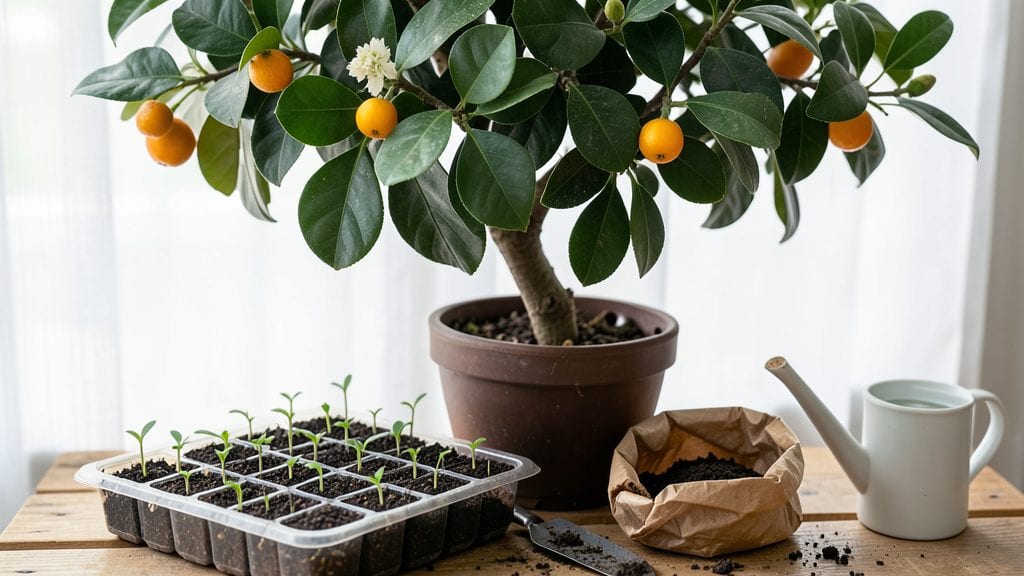
Growing a kumquat tree from seeds means fresh, tart-sweet fruit in just three years—though patience is key. 🌱 I’ve started dozens from seed, and while they’re slower than grafted trees, the satisfaction of growing your own citrus from scratch makes it worth the wait.
The process starts with a warm, sunny spot and well-draining soil—kumquats hate soggy roots. You’ll need a small pot, a heat mat (or sunny windowsill), and a spray bottle for gentle watering.
Germination can take 3-6 weeks, so consistency is everything. Once sprouted, keep them bright but avoid direct midday sun until they’re sturdy.
By year three, you’ll have a bushy, thorny tree with tiny, edible fruits—though seed-grown kumquats may take longer to bear than nursery trees. The first harvest will be small, but each year brings more branches, more blooms, and eventually, enough fruit to share.
Just don’t expect the same sweetness as grafted varieties; seed-grown trees often have a stronger citrus punch.
Perfect for containers or small yards, kumquats thrive in zones 9-11 but can be grown indoors near a sunny window. The real reward? A tree that keeps producing citrus long after store-bought options fade. Let’s get those seeds sprouting!
📚 In This Guide
- What you need
- Instructions
- Tips and common mistakes
- Wrapping up and next steps
What you need
- ● Kumquat seeds – 3–5 fresh, plump seeds (harvested from ripe kumquats). Pro tip: 💡 Store seeds in a paper towel in the fridge until ready to plant!
- ● Well-draining potting mix – 2–3 gallons of a blend designed for citrus or cacti (e.g., 60% cactus/succulent mix + 40% perlite/pumice). ✨ Avoid garden soil—it retains too much moisture!
- ● Small pots or seed trays – 4–6-inch diameter pots (or a seed tray with drainage holes) for germination.
- ● Drainage trays or saucers – To catch excess water and prevent root rot.
- ● Spray bottle – For gentle watering during germination.
- ● Clear plastic wrap or humidity dome – To maintain moisture and warmth.
- ● Grow lights or sunny windowsill – A south-facing window or LED grow lights (12+ hours/day) for seedlings.
- ● Fertilizer – A balanced, water-soluble fertilizer (5-5-5 or 10-10-10) for young seedlings.
- ● Pruning shears – For trimming leggy seedlings later.
- ● pH testing kit – To monitor soil pH (ideal range: 6.0–7.0 for citrus).
- ● Citrus-specific fertilizer – Like Citrus-Tone or Miracle-Gro Citrus Food for faster growth.
- ● Larger container (5+ gallons) – For transplanting once seedlings are 6+ inches tall.
- ○ Mulch or gravel – To top soil and retain moisture (optional for outdoor planting).
Step-by-step instructions for growing kumquat trees from seed
Here's how to nurture your own citrus tree from a tiny seed—with patience and care, you'll enjoy homegrown kumquats in just three years.
🌱 Step 1: Extract and Prepare the Seeds
Start by selecting a few ripe kumquats from your fruit bowl. Slice them open and carefully remove the seeds—you'll need about 4 seeds to ensure success. Rinse them thoroughly under cool water to remove any pulp residue, then pat them dry with a paper towel. This step is crucial because leftover fruit sugars can cause mold during germination.
Place the clean seeds in a small container with lukewarm water and let them soak for 24 hours. The seed coat is tough, and this softens it just enough to encourage faster sprouting. I like to use a clear container so I can watch the seeds absorb water—you'll see them plump up noticeably after a day.
💧 Step 2: Plant the Seeds in Moist Potting Mix
Fill a 4-inch diameter pot with sterile potting mix (not garden soil) until it's about 1 inch below the rim. Press the soil down lightly to remove air pockets, then create small holes about ½ inch deep using your finger. Gently place one seed per hole and cover them with a thin layer of additional mix—just enough to hide them but not bury them too deep.
Water the soil until it's evenly moist, but avoid soaking it. You want the top layer to feel damp to the touch, not soggy. Place the pot in a warm spot with indirect light—a kitchen windowsill or under a grow light works well. The ideal germination temperature is 70-75°F, so if your home runs cooler, consider using a seedling heat mat.
☀️ Step 3: Provide Warmth and Wait for Sprouts
Keep the soil consistently moist by misting it lightly every 2-3 days—overwatering now can cause the seeds to rot before they sprout. Cover the pot loosely with plastic wrap to retain humidity, but remove it daily for 5 minutes to prevent mold. Germination can take 2-4 weeks, so be patient. You'll know it's working when you see tiny green shoots pushing through the soil.
Once the first true leaves appear (not the initial seed leaves), it's time to move the seedlings to brighter light. Place them under a grow light or in a south-facing window where they'll receive 4-6 hours of sunlight daily. This prevents leggy growth and ensures strong, healthy stems. If you notice the seedlings stretching toward the light, they need to be closer to the source.
🪴 Step 4: Transplant and Encourage Growth
After the seedlings develop 3-4 sets of true leaves (usually around 8-12 weeks), it's time to transplant them into 6-inch pots with fresh potting mix. Handle the seedlings gently to avoid damaging the delicate roots—kumquat trees are sensitive to root disturbance. Water them thoroughly after transplanting to help settle the soil around the roots.
Continue providing bright, indirect light and keep the soil moist but not waterlogged. Kumquat trees thrive in 65-80°F temperatures, so if you're growing them indoors, a sunny windowsill or under a grow light is ideal. You'll start to see new growth within a few weeks, and that's your sign that the tree is adapting well to its new home.
⏰ Step 5: Prune and Train for a Strong Structure
Once your kumquat tree reaches about 12 inches tall, it's time to start pruning to encourage a bushier shape. Use clean, sharp pruning shears to trim back the longest stems by about ⅓ of their length. This redirects energy to the lower branches, helping the tree grow wider rather than just taller. Always prune just above a leaf node where new growth can sprout.
If you're growing your kumquat outdoors in a warm climate, you can transplant it to the ground after the last frost, but wait until it's at least 18 inches tall for better survival. Keep an eye out for pests like aphids or scale insects, which can be treated with a mild soap spray if they appear. With proper care, your kumquat tree will start producing fruit in 3-5 years—so keep nurturing it!
Tips & tricks for perfect kumquat tree growth
Growing kumquat trees from seed takes patience, but these little tricks will help you avoid common pitfalls and give your seedlings the best start possible.
The Soaking Secret: That 24-hour soak in lukewarm water isn't just about softening the seed coat—it's also a great time to check for viability. After soaking, healthy seeds will plump up noticeably and float slightly in the water, while non-viable ones will sink to the bottom. This simple test can save you weeks of waiting for seeds that might never sprout.
Lighting Strategy: In Step 3, when you move seedlings to brighter light, position them within 6-12 inches of your grow light or south-facing window. The 4-6 hours of daily light is crucial, but too much distance means weak stems. I like to rotate my pots daily so all sides get even exposure—this prevents lopsided growth toward the light source.
Transplanting Timing: The 8-12 week window for transplanting to 6-inch pots might seem flexible, but don't wait too long. Seedlings with 3-4 sets of true leaves are at their most adaptable. If you wait until they're too large, their delicate roots will be more prone to shock during the move. I always transplant on a cloudy day to reduce stress from direct sunlight.
Pruning Precision: When your tree reaches 12 inches and you're ready to prune, focus on removing stems that are growing straight up rather than outward. These vertical stems compete with your tree's natural branching habit. Always make cuts just above a leaf node where new growth can emerge—this is where your tree's energy will redirect to create bushier growth.
Pro Tips for Kumquat Tree Seeds
- Growing kumquat trees from seed takes patience, but these little tricks will help you avoid common pitfalls and give ...
- The Soaking Secret: That 24-hour soak in lukewarm water isn't just about softening the seed coat—it's also a great ti...
- Lighting Strategy: In Step 3, when you move seedlings to brighter light, position them within 6-12 inches of your gro...
Frequently asked questions
Got questions about growing kumquat trees from seeds? You're not alone!
Here are answers to the most common queries to help you get started on your citrus adventure.
How long does it take for kumquat seeds to germinate?
Kumquat seeds typically germinate in 4–8 weeks if kept in warm, moist conditions (around 70–80°F). Patience is key—some seeds may take longer, especially if stored improperly. Soak seeds overnight before planting to speed up the process!
Can I grow a kumquat tree from a store-bought kumquat?
Yes, but with a caveat: store-bought kumquats are often hybrid varieties (like Meiwa or Nagami) that may not produce true-to-type fruit. For consistent results, source seeds from a grafted tree or a trusted nursery. If you’re experimenting, expect surprises!
What’s the best temperature for growing kumquat seeds indoors?
Kumquat seeds thrive in warmth—aim for 70–85°F during the day and 60–65°F at night. Use a heat mat (80–90°F) under seed trays to boost germination. Avoid cold drafts or sudden temperature drops, which can stall growth.
Why aren’t my kumquat seeds sprouting? Troubleshooting tips.
If seeds refuse to sprout, check these common issues:
- Dormancy: Some seeds need stratification (cool moisture) or scarification (light sanding) to break dormancy.
- Moisture: Overwatering can rot seeds; keep soil consistently damp (not soggy).
- Depth: Plant seeds ½ inch deep—too shallow or deep can hinder germination.
- Age: Older seeds (over 6 months) may lose viability. Freshness is key!
How big will a kumquat tree grown from seed get?
Seed-grown kumquats are unpredictable—they may stay small (3–6 feet) or grow into sprawling trees (10+ feet) with variable fruit quality. For manageable size and reliable harvests, consider grafting a known variety onto your seedling later. Dwarf varieties (like ‘Centennial’) are great for containers!
Wrapping up and next steps
Growing a kumquat tree from seed is a rewarding journey that can yield delicious, year-round citrus in just three years! With the right tools, patience, and care—like selecting healthy seeds, providing proper light, and mastering pruning—you’ll soon enjoy homegrown kumquats straight from your own tree. 🌱✨
Ready to take the next step? Start by planting those seeds today and watch your citrus dream grow—one tiny sprout at a time! Happy gardening!