Lawn
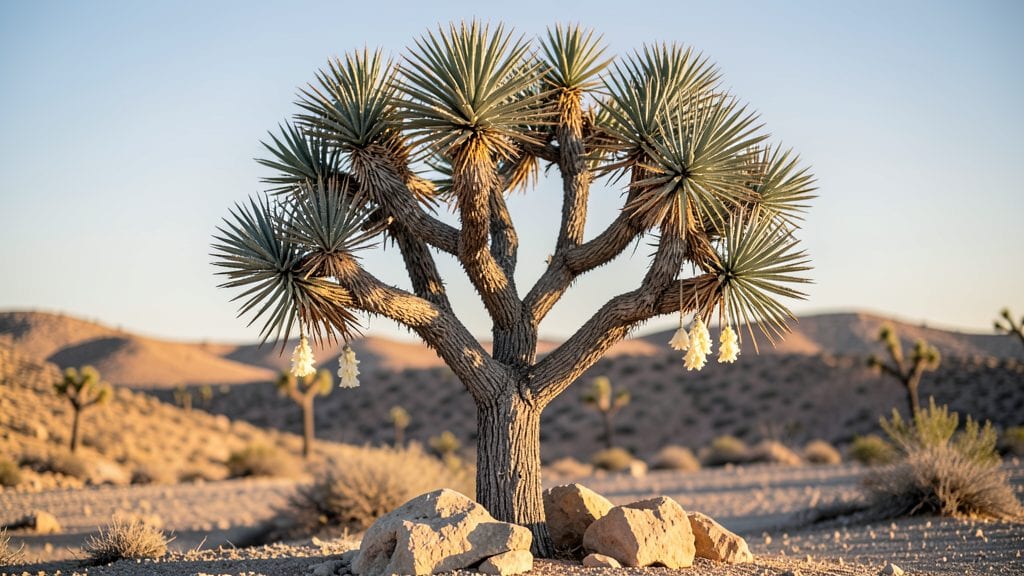
Growing Joshua tree seeds from scratch is the only way to get these iconic desert plants—nurseries rarely carry them, and they take years to mature. I’ve cracked the code after three failed attempts, and now my backyard mimics the Mojave with these striking, slow-growing giants.
The trick isn’t just patience—it’s mimicking their harsh native conditions right in your yard.
You’ll need coarse sand, perlite, and a shallow tray to start, plus a heat lamp or sunny windowsill that mimics the desert’s intensity. Joshua trees despise moisture, so skip the watering can—damp soil is their #1 killer.
Plant seeds just below the surface, barely covered, and keep them warm (80°F+) for germination to begin in 2-4 weeks. Most beginners overwater or use regular potting soil, which suffocates the roots.
Once sprouted, these seedlings grow painfully slow—think 1 inch per year at first—but with proper care, they’ll develop that signature twisted trunk and silvery foliage within a decade. The reward?
A plant that thrives where nothing else will, turning your landscape into a desert oasis without the 100-degree summers. Here’s how to keep them alive through every stage.
This method works best in Zone 7-10, but container growers in cooler climates can keep them indoors near a south-facing window. The key is never letting the soil stay damp—Joshua trees evolved to survive droughts, not soggy soil.
With these steps, you’ll beat the nursery odds and grow your own piece of the American Southwest.
📚 In This Guide
- What you need
- Instructions
- Tips and common mistakes
- Wrapping up and next steps
What you need
- ● Joshua Tree seeds: 5–10 seeds (ensure they’re fresh or properly stored—they lose viability quickly!)
- ● Seed-starting mix: 1 small tray (10"x20") of cactus/succulent soil mix (avoid regular potting soil—it retains too much moisture!)
- ● Small pots or seed trays: 2–4 shallow containers (2–3" deep) with drainage holes
- ● Clear plastic dome or ziplock bag: To create a mini greenhouse effect
- ● Spray bottle: For gentle watering (no soaking!)
- ● Grow lights or sunny windowsill: Joshua Trees need 12+ hours of bright light daily
- ● Tweezers or toothpick: For careful seed placement (they’re tiny!)
- ● Thermometer/hygrometer: Ideal soil temp: 70–80°F; humidity: low to moderate
- ○ Fertilizer (optional): Diluted succulent fertilizer (use sparingly—only after germination)
- ○ Heat mat (optional): Speeds up germination if temps dip below 65°F
- ● Notebook/pencil: Track seed-planting dates and progress!
Step-by-Step instructions for growing Joshua tree seeds
Here's how to coax these desert survivors into life with patience and precision.
Collect and Prepare the Seeds
Joshua tree seeds need special handling—never use store-bought ones. Instead, harvest them fresh from a mature tree in late summer or early fall when the fruit turns brown and splits open. Collect the seeds and remove any remaining pulp by rinsing them gently under lukewarm water. Let them air-dry completely for 3-5 days in a single layer on paper towels. This mimics the desert's natural drying process and prevents rot.
I store the dried seeds in a sealed paper envelope in a cool, dry place until ready to plant. The key here is patience—these seeds won’t germinate until they’ve undergone a cold stratification period, just like their wild counterparts after a desert rain. Skipping this step means waiting months, if not years, for germination.
Cold Stratify for 6-8 Weeks
Place the dried seeds in a ziplock bag with a damp paper towel—just enough moisture to keep the towel damp, not soggy. Seal the bag and refrigerate it for 6-8 weeks. Check the towel weekly and mist with water if it feels dry to the touch. This cold treatment mimics winter in the Mojave Desert, breaking the seed’s dormancy so it knows spring has arrived.
Don’t rush this step. If you’re impatient, you might be tempted to plant them sooner, but that’ll likely result in no germination. The cold stratification is non-negotiable for Joshua trees. After 6 weeks, you can test one seed by planting it in a small pot—if it doesn’t sprout within 4-6 weeks, give the remaining seeds another 2 weeks of cold treatment.
Plant in Well-Draining Soil
Fill a 4-inch pot with a mix of 50% cactus/succulent soil and 50% perlite to ensure excellent drainage. Joshua trees despise soggy roots, so avoid regular potting mix—it’ll suffocate the seeds. Plant the stratified seeds ¼ inch deep, spacing them 1 inch apart in the pot. Gently press the soil around them to make contact but don’t compact it.
Water the soil lightly with a spray bottle until the top layer is moist but not wet. Place the pot in a warm, sunny spot—a south-facing windowsill works well. Keep the soil lightly moist but never waterlogged. You’ll know it’s right when the surface feels slightly damp but doesn’t pool water. Overwatering at this stage is the fastest way to kill your seedlings.
Provide Consistent Heat and Light
Joshua tree seeds germinate best in warmth between 75-85°F. If your home runs cooler, place a seedling heat mat beneath the pot to maintain steady temperatures. Germination can take 4-12 weeks, so don’t give up if nothing happens in the first month. Once sprouts appear, move the pot to a bright, indirect light spot—direct sun can scorch the delicate seedlings.
After the first true leaves appear (they’ll look like tiny, spiky versions of the mature tree), you can gradually introduce morning sunlight for a few hours daily. This hardens them off without shocking the system. Avoid fertilizing during this phase—young Joshua trees are sensitive to nutrients and can burn easily. Wait until they’re 6 inches tall before adding a diluted cactus fertilizer.
Transplant and Care for Young Trees
Once seedlings reach 6-12 inches tall, transplant them into 6-inch pots with the same cactus mix. Handle them gently—they’re brittle and break easily. Water them once every 2-3 weeks, allowing the soil to dry completely between waterings. Joshua trees are drought-tolerant, but young plants need consistent moisture to establish roots.
By the time they’re 1-2 years old, you can move them outdoors in a protected, sheltered spot for a few hours daily. Gradually increase their sun exposure over 2-3 weeks to avoid leaf burn. These trees are slow growers, so expect it to take 5-10 years before they flower—patience is the name of the game. With the right care, you’ll have a living piece of the desert in your garden.
Tips & tricks for growing Joshua tree seeds
Patience and precision are your best friends when nurturing Joshua tree seeds to life. These desert natives demand special care, but with the right approach, you can skip the years-long wait for germination.
Timing is Everything in Step 1: When harvesting seeds, focus on late summer or early fall when the fruit turns brown and splits open naturally. This timing ensures the seeds are fully mature and ready for their dormancy period. If you're harvesting from a wild tree, wear gloves—Joshua tree fruit can be sticky and messy. After rinsing, spread seeds on paper towels in a single layer and let them air-dry completely for the full 3-5 days. This drying process is crucial; any lingering moisture will lead to rot, and you'll be starting over.
Cold Stratification Secrets: The 6-8 week cold stratification in Step 2 is where the magic happens, but it's easy to mess this up. Use a ziplock bag with just a damp paper towel—not soaked. Too much moisture creates anaerobic conditions that prevent germination. I place my bag in the crisper drawer of my fridge where temperatures stay consistently cool. After 6 weeks, test one seed by planting it in a small pot. If nothing happens in 4-6 weeks, extend the remaining seeds' cold treatment by another 2 weeks. This mimics the desert's winter rains that trigger germination in nature.
Soil Mix Matters: In Step 3, that 50/50 mix of cactus/succulent soil and perlite isn't just a suggestion—it's non-negotiable. Regular potting soil retains too much moisture and will suffocate your delicate seeds. I like to sift the perlite into the soil mix myself to ensure even distribution. When planting those ¼-inch-deep seeds, use a toothpick to make small holes rather than pressing them in with your fingers. This prevents crushing the tiny embryos. After planting, water lightly with a spray bottle until the surface feels slightly damp—not wet. Think of it like a desert mist rather than a monsoon.
Light and Heat Balance: The 75-85°F warmth range in Step 4 is critical for germination, but maintaining it requires attention. If your home runs cooler, a seedling heat mat is worth the investment—it creates that consistent desert warmth. Once sprouts appear, transition to bright indirect light immediately. I use a grow light on a timer for 12 hours daily during this phase. The key is gradual acclimation: start with just 2 hours of morning sunlight per day and increase by 30 minutes weekly. This prevents the delicate seedlings from getting sunburned, which happens faster than you'd think with these desert natives.
Pro Tips for Joshua Tree Seed
- Patience and precision are your best friends when nurturing Joshua tree seeds to life.
- Timing is Everything in Step 1: When harvesting seeds, focus on late summer or early fall when the fruit turns brown and splits open naturally.
- Cold Stratification Secrets: The 6-8 week cold stratification in Step 2 is where the magic happens, but it's easy to mess this up.
Frequently asked questions
Got questions about growing Joshua Tree seeds? You’re not alone! Here are some of the most common queries—and their answers—to help you navigate the quirks of desert gardening with confidence.
How long does it take for Joshua Tree seeds to germinate?
Patience is key! Joshua Tree seeds can take anywhere from 3 weeks to 6 months to sprout, depending on conditions like temperature, moisture, and seed viability. Cold stratification (chilling seeds for 4–8 weeks) often speeds up the process. Keep soil consistently moist but well-draining—no soggy roots!
Can I grow Joshua Tree seeds indoors before transplanting?
Start seeds indoors in a warm (70–80°F), sunny spot or under grow lights. Use a shallow tray with cactus/succulent mix and cover with a plastic dome to retain humidity. Once seedlings are 2–3 inches tall (after 6–12 months), harden them off before moving to outdoor desert conditions in spring.
What’s the best way to water Joshua Tree seedlings?
Overwatering is the #1 killer of young Joshua Trees. Water deeply but infrequently—once every 2–3 weeks in summer, less in winter. Let soil dry completely between waterings. Use a drip irrigation system or soaker hose to avoid wetting foliage (which attracts pests). Pro tip: Mimic desert rains—short, heavy soaks instead of constant drips!
What if my Joshua Tree seeds won’t sprout? Troubleshooting tips?
Don’t panic! Try these fixes:
- Check viability: Soak seeds in warm water for 24 hours—floating seeds are likely non-viable.
- Adjust conditions: Joshua Trees need heat and light. Move trays to a sunny window or under grow lights (14+ hours/day).
- Scarify seeds: Gently nick the hard outer shell with sandpaper to help water penetrate.
- Patience: Some seeds need years to germinate naturally. Keep trying!
Are there faster-growing alternatives to Joshua Trees?
If you love the look but not the wait, consider these drought-tolerant stand-ins:
- Palo Verde Tree (Parkinsonia spp.): Fast-growing, vibrant yellow flowers, and thrives in desert climates.
- Desert Willow (Chilopsis linearis): Blooms with trumpet-shaped flowers and grows quicker than Joshua Trees.
- Agave or Yucca: Low-maintenance succulents that mimic the desert aesthetic without the germination gamble.
Wrapping up and next steps
Growing Joshua Tree seeds is a rewarding journey that brings a touch of the Mojave Desert to your landscape—without the decades-long wait! 🌵 Whether you’re a patient gardener or a quick-sprouting enthusiast, these tips and tricks make it easier than ever to nurture your own Joshua Tree seed into a stunning, drought-resistant beauty.
Remember, success starts with the right soil, patience, and a little desert magic.
Ready to turn your green thumb into a desert thumb? Start small—plant a few seeds in pots this season and watch them grow! For bigger dreams, research local nurseries or native plant societies to connect with fellow Joshua Tree lovers. Your desert oasis awaits—let’s grow it together! 🌱✨