Propagation
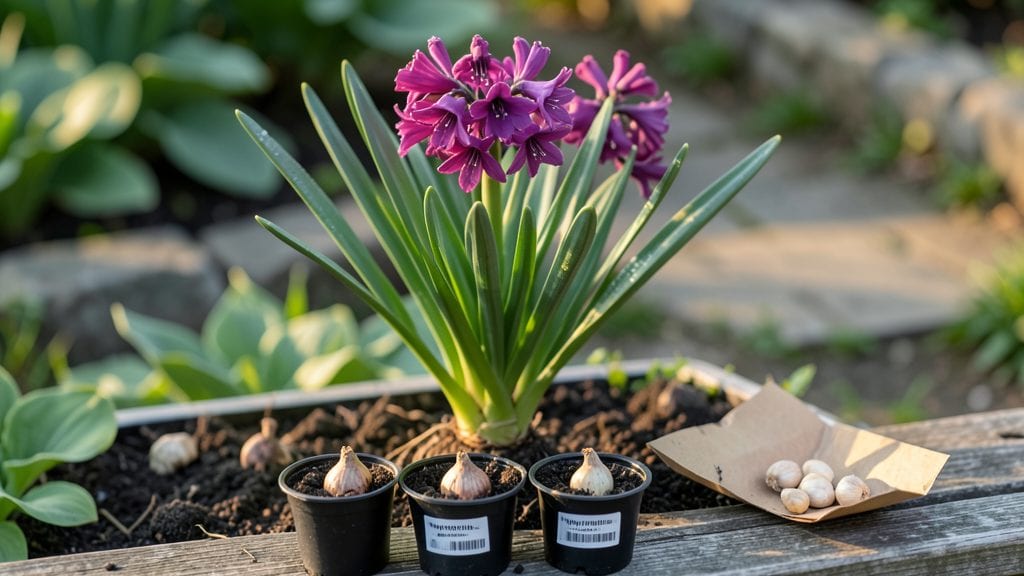
Growing hyacinths from seed isn’t just possible—it’s a rewarding challenge that turns a simple packet into fragrant, showstopping blooms years down the road. 🌱 I’ve learned the hard way that these little seeds demand patience, but the payoff of homegrown hyacinths in every season makes it worth the wait.
The key isn’t rushing them; it’s understanding their slow, steady rhythm.
You’ll need a bright spot, a mix of gritty potting soil, and a steady hand for thinning seedlings—no fancy tools required. Most gardeners skip seeds entirely for hyacinths, opting for bulbs instead, but growing from seed unlocks rare varieties and the pure joy of watching something start from almost nothing.
Germination can take months, so start early and keep expectations realistic.
By year three, you’ll see those first delicate spikes pushing through the soil, followed by clusters of intoxicating blooms that last weeks indoors. The scent alone makes the years of nurturing worthwhile, and you’ll have plants that multiply naturally over time.
This isn’t a quick project—it’s a long-term relationship with a flower.
Perfect for gardeners who love slow victories and the thrill of growing something most people buy pre-made. Let’s get those seeds started and begin the journey to your own fragrant, homegrown hyacinths.
📚 In This Guide
- What you need
- Instructions
- Tips and common mistakes
- Wrapping up and next steps
What you need
- ● Hyacinth seeds: Choose high-quality, fresh seeds (preferably from a reputable supplier). Aim for 5–10 seeds to ensure a good yield.
- ● Seed-starting trays or small pots: Use 2–3 inch pots or a seed tray with drainage holes. 6–12 cells should suffice for your seed count.
- ● Well-draining potting mix: A lightweight, sterile mix (e.g., 50% peat moss, 30% perlite, 20% vermiculite) works best. Avoid garden soil—it can compact and retain too much moisture.
- ● Clear plastic dome or plastic wrap: For creating a humid microclimate while seeds germinate.
- ● Spray bottle: A fine-mist sprayer to keep seeds moist without overwatering.
- ● Grow lights or sunny windowsill: Hyacinth seeds need 12–16 hours of light daily. A full-spectrum LED grow light is ideal if natural light is limited.
- ○ Heat mat (optional but helpful): Maintains soil temps at 65–75°F (18–24°C) to speed up germination.
- ● Fertilizer: A balanced, water-soluble fertilizer (e.g., 10-10-10) diluted to half-strength for young seedlings.
- ● Seedling labels: Small markers or toothpicks to track varieties.
- ● Humidity tray: A shallow tray with pebbles and water to boost humidity.
- ● Fungicide (e.g., neem oil or hydrogen peroxide): Prevents damping-off disease in damp conditions.
- ● Transplanting tools: A small trowel or spoon for delicate seedling moves.
- ● Cooling period setup: A refrigerator (for vernalization if needed—some hybrids benefit from a 6–8 week cold treatment before blooming).
Step-by-Step instructions for growing hyacinths from seed
Hyacinths from seed demand time and care, but the reward of fragrant blooms is worth every step.
🌱 Step 1: Stratify Seeds for Successful Germination
Hyacinth seeds need cold stratification to break dormancy—this mimics winter conditions. Place the seeds in a paper towel or moistened sand inside a sealed plastic bag. Store them in your refrigerator's crisper drawer for 8-12 weeks at 35-40°F. This cold treatment ensures strong roots when germination begins.
Check the seeds every 2-3 weeks—they should feel damp but not soggy. If the towel dries out, mist it lightly and reseal the bag. Once the stratification period ends, you'll be ready to sow. This step is critical—skipping it results in weak, slow-growing seedlings that may never bloom.
💧 Step 2: Sow Seeds in a Sterile, Well-Draining Mix
Fill a 4-inch pot with a sterile seed-starting mix (never garden soil—it can harbor fungus). Press the mix lightly to remove air pockets but keep it loose. Plant 2-3 seeds per pot at a depth of ¼ inch, spacing them ½ inch apart. Gently firm the soil around them to ensure good contact.
Water the pot thoroughly until moisture seeps from the drainage hole, then place it in a humidity dome or cover it with plastic wrap to retain warmth. Keep the soil consistently moist—not soggy—by misting as needed. Hyacinth seedlings are delicate; overwatering causes rot, while too little moisture stunts growth.
☀️ Step 3: Provide Warmth and Light for Early Growth
Place the pots in a warm location (around 65-70°F) with bright, indirect light. A seedling heat mat speeds germination, which typically takes 4-8 weeks. Avoid direct sunlight—it can scorch tender seedlings. If using a grow light, position it 3-4 inches above the plants for 12-14 hours daily.
Once the first true leaves appear (not the initial cotyledons), remove the humidity dome. Thin seedlings to the strongest one per pot by snipping the others at the soil line. This prevents overcrowding and ensures the remaining plant has room to develop a sturdy bulb.
🪴 Step 4: Transition to Larger Pots and Outdoor Conditions
After 6-8 weeks, transplant seedlings into 6-inch pots with fresh potting mix. Handle the roots gently—hyacinths resent disturbance. Place the pots in a sheltered outdoor spot (like a patio or greenhouse) for 2-3 hours daily, gradually increasing exposure over 2 weeks. This hardening-off process prepares them for full outdoor life.
By late summer, when the foliage yellows, reduce watering. Let the leaves die back naturally—this allows the bulb to store energy for next year’s blooms. Store the pots in a cool, dark place (like a basement) until fall, then replant outdoors in well-draining soil with full sun. Patience pays off: blooms appear in 2-3 years.
⏰ Step 5: Maintain and Encourage Future Blooms
Hyacinths thrive in full sun and well-draining soil. After planting outdoors, water deeply once a week unless rain provides moisture. Apply a balanced fertilizer (like 10-10-10) in early spring to support bulb development. Avoid over-fertilizing—it can weaken blooms.
In fall, mulch lightly to insulate bulbs through winter. By year 2 or 3, your hyacinths will reward you with fragrant clusters—proof that seed-grown blooms are worth the wait. Deadhead spent flowers but leave foliage until it yellows to ensure next year’s growth.
Tips & tricks for perfect hyacinth cultivation from seed
Hyacinths from seed are a rewarding but delicate process—these insider tips will help you navigate the challenges and maximize your success.
Stratification Precision: The 8-12 week cold stratification at 35-40°F is non-negotiable, but consistency matters just as much as duration. I use a small plastic bag with a damp paper towel folded around the seeds—this creates a microclimate that maintains even moisture without sogginess. Place the bag in a sealed container to prevent drying, and check every 2-3 weeks by gently squeezing the towel. If it feels damp like a wrung-out sponge, you're golden. Too dry? Mist lightly and reseal immediately.
Seed Starting Intelligence: In Step 2, the sterile seed-starting mix is your first line of defense against fungal issues, but proper spacing prevents future problems. Planting 2-3 seeds per 4-inch pot at ¼-inch depth gives you flexibility—if one fails, you've got backups. The key is the ½-inch spacing between seeds; this prevents root competition later when you thin. I've learned the hard way that crowded seedlings develop weak, tangled roots that struggle to form proper bulbs.
Light Management: The 65-70°F warmth and bright indirect light in Step 3 are critical, but timing matters just as much. Position your grow light 3-4 inches above the seedlings and set a timer for 12-14 hours daily—this mimics natural daylight cycles and prevents leggy growth. I've found that seedlings grown under grow lights develop stronger stems than those relying solely on natural light, especially in early spring when daylight is limited. Watch for the first true leaves (they'll look like miniature grass blades) before removing the humidity dome—this is your cue that the seedlings are ready for slightly drier conditions.
Hardening Off Strategy: The gradual 2-week transition to outdoor conditions in Step 4 is where many gardeners rush and regret it. Start with just 2-3 hours of sheltered exposure on the first day, then increase by 30 minutes each subsequent day. I place my pots on a shaded patio where they get dappled sunlight—this mimics natural forest understory conditions where hyacinths originally thrived. The goal is to toughen the seedlings without shocking them; think of it as a gentle introduction to the elements rather than a sudden immersion.
Pro Tips for Hyacinth From Seed
- Hyacinths from seed are a rewarding but delicate process—these insider tips will help you navigate the challenges and maximize your success.
- Stratification Precision: The 8-12 week cold stratification at 35-40°F is non-negotiable, but consistency matters just as much as duration.
- Seed Starting Intelligence: In Step 2, the sterile seed-starting mix is your first line of defense against fungal issues, but proper spacing prevents future problems.
Frequently asked questions
Got questions about growing hyacinths from seed? You’re not alone—this method takes patience, but the rewards are worth it! Below, we’ve answered the most common queries to help you troubleshoot, plan, and succeed in your hyacinth-growing journey.
How long does it take for hyacinth seeds to germinate?
Hyacinth seeds can take 4–12 weeks to germinate, depending on temperature and moisture. Keep the soil consistently moist (but not soggy) and maintain a warm environment (around 65–75°F). Patience is key—some seeds may surprise you with faster sprouting!
Can I grow hyacinths from seed indoors year-round?
Yes! Start seeds indoors 10–12 weeks before your last frost for spring blooms. Use grow lights if natural light is limited, and transplant seedlings outdoors after the last frost. For winter blooms, start seeds in late summer and overwinter them in a cool, bright spot.
Why aren’t my hyacinth seedlings growing tall or flowering?
Slow growth or no flowers often mean insufficient light, nutrients, or cold treatment. Hyacinths need 6–8 hours of sunlight daily and a period of cool temperatures (40–50°F) to trigger blooming. Fertilize lightly with a balanced formula (10-10-10) every 4–6 weeks.
Are there faster alternatives to growing hyacinths from seed?
If you’re eager for blooms, consider buying mature bulbs instead of seeds—bulbs flower in 1–2 years vs. seeds’ 3–5 years. Alternatively, propagate from offsets (bulbils) for quicker results, though they may not match the parent plant’s exact traits.
What’s the best way to prevent mold or rot in hyacinth seedlings?
Overwatering and poor drainage are the top culprits. Use a well-draining mix (like perlite + peat moss) and water only when the top inch of soil feels dry. Ensure pots have drainage holes, and avoid crowded containers—seedlings need space to breathe!
Wrapping up and next steps
Growing hyacinths from seed may take time, but the reward of fragrant, vibrant blooms is worth every moment of patience!
With the right soil, light, and care, you’ll soon enjoy a stunning display of color year after year. Ready to dive in? Start by gathering your seeds and supplies, then follow the steps with confidence—your future garden will thank you! 🌱✨
For even more success, join a gardening community or explore advanced techniques like forcing bulbs indoors. Happy growing!