How To
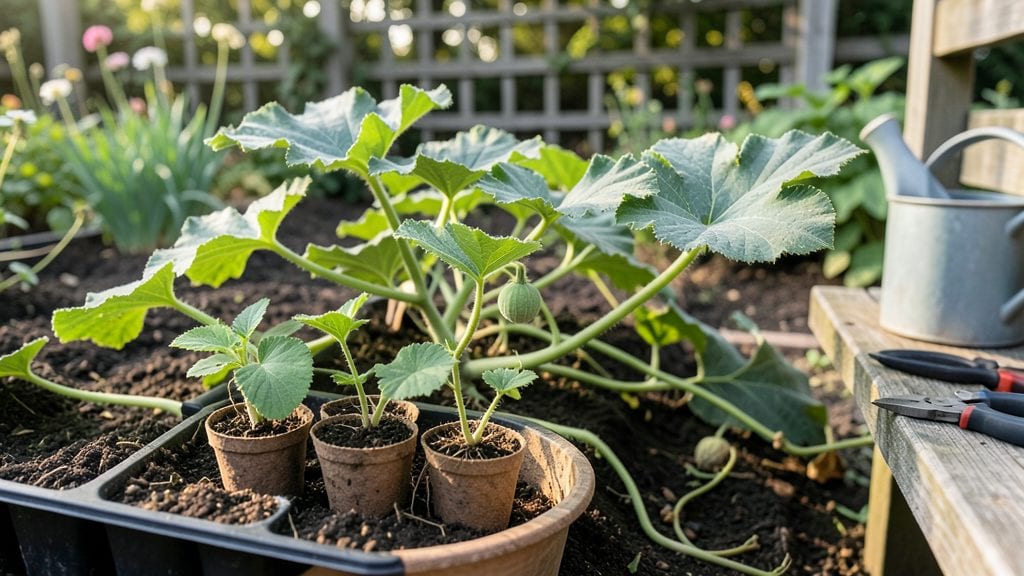
Growing cantaloupe from seeds takes about 75 to 90 days from sprout to harvest, but the real magic happens in those early weeks when tiny seeds transform into sprawling vines.
Picture this: you tuck those seeds into warm soil in April or May, and by mid-summer, you're snapping off ripe, fragrant 🍈 melons. But here's the catch—skipping a step or two (like proper sunlight or soil warmth) can stretch that timeline by weeks.
I’ve seen firsthand how a few extra degrees or a missed watering can turn a 75-day harvest into a 90-day wait.
This guide breaks down every stage—from the first green shoot to that perfect moment when the melon slips free from the vine—so you know exactly what to expect and how to keep things on track.
You’ll learn the key milestones (like flowering and fruit set), the factors that speed up or slow down growth, and the simple tricks to ensure your cantaloupe matures faster and sweeter than ever.

Cantaloupe growth stages: timeline from seed to harvest
Growing cantaloupe from seed is like watching a sweet symphony unfold—each stage brings new life and anticipation. The journey from seed to harvest typically spans 75 to 90 days, but understanding each phase helps you optimize care and troubleshoot delays.
Whether you're a first-time grower or a seasoned gardener, knowing what to expect at every turn ensures success.
From the first tiny sprout breaking through soil to the heavy, fragrant melon ready for harvest, cantaloupes progress through distinct stages. Each phase demands specific attention—whether it’s warmth for germination, sunlight for vine growth, or patience during fruit ripening.
Let’s break down the timeline so you can track progress like a pro.
📋 summary-table
| Stage | Days to Complete | Key Milestones | Care Tips |
|---|---|---|---|
| Germination | 5–10 days | Seeds sprout; first leaves appear | Keep soil warm (70°F+), moist |
| Seedling Growth | 14–21 days | True leaves emerge; vines strengthen | Thin seedlings to 2–3 ft apart; add mulch |
| Vine Establishment | 21–30 days | Vines spread 3–6 ft; tendrils develop | Stake or trellis vines; fertilize lightly |
| Flowering | 10–14 days | Yellow flowers bloom; pollination occurs | Hand-pollinate if needed; avoid overwatering |
| Fruit Development | 30–40 days | Fruits grow from 1" to 6–8" | Water deeply; monitor for pests |
| Ripening | 14–21 days | Rind dulls; stem dries; sweet scent | Harvest promptly; avoid overripening |
The first stage, germination, is all about warmth and moisture. Cantaloupe seeds need soil temperatures of at least 70°F (21°C) to sprout within 5–10 days. If your spring soil is cooler, consider using a seedling heat mat or waiting until late May to plant.
During this phase, keep the soil consistently moist but avoid waterlogging—soggy conditions can suffocate young sprouts.
Once sprouted, seedlings enter the seedling growth phase, where true leaves replace the initial seed leaves. This stage lasts 14–21 days and is critical for root development. Thin seedlings to 2–3 feet apart to give each plant room to thrive.
If you’re growing in containers, ensure pots are at least 12 inches deep to accommodate sprawling roots.
By day 21–30, your cantaloupe plants will enter vine establishment, where vines spread aggressively. This is when you’ll see tendrils and the classic cantaloupe foliage. Use mulch to retain moisture and suppress weeds, and consider trellising if space is limited.
Vines can stretch 3–6 feet, so plan accordingly—whether in a garden bed or raised planter.
Around day 35–45, you’ll spot the first yellow flowers, signaling the flowering stage. This phase lasts 10–14 days and requires careful attention. Cantaloupes are self-pollinating, but bees and wind help too.
If your garden lacks pollinators, gently shake flowers in the morning to aid pollination. Overwatering now can cause blossom end rot, so water at the base and avoid wetting leaves.
The fruit development stage begins after pollination and lasts 30–40 days. You’ll notice small fruits growing from the vines, starting as 1-inch globes and expanding rapidly. This is when cantaloupes demand consistent moisture—deep watering every 3–5 days prevents cracking.
Watch for pests like cucumber beetles and squash bugs, which can damage young fruits. Neem oil or row covers can help deter them.
Finally, the ripening stage (days 75–90) is where patience pays off. Look for dull rinds, a dry stem, and a sweet aroma near the blossom end. The fruit should slip easily from the vine when gently twisted.
Harvest too early, and the melon won’t be sweet; leave it too long, and it may overripen or attract pests. A ripe cantaloupe is a masterpiece of nature’s sweetness—worth every day of waiting!
Understanding these stages helps you anticipate needs, from thinning seedlings to hand-pollinating flowers. Each phase offers clues about what’s coming next—so keep your eyes on the vines and your fingers ready to harvest. With this timeline, you’ll go from seed to juicy, sun-ripened cantaloupe in no time! 🌱
Factors that speed up or delay cantaloupe harvest time
Your cantaloupe’s journey from seed to harvest isn’t just about waiting—it’s about creating the perfect conditions. Climate, soil quality, and even sunlight exposure can shave weeks off your harvest timeline or stretch it beyond expectations.
For example, a 75-day variety like 'Athena' might take 90 days in cooler climates, while a heat-loving hybrid like 'Hale’s Best' thrives in 80°F+ temperatures and speeds up fruit development. Let’s break down the key factors and how to optimize them.
First, soil temperature is non-negotiable. Cantaloupe seeds need soil that’s at least 70°F (21°C) to germinate—any cooler, and you’ll face slow germination or even rot. I’ve learned the hard way that planting too early in Zone 6 can delay harvest by 2-3 weeks.
Use a soil thermometer to check before planting, and consider black plastic mulch to warm the soil faster. Even a 5°F difference can impact growth speed significantly.
Now, let’s talk sunlight—because cantaloupes are sun worshippers. They need 6-8 hours of direct sunlight daily, but partial shade (even from nearby plants) can stretch your harvest by 10-15 days. My south-facing raised beds yield cantaloupes 2 weeks earlier than my shadier in-ground plots.
If you’re growing in containers, place them where they get unobstructed morning sun, as afternoon shade helps prevent fruit sunscald.
- 🌡️ Soil Temp ≥70°F (21°C): Seeds germinate in 5-7 days; cooler soil delays by 1-2 weeks.
- ☀️ 6-8 hours of sun: Full sun cuts harvest time by 10-15 days vs. partial shade.
- 💧 1-1.5 inches of water weekly: Consistent moisture speeds fruit growth; drought stress adds 2+ weeks.
- 🌱 Variety selection: Early varieties (e.g., 'Athena') harvest in 75 days; heirlooms (e.g., 'Muskett') take 90+ days.
- 🌡️ Daytime temps 80°F+: Ideal for flowering/fruiting; below 70°F slows development.
Watering habits play a surprising role too. Cantaloupes need deep, consistent moisture, especially during flowering and fruiting. I’ve seen drought-stressed plants take 3 weeks longer to produce ripe fruit because their energy goes into survival, not sweet melons.
Water at the base of plants in the morning to prevent fungal issues, and avoid wetting leaves—this keeps vines healthy and speeds up fruit set. A drip irrigation system is my go-to for even moisture without overwatering.
Don’t overlook fertilizer timing, either. Too much nitrogen early on will give you leafy vines but no fruit, while a balanced 10-10-10 fertilizer applied at flowering stage boosts sweetness and hastens ripening.
I fertilize my cantaloupes every 4-6 weeks with compost tea, and it’s made a noticeable difference in harvest speed. Avoid high-phosphorus fertilizers—they can delay flowering by up to 10 days.
Finally, variety choice is your secret weapon. Hybrid varieties like 'Hale’s Best' are bred for disease resistance and speed, often harvesting 10-15 days earlier than heirlooms. If you’re in a short growing season, opt for early-maturing types like 'Ambrosia' (70 days) instead of 'Muskett' (90+ days).
I’ve even tried trellising cantaloupes to save space, which can accelerate ripening by reducing competition for nutrients.
By mastering these factors, you’ll turn that 75-90 day estimate into a predictable, bountiful harvest. Start with warm soil and full sun, then fine-tune with consistent watering and fertilizer, and you’ll be slicing into juicy cantaloupes in record time. Happy growing! 🍈