How To
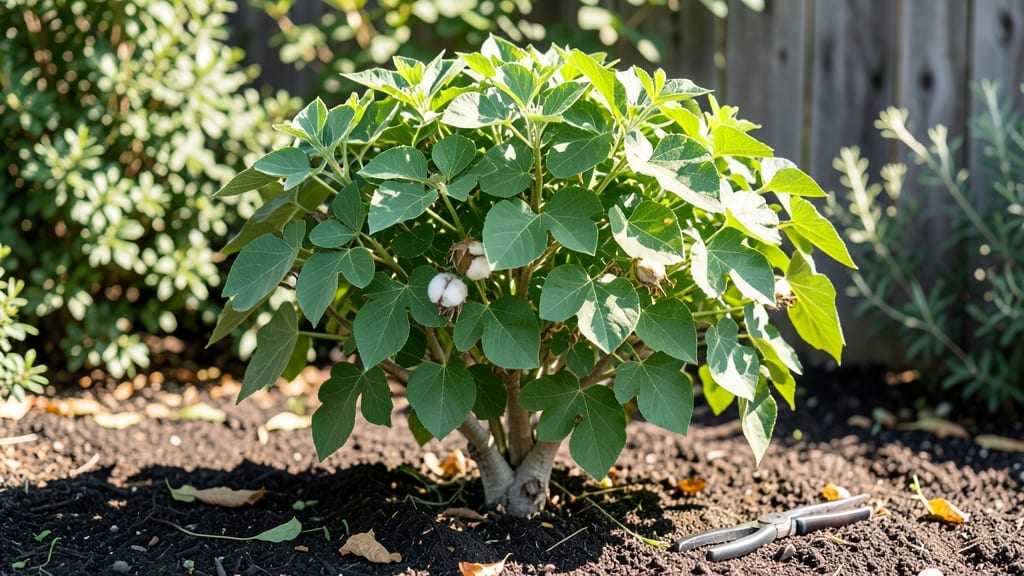
Growing a cotton seed tree from seed requires warm climates, well-drained soil, and patience—plant seeds ½ inch deep in spring after frost, keep soil moist, and expect germination in 10-20 days. Transplant seedlings outdoors only after temperatures stay above 60°F consistently.
Cotton seed trees thrive in regions where summers are hot and winters are mild, making them perfect for gardeners in zones 8 through 11. 🌿 These trees need loose, sandy soil that drains quickly to prevent root rot—a common issue for beginners.
I’ve found that starting seeds indoors in biodegradable pots gives them a head start, especially if you live in cooler climates. Once established, they’ll reward you with lush foliage and—if you’re lucky—cotton bolls in their second or third year.
What sets cotton seed trees apart is their dual-purpose nature: they’re not just ornamental but also functional. The seeds can be used for planting more trees or even for crafts, though they’re not typically harvested for commercial cotton production.
Patience is key here, as these trees grow slowly at first but eventually reach heights of 15 to 20 feet with proper care.
💡 In This Article
- Optimal Growing Conditions for Cotton Seed Trees
- Caring for Young Cotton Seed Tree Saplings
Optimal growing conditions for cotton seed trees
The cotton seed tree thrives in USDA hardiness zones 8 through 11, where average winter temperatures stay above 30°F and summers consistently reach 85°F or warmer. This range mirrors the tree's natural habitat in subtropical and tropical regions, where it experiences long, hot growing seasons.
The key factor here is heat accumulation—cotton seed trees require at least 120 frost-free days annually to complete their growth cycle and produce cotton bolls. In cooler zones, gardeners often grow them as container plants that can be moved indoors during winter.
Soil composition plays a critical role in preventing root diseases that plague many beginners. These trees prefer sandy loam soil with a pH between 6.0 and 7.5, which mimics their native growing conditions. The sandy texture ensures excellent drainage while retaining enough moisture to support root development.
I've noticed that adding 10-20% perlite or coarse sand to heavier clay soils creates the ideal growing medium. A quick test for proper drainage is the "percolation test"—if water drains through a 6-inch soil column in under 30 minutes, your soil is suitable.
Sunlight needs are non-negotiable for cotton seed trees, which demand full sun exposure (6-8 hours daily). The tree's broad leaves have a high photosynthetic rate that requires intense light to maintain their vibrant green color and support flowering.
In my experience, even partial shade can lead to leggy growth and reduced cotton production. When planting, choose locations with southern or western exposure where the tree receives unobstructed sunlight throughout the day.
Young seedlings benefit from gradual acclimatization to full sun—start with 4-5 hours daily and increase by 1 hour weekly to prevent sunburn.
Watering follows a precise schedule that balances moisture needs without waterlogging roots. Newly planted trees require 1-1.5 inches of water weekly, with deeper waterings every 5-7 days during establishment. The secret here is watering deeply but infrequently—this encourages deep root growth that makes the tree more drought-tolerant over time.
Mature trees typically need water only when the top 2-3 inches of soil feel dry. A helpful trick is to use a moisture meter or simply check soil moisture by hand—cotton seed trees show stress through yellowing leaves when underwatered.
Fertilization should mirror the tree's natural nutrient needs, with a focus on balanced NPK ratios (10-10-10) during active growth phases. Apply fertilizer in early spring and again after flowering begins, using ½ pound per 100 square feet of soil area.
Organic options like composted manure or bone meal provide slow-release nutrients that prevent over-fertilization. What most people don't realize is that cotton seed trees are sensitive to excess nitrogen, which promotes leafy growth at the expense of cotton production. Always follow package instructions precisely and avoid fertilizing during drought conditions.
For maximum flowering potential, maintain consistent care throughout the growing season. The tree's flowering cycle begins when daytime temperatures exceed 75°F consistently, typically in late spring or early summer. At this stage, reduce watering slightly to encourage bud formation while maintaining soil moisture.
Prune selectively to remove dead or crossing branches, which improves air circulation and sunlight penetration to the inner canopy. This practice not only enhances flowering but also creates a more compact, attractive tree shape.