Pests and Diseases
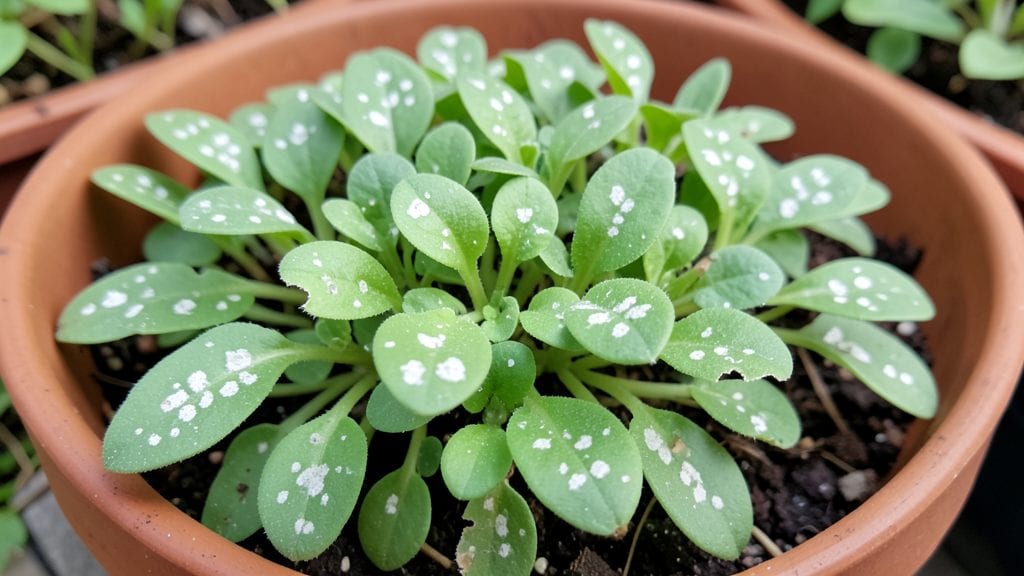
White spots on seedling leaves don’t mean your garden dreams are over—this is how I’ve saved dozens of seedlings from powdery mildew before it spreads. The fuzzy white patches might look harmless, but they’ll choke your plants if you ignore them.
I’ve treated everything from basil to tomato starts with the same simple methods, and I’ll show you exactly how to stop it in its tracks.
The culprit is usually powdery mildew, a fungal infection that thrives in humid, low-light conditions. It’s not just seedlings—it attacks mature plants too, but young leaves are especially vulnerable. The good news?
You can cure it with 3 easy steps that work for both indoor grow lights and outdoor beds, without harsh chemicals if you prefer organic solutions. My seedlings bounce back faster than you’d expect once you remove the infected leaves and adjust airflow.
By the time you’re done, your seedlings will be thriving again with fresh, spot-free foliage in just 7-10 days. The key is catching it early—once the white dust spreads to stems, recovery takes longer.
I’ll walk you through sprays, pruning, and prevention tricks that keep your seedlings strong, whether you’re growing in trays or transplanting outdoors.
This works for tomatoes, peppers, herbs, and even delicate flowers—no matter what you’re growing, the same principles apply. Let’s get those seedlings back on track before the spots take over.
Root Causes Of Leaf Spots
White spots on young leaves aren’t just a cosmetic issue—they’re often a red flag from your seedlings’ environment or biology. Understanding the why behind these spots is the first step to treating them effectively. Here’s a breakdown of the most common culprits, explained in plain terms with actionable insights.
Fungal spores are the #1 cause of white spots on seedlings, and powdery mildew is the most notorious offender. These microscopic fungi thrive in warm, humid conditions and spread like wildfire when airflow is poor.
- How it happens: Spores land on leaves, germinate, and form a white, powdery coating that blocks sunlight. Over time, the spots expand, turning yellow or brown as the leaf tissue dies.
- Key triggers:
- High humidity (70%+ for prolonged periods)
- Poor air circulation (crowded seedlings or enclosed spaces)
- Overhead watering (keeps leaves wet, inviting fungal growth)
- Weak seedlings (stressed plants are easier targets)
- Actionable tip: Isolate infected seedlings immediately to prevent spores from jumping to healthy plants. Use a fan to improve airflow and avoid watering leaves directly.
While less common than fungi, bacterial infections can cause white or grayish spots that often ooze a yellowish liquid when pressed. These spots spread quickly and can kill seedlings if ignored.
- How it happens: Bacteria like Pseudomonas or Xanthomonas enter through wounds (e.g., damaged leaves) or natural openings (stomata). They multiply rapidly in moist conditions, causing leaf necrosis.
- Key triggers:
- Contaminated water or tools (pruners, gloves)
- Rain or overhead irrigation (creates a bacterial bath)
- High nighttime temperatures (bacteria thrive at 75–85°F)
- Actionable tip: Sterilize tools with rubbing alcohol between uses and water at the soil base (not the leaves). Remove severely infected seedlings to stop the spread.
Sometimes, white spots aren’t caused by pathogens at all—they’re a sign of abiotic stress, where environmental factors damage leaf cells without an infection.
| Cause | How It Looks | Why It Happens |
|---|---|---|
| Excessive Heat | White, crispy spots (like sunburn) | Direct sunlight or high temps (>90°F) cause photoxidative damage, where light energy overwhelms the chlorophyll. |
| Chemical Burn | Irregular white patches or bleaching | Overuse of fertilizers (especially salt-based) or harsh pesticides disrupts cell membranes. |
| Water Stress | White, dry edges or blotches | Underwatering or overwatering (leading to root rot) starves leaves of nutrients, causing cell death. |
Actionable tip: Adjust growing conditions—provide shade cloth for heat stress, flush soil with water to reduce salt buildup, and maintain even moisture (check soil every 2–3 days).
While nutrient deficiencies usually cause yellowing (chlorosis), severe deficiencies in magnesium, calcium, or zinc can lead to white or necrotic spots—especially on younger leaves.
- Magnesium Deficiency: White patches between leaf veins (interveinal chlorosis) due to disrupted chlorophyll production.
- Calcium Deficiency: White, dead spots at leaf edges (often with curled tips) from poor cell wall structure.
- Zinc Deficiency: Small white or yellow spots (especially on new growth) because zinc is critical for enzyme function.
Actionable tip: Test your soil and amend with chelated nutrients. For quick fixes, use Epsom salt (magnesium) or calcium nitrate (follow package rates).
Now that you know the why, the next step is identifying the exact cause and treating it before it spreads. Most issues start small—don’t wait until your seedlings look like a science experiment gone wrong!
Quick Fixes for Fungal & Disease Spots
Now that you’ve identified the cause of those pesky white spots on your seedlings, it’s time to act—before the problem spreads! Below are targeted solutions for each common culprit, along with prevention tips to keep your young plants thriving. 🌱✨
Fungal spots often look like white powder, yellow patches, or rusty splotches—and they multiply fast in damp conditions. Here’s how to tackle them:
🔥 Immediate Treatment Steps
- Prune & Isolate Infected Leaves
- Use sterilized scissors (wipe with rubbing alcohol) to snip off severely spotted leaves.
- Remove debris immediately to prevent spores from lingering.
- Apply Fungicidal Sprays - Baking Soda Solution (cheap & effective): Mix 1 tsp baking soda + 1 quart water + a few drops of dish soap (as a surfactant).
Spray early morning (avoid direct sunlight—it burns leaves). - Neem Oil Spray (natural fungicide): Combine 1 tbsp neem oil + 1 tsp mild soap + 1 quart water.
Shake well and spray every 5–7 days until spots disappear. - Commercial Fungicides (for severe cases): Use copper-based sprays (like Copper Soap) or sulfur-based fungicides (follow label instructions).
- Improve Air Circulation
- Space seedlings 2–3 inches apart (crowding = fungal paradise).
- Use a small fan on low setting (24/7) to dry leaves faster.
🌡️ Prevention Tips
- Water at the base (never overhead—wet leaves = fungal buffet).
- Avoid overhead irrigation (drip systems or watering cans with nozzles work best).
- Rotate crops if reusing containers (fungi love recycled soil).
- Sterilize tools & pots between uses (bleach solution: 1 part bleach to 9 parts water).
Tiny pests leave white webbing, tiny dots, or sticky residue—here’s how to evict them:
👨🍳 Step-by-Step Pest Control
- Blast Off Pests with Water
- Hold seedlings under a strong spray nozzle (or use a hose on gentle setting) to knock off mites/aphids.
- Introduce Beneficial Insects
- Ladybugs (eat aphids) or predatory mites (control spider mites) can be bought online or at garden centers.
- Use Insecticidal Soap
- Mix 2.5 tbsp castile soap + 1 quart water. Spray directly on pests (avoid overspray—it can harm seedlings).
- Sticky Traps for Flying Pests
- Place yellow sticky cards near seedlings to catch whiteflies.
💡 Pro Tips to Keep Pests Away
- Inspect new plants before bringing them indoors (quarantine for 2 weeks).
- Avoid over-fertilizing (soft, sappy leaves attract pests).
- Use reflective mulch (aluminum foil or silver plastic) to deter whiteflies.
White spots from fertilizer salt buildup or bleach/salt exposure need a gentle cleanup:
🧼 How to Flush Out Chemicals
- Rinse Leaves Gently
- Use room-temperature water and a soft brush to wipe off white residue.
- Repot in Fresh Soil
- If soil is contaminated, transfer seedlings to a new, sterile potting mix.
- Adjust Fertilizer Routine
- Dilute fertilizer to half-strength for seedlings (they’re sensitive!).
- Flush soil monthly with water to prevent salt buildup.
✨ Prevention for Future Grows
- Test soil pH (aim for 6.0–7.0 for most seedlings).
- Use organic fertilizers (like fish emulsion) for slower, safer nutrient release.
- Avoid touching leaves when applying chemicals (residue can burn tender foliage).
- Fungal issues: Should improve in 7–10 days with consistent spraying.
- Pest outbreaks: May take 3–5 days to see a decline (reapply treatments as needed).
- Chemical burns: New growth should look normal in 1–2 weeks.
🔍 Pro Tip: Keep a plant journal to track what worked (and what didn’t) for next time!
Remember: The key to healthy seedlings is early action + prevention. Once you spot those white spots, act fast—your future harvest depends on it! 🌿💪
Frequently asked questions
Are white spots on seedling leaves always caused by fungus?
Not always! While powdery mildew is the most common culprit, white spots can also result from pests (like spider mites), bacterial infections, or environmental stress (heat, chemical burns, or nutrient deficiencies). Always check for other symptoms like webbing, oozing liquid, or leaf curling to narrow down the cause.
Can I save seedlings with severe white spot damage?
It depends on the cause. For fungal infections, prune affected leaves immediately and treat with neem oil or baking soda spray. If the issue is bacterial or pest-related, isolate the plant and apply targeted solutions. However, if more than 50% of the leaves are damaged, the seedling may not recover, and it’s better to remove it to prevent spread.
How often should I spray fungicide on seedlings?
For preventive care, spray every 5–7 days if you’re in a humid environment or using organic methods like neem oil. If treating an active infection, apply every 3–4 days until the spots disappear. Always spray in the early morning to avoid leaf burn from sunlight.
Will white spots on seedlings spread to mature plants?
Fungal spores and pests don’t discriminate—they’ll happily jump from seedlings to mature plants if left untreated. Isolate infected seedlings immediately, sterilize tools, and improve airflow to prevent cross-contamination. Once mature plants are infected, treatment becomes much harder.
Can I reuse soil from infected seedlings?
Only if you sterilize it first! Fungal spores and bacteria can survive in soil for months. To reuse it, bake the soil in the oven at 200°F for 30 minutes or treat it with a 10% hydrogen peroxide solution (1 part peroxide to 9 parts water). For peace of mind, repot seedlings in fresh, sterile mix.