How To
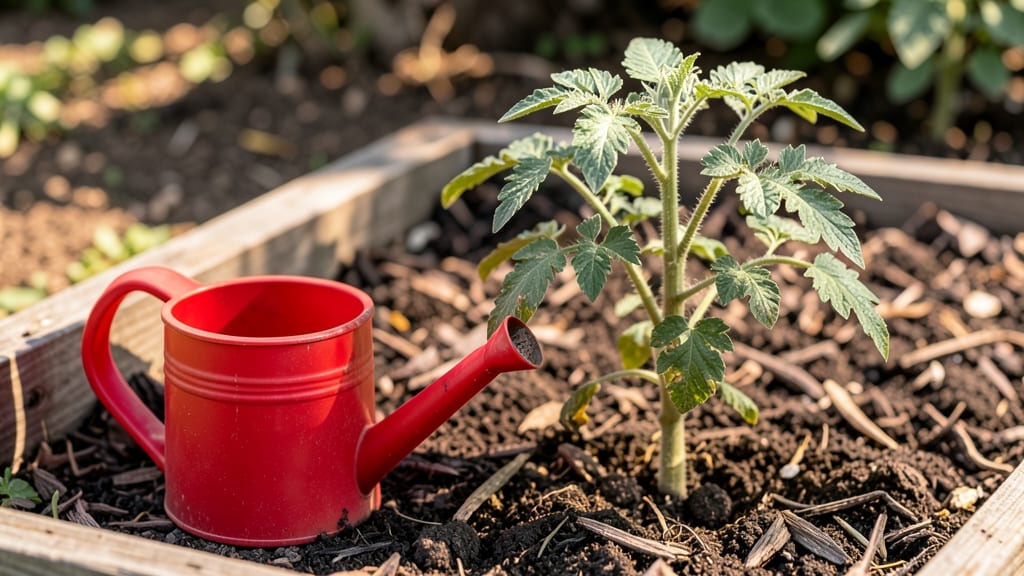
Tomato seedlings with leaves curling down can feel like a death sentence, but I’ve nursed back dozens of plants from this exact problem—even when they looked hopeless. 🌱 The good news? Most causes are fixable with simple adjustments, and the right diagnosis saves you from throwing out healthy plants.
My first year, I lost three trays to this issue before I learned the key differences between overwatering, pests, and nutrient stress.
The culprit is usually one of three things: too much water making roots suffocate, tiny pests like spider mites sucking sap, or a lack of nitrogen when seedlings stretch too fast.
You’ll spot the difference by checking the soil moisture, flipping leaves for webs or specks, and looking at the plant’s overall color—yellowing means one fix, brown edges another. The solutions are straightforward once you know what to look for.
Within a week of fixing the problem, you’ll see leaves perking up again—sometimes even overnight if it’s just environmental stress. My most stubborn case turned around after I swapped soggy soil for a drier mix and sprayed neem oil for hidden pests.
The key is acting fast before the plant’s energy reserves drain completely. You’ll end up with sturdy, dark-green seedlings ready for transplanting.
This works for both indoor starts and greenhouse seedlings, and the same principles apply whether you’re growing heirlooms or hybrids. The only variable is how quickly you spot the issue—so keep a close eye on those little leaves. Let’s get those seedlings back on track!
Root Causes Of Leaf Curl
Understanding why your tomato seedling leaves are curling downward starts with identifying the primary stressors at play. These issues often stem from environmental, biological, or physiological imbalances. Below, we break down the most common culprits—each with a clear scientific explanation and actionable insights to help you diagnose the problem accurately.
Tomato seedlings thrive in consistent temperatures between 60–75°F (15–24°C). When exposed to sudden heat spikes (above 85°F/29°C) or cold drafts (below 50°F/10°C), their leaves curl as a protective response.
- Why it happens: High temperatures increase transpiration rates, causing water loss faster than roots can absorb it. Cells lose turgor pressure, leading to wilting and curling.
Cold stress disrupts enzyme activity, slowing growth and triggering leaf curling as a survival mechanism. - Actionable fix: - Move seedlings to a shaded area during peak sun (use row covers or shade cloth). - Avoid placing them near heat sources (e.g., engines, compost piles). - Use self-watering pots to maintain moisture consistency.
Both overwatering and underwatering can cause leaf curl, but for different reasons.
| Issue | Why It Happens | Fix |
|---|---|---|
| Underwatering | Soil dries out, roots struggle to absorb water. Cells lose turgor, causing curl. | Water deeply 1–2 inches into soil when the top inch feels dry. Use mulch to retain moisture. |
| Overwatering | Roots suffocate from poor drainage, leading to root rot (fungal/bacterial). Leaves curl as a distress signal. | Ensure pots have drainage holes; water only when the top 1–2 inches are dry. Use well-draining soil mixes. |
| Inconsistent Moisture | Fluctuating water levels stress seedlings, triggering osmotic imbalance in cells. | Use a moisture meter or stick your finger in the soil to check consistency. |
Tiny pests like aphids, spider mites, and whiteflies feed on sap, injecting toxins that cause leaves to curl, yellow, or distort.
- Why it happens:
- Aphids excrete honeydew, attracting sooty mold and further stressing the plant.
- Spider mites thrive in dry, hot conditions, piercing cells and causing stippling (tiny white/yellow dots) before curling occurs.
- Whiteflies weaken seedlings by sapping nutrients, leading to stunted growth and curled leaves.
- Actionable fix:
- Inspect leaves under a magnifying glass for pests.
- Spray with neem oil (1 tsp per liter of water) or insecticidal soap every 3–5 days.
- Introduce beneficial insects like ladybugs or lacewings for natural control.
Tomato seedlings need a balanced diet of nitrogen (N), phosphorus (P), and potassium (K). Imbalances—whether from deficiencies or over-fertilization—can cause curling.
| Nutrient Issue | Symptoms | Solution |
|---|---|---|
| Nitrogen (N) Deficiency | Older leaves yellow (chlorosis) and curl downward. Growth stunts. | Apply balanced fertilizer (10-10-10) or compost tea. Avoid over-fertilizing. |
| Potassium (K) Deficiency | Leaf edges brown and curl upward, then downward as stress worsens. | Use potassium-rich amendments like banana peel tea or greensand. |
| Magnesium (Mg) Deficiency | Interveinal chlorosis (yellowing between veins) + curling. | Apply Epsom salt (1 tbsp per gallon of water) every 2 weeks. |
| Salt Burn (Over-Fertilization) | Crispy, curled leaves with white crust on soil. | Flush soil with water to leach excess salts. Use rainwater for watering. |
Pathogens like early blight, late blight, or bacterial spot can cause leaves to curl as the plant fights infection.
- Why it happens:
- Fungal infections (e.g., Alternaria solani for early blight) thrive in humid, warm conditions, creating lesions that disrupt water transport.
- Bacterial spot (Xanthomonas spp.) causes water-soaked spots that expand, leading to curling and leaf drop.
- Actionable fix:
- Remove infected leaves immediately and sterilize pruners with rubbing alcohol.
- Apply copper fungicide (for bacterial issues) or baking soda spray (1 tsp baking soda + 1 quart water + a drop of soap) weekly.
- Improve airflow by spacing seedlings 12–18 inches apart.
If seedlings were recently moved, root damage or environmental changes can trigger curling.
- Why it happens:
- Root pruning during transplanting disrupts water/nutrient uptake.
- Sudden light or temperature shifts stress the plant, causing physiological drought.
- Actionable fix:
- Hardening off seedlings gradually (5–7 days of exposure to outdoor conditions).
- Water deeply before and after transplanting to reduce shock.
- Avoid fertilizing for 1–2 weeks post-transplant to let roots recover.
Quick Fixes for Curling Leaves
Now that you know why your tomato seedlings’ leaves are curling down, let’s roll up our sleeves and get them back to thriving! The right solution depends on the root cause, but don’t worry—most fixes are simple, cost-effective, and fast-acting.
Below, we’ve mapped out practical steps for each common issue, plus prevention tips to keep your seedlings lush and healthy long-term.
Fix it fast:
- 🔥 Check the soil moisture by sticking your finger 1–2 inches deep. If it’s soggy, you’re overwatering; if it’s bone-dry, you’re underwatering.
- 💧 Adjust your watering routine:
- Overwatering? Let the top inch of soil dry out between waterings. Improve drainage by adding perlite or coarse sand to pots or raised beds.
- Underwatering? Water deeply at the base (not the leaves!) until it drains from the bottom. Use drip irrigation or soaker hoses for consistent moisture.
- 🌡️ Monitor temperature: If nights are chilly, reduce watering—cool soil holds moisture longer.
💡 Pro Tip: Use a moisture meter ($10–$15) to avoid guesswork. Tomato seedlings prefer consistently moist (not soggy) soil.
Fix it fast:
- 🌿 Provide shade cloth (30–50% shade) if temps hit above 90°F (32°C). A simple white sheet or row cover works in a pinch.
- 🍳 Move seedlings to a spot with morning sun + afternoon shade (e.g., under a tree or near a north-facing wall).
- 💦 Mist leaves lightly in the early morning to cool them down (but avoid evening misting—it invites fungal diseases).
🌡️ Prevention:
- Hardening off seedlings gradually before transplanting (7–10 days of outdoor exposure) toughens them up.
- Water deeply in the morning to help roots absorb heat.
Fix it fast:
- 🔪 Blast pests off with a strong spray of water (aphids hate this!). Repeat every 2–3 days.
- 🍳 Soap spray solution:
- Mix 1 tbsp mild liquid soap (like Castile) + 1 quart water in a spray bottle.
- Test on a few leaves first—some plants are sensitive!
- Spray undersides of leaves (where pests hide) and stems.
- 🌿 Introduce beneficial insects:
- Ladybugs or lacewings devour aphids. Buy them online or attract them with dill or fennel in your garden.
- Neem oil spray (1 tsp neem oil + 1 tsp mild soap + 1 quart water) disrupts pests’ life cycles. Reapply every 5–7 days.
💡 Pro Tip: Isolate infected seedlings to prevent pests from spreading. Check new plants before bringing them home!
Fix it fast:
- ⏰ Remove infected leaves immediately (don’t compost them—bag and toss!). Fungal spores spread like wildfire!
- 🌿 Improve airflow:
- Space seedlings 12–18 inches apart (crowding = humidity = disease).
- Use fan circulation (a small USB fan on low) for 1–2 hours daily to dry leaves faster.
- 🍳 Baking soda spray:
- Mix 1 tsp baking soda + 1 tbsp oil (like vegetable or neem) + 1 quart water.
- Spray every 7–10 days (test on a few leaves first).
- 🌡️ Prevent future outbreaks:
- Water at the base only (never overhead).
- Avoid wetting leaves in the evening.
💡 Pro Tip: Copper fungicide (sprayable) is a great organic preventative—use it every 2 weeks during humid seasons.
Fix it fast:
- 📊 Test your soil with a DIY kit ($10) or send a sample to your local Cooperative Extension Service for a full analysis.
- 💪 Quick fixes:
- Nitrogen deficiency (yellow lower leaves)?
- Add compost or well-rotted manure around the base (not touching stems).
- Use a balanced fertilizer (10-10-10) at half-strength.
- Magnesium deficiency (yellow patches between veins)?
- Sprinkle Epsom salt (magnesium sulfate) around the base (1 tbsp per gallon of water) and water in.
- Repeat every 2–3 weeks.
- Nitrogen deficiency (yellow lower leaves)?
🌱 Prevention:
- Feed seedlings lightly with fish emulsion or seaweed extract every 2–3 weeks.
- Rotate crops yearly to avoid depleting nutrients.
Fix it fast:
- 🥶 Cold stress (below 50°F/10°C)?
- Move seedlings to a sunny windowsill or under grow lights.
- Cover with a frost blanket at night if temps dip below 40°F (4°C).
- 🔥 Heat stress (above 95°F/35°C)?
- Shade cloth (30–50%) is your best friend.
- Mulch heavily with straw or grass clippings to keep roots cool.
🌡️ Long-term solution:
- Start seedlings indoors 6–8 weeks before the last frost date in your zone.
- Use black plastic mulch in the garden to warm soil faster in spring.
Fix it fast:
- 🌿 Gently bury stems deeper (up to the first true leaves) to encourage new root growth.
- 💧 Water deeply right after transplanting and keep soil moist for the next 1–2 weeks.
- 🍳 Add a seaweed fertilizer (like Maxsea) to the water to reduce stress.
💡 Pro Tip: Transplant on a cloudy day or in the late afternoon to minimize sun stress.
Final Reminder: 🎯 Act fast—curling leaves can escalate quickly, but most issues are reversible with the right care. Prevention is key, so once your seedlings bounce back, monitor soil moisture, pests, and sunlight like a hawk!
Need a cheat sheet? Bookmark this page or print it out for your next gardening session! 🌱💚
Frequently asked questions about tomato seedling leaf issues
Why do my tomato seedling leaves curl downward when the soil feels damp?
This usually signals overwatering or poor drainage causing root rot. When roots suffocate from excess moisture, the plant can't absorb water efficiently, leading to curled leaves. Check for soggy soil and ensure pots have drainage holes. Water only when the top 1-2 inches feel dry.
How can I tell if my seedlings' curled leaves are from pests vs. environmental stress?
Look closely: Pests like spider mites or aphids leave tiny webs, specks, or sticky residue on leaf undersides, while environmental stress (heat/cold) causes uniform curling without visible damage. Test by spraying with water—if pests scatter, that's your culprit.
Can I save a seedling with severely curled leaves that look crispy?
It depends! If the curling is from heat stress or transplant shock, move to shade and water deeply—some recover within days. For fungal damage or severe pest infestation, the plant may be too compromised. Prune affected leaves and monitor closely for improvement.
What's the fastest way to fix nutrient-related curling?
For nitrogen deficiency (yellow lower leaves), use compost tea or a balanced fertilizer (5-5-5) at half-strength. For magnesium issues (yellow patches), mix 1 tbsp Epsom salt per gallon of water and water the base. Results appear in 5-7 days with consistent care.
Should I remove all curled leaves from my seedlings?
Only remove leaves with visible damage (holes, spots, or severe browning). Healthy-looking curled leaves can still photosynthesize. Focus on fixing the root cause first—many seedlings recover fully once conditions improve. Prune carefully with sterilized scissors.