
Flowers
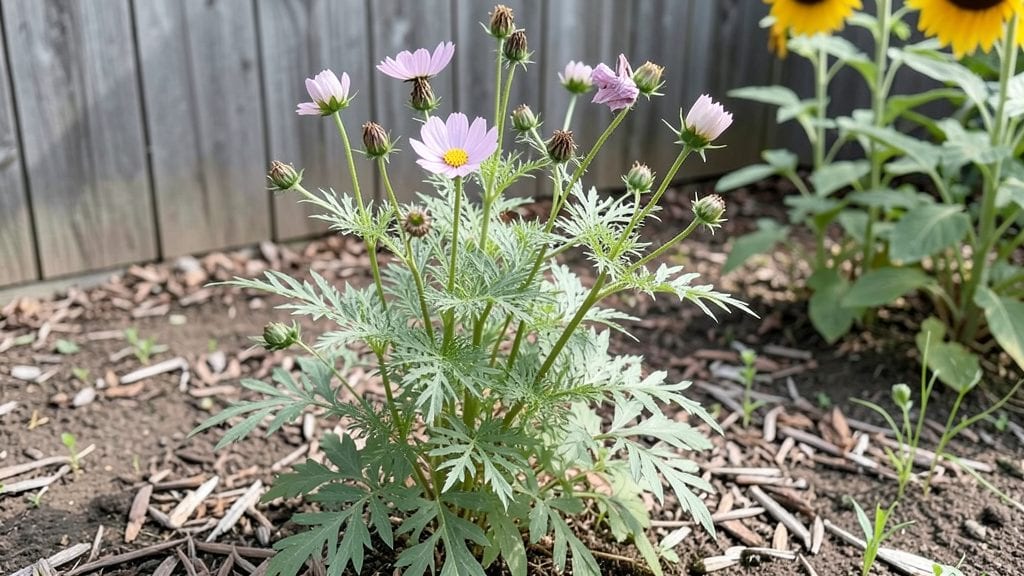
My cosmos wildflower seeds turned a patch of bare soil into a sunburst of pink and white in just 8 weeks—no fuss, no fussing. The secret lies in their fearless nature: these wildflowers thrive where others flop, popping up effortlessly even when you forget to water them.
I planted mine in late spring after the last frost, and by July, neighbors were asking where I bought the "magical" flowers.
The trick isn’t complicated: scatter seeds directly where you want blooms, barely cover them, and let them bask in full sun. They grow fast—3-4 feet tall by midsummer—without needing rich soil or constant care.
My 5-foot-wide strip along the fence required zero staking, zero deadheading, and produced blooms until the first frost. Even my black thumb couldn’t kill these.
By late summer, you’ll have a cloud of delicate petals that attract butterflies and hummingbirds while cutting back on weeds. The flowers dry beautifully for bouquets, too—just snip stems and let them cure in a dark room.
These aren’t just pretty faces; they’re the kind of garden that makes you step outside and smile every time you pass.
Works in any sunny spot—containers, borders, or wild meadows—and handles drought like a champ. Here’s how to get started without overthinking it.
📚 In This Guide
- What you need
- Instructions
- Tips and common mistakes
- Wrapping up and next steps
What you need
- ● Cosmos wildflower seeds – 1-2 packets (500–1,000 seeds per packet, non-GMO preferred)
- ● Well-draining potting soil – 5–10 lbs (or a 10–15" deep garden bed)
- ● Containers or garden space – 6" pots (for seedlings) or direct sowing area
- ● Watering can or hose with gentle spray – Keep soil moist but not soggy
- ● Sunlight access – Full sun (6+ hours/day) or partial shade (4+ hours)
- ○ Seedling trays – For starting indoors (optional)
- ● Garden gloves – Protects hands from soil and thorns
- ● Organic fertilizer (low-nitrogen) – 5–10–5 ratio (e.g., 1 tbsp per sq. ft.)
- ● Mulch or compost – Retains moisture and suppresses weeds
- ● Plant markers – To label cosmos rows (if mixed with other flowers)
- ● Patience! Cosmos germinate in 7–14 days and bloom in 6–8 weeks.
- ● Check local frost dates—wait until after the last frost to sow outdoors.
- ● Ensure your space is free of weeds or invasive plants (cosmos thrive in competition-free zones!).
Step-by-step instructions for growing cosmos wildflower seeds
Here’s how to transform those delicate cosmos seeds into a vibrant, low-maintenance garden showstopper.
Prepare the Planting Site
Cosmos thrive in full sun, so choose a spot that gets at least 6 hours of direct sunlight daily. They’re drought-tolerant once established, so avoid low-lying areas where water pools. Loosen the soil to a depth of 6 inches—cosmos roots need room to spread but don’t require rich soil. If your soil is heavy clay, mix in 2-3 inches of compost to improve drainage.
Scatter seeds ¼ inch deep—they’re tiny, so don’t bury them too deeply. Space them 12-18 inches apart if planting individually, or sow in clusters for a wildflower meadow effect. Lightly cover with soil and pat down gently to ensure good seed-to-soil contact. This prevents seeds from washing away during watering.
Water Gently and Wait for Germination
Keep the soil consistently moist but not soggy for the first 2 weeks—this is critical for germination. Water lightly every 1-2 days using a gentle spray or drizzle to avoid disturbing the seeds. You’ll see the first sprouts in 7-14 days, though cooler weather may delay germination. Once seedlings appear, reduce watering slightly—they’re surprisingly resilient once established.
Thin seedlings to 12 inches apart when they reach 2-3 inches tall. This prevents overcrowding and ensures stronger stems. If you’re growing cosmos for cutting, leave them slightly closer together—8-10 inches apart—to encourage bushier growth. Avoid transplanting seedlings; cosmos resent being moved and may struggle to recover.
Provide Minimal Care for Maximum Blooms
Cosmos are self-sufficient once they’re up, but a little attention ensures nonstop blooms. Deadhead spent flowers by pinching them off at the base—this redirects energy to new blooms and extends the flowering season. Fertilizer isn’t necessary unless your soil is extremely poor; cosmos prefer lean conditions. If your plants look leggy, a light application of 5-10-10 fertilizer once they’re 6 inches tall can encourage bushier growth.
Water deeply once a week during dry spells, but let the soil dry between waterings. Overwatering leads to weak stems and fewer blooms. Mulch around the base with 1-2 inches of straw or shredded leaves to retain moisture and suppress weeds. Cosmos are pest-resistant, but watch for aphids—spray with water to dislodge them if needed.
Enjoy and Extend the Season
Cosmos bloom from early summer until frost, but you can prolong their display by cutting back 1/3 of the plant after the first hard frost. The new growth will often produce a second flush of flowers in spring. Save seeds by leaving a few spent blooms on the plant—they’ll dry and release seeds for next year’s garden. Store leftover seeds in a cool, dry place for up to 2 years.
For cutting gardens, harvest flowers in the morning when buds are just opening. Strip leaves from the stems and place in water immediately—they’ll last 5-7 days in a vase. Cosmos are also excellent for pollinators, so planting them near vegetables can boost yields by attracting bees and butterflies.
Tips & tricks for growing cosmos wildflower seeds
Here's how to turn those tiny seeds into a garden full of bold blooms with minimal effort.
Sunlight Secret: The 6 hours of direct sunlight mentioned is non-negotiable for cosmos. If your garden only gets partial sun, consider planting them near a south-facing wall or fence that reflects additional light. I've seen cosmos grow beautifully in spots that get morning sun and afternoon shade, but the blooms will be more abundant with full sun exposure throughout the day.
Soil Preparation Tip: When loosening soil to 6 inches deep, don't worry about making it perfect—cosmos are quite forgiving. The key is breaking up any compacted layers so water can penetrate easily. If you're working with heavy clay soil, mix in that 2-3 inches of compost right where you'll be planting rather than spreading it everywhere. This targeted approach gives your cosmos exactly what they need without over-amending the entire area.
Seed Placement Strategy: Those tiny seeds are delicate, so handle them carefully. I like to mix them with a little sand first to make them easier to scatter evenly. When covering them with soil, use a fine mist of water to settle the soil gently rather than pouring water directly on top—this prevents seeds from washing away during watering. Think of it like dusting powder on a cake rather than dumping a pile.
Germination Timeline: The 7-14 day germination window can feel like forever, but patience pays off. If you're impatient, you can lightly cover the seeded area with plastic wrap to create a mini greenhouse effect—just remember to remove it once sprouts appear to prevent mold. I've found that keeping a small notebook nearby to track when you planted and watered helps manage expectations during this waiting period.
Pro Tips for Cosmos Wildflower Seeds
- Here's how to turn those tiny seeds into a garden full of bold blooms with minimal effort.
- Sunlight Secret: The 6 hours of direct sunlight mentioned is non-negotiable for cosmos.
- Soil Preparation Tip: When loosening soil to 6 inches deep, don't worry about making it perfect—cosmos are quite forgiving.
Frequently asked questions
Got questions about growing cosmos wildflower seeds? You’re not alone! Here are answers to the most common ones—so you can dive right in with confidence.
How long does it take for cosmos seeds to sprout?
Cosmos seeds are fast growers! With the right conditions (warm soil, sunlight, and moisture), you’ll see tiny sprouts in 5–14 days. Some varieties even pop up in just 3–5 days if the soil is toasty (70°F+). Patience pays off—full blooms arrive in 6–8 weeks!
Can I plant cosmos seeds directly in the ground, or should I start indoors?
Cosmos seeds are hardy and cold-tolerant, so you can sow them directly outdoors as soon as the soil is workable (spring or after the last frost). Starting indoors is optional but helpful in short seasons. If you do, transplant seedlings after the last frost to avoid shocking their roots.
How much water do cosmos seeds need?
Keep soil consistently moist but not soggy until germination. Once sprouted, cosmos are drought-tolerant—water deeply 1–2 times per week (less in rainy climates). Overwatering can cause root rot, so let the top inch of soil dry out between waterings.
Why aren’t my cosmos seeds germinating?
Check these fixes:
- Soil temp: Needs to be 60–75°F (use a seedling heat mat if too cold).
- Light: Cosmos need full sun (6+ hours/day)—move trays to a sunny windowsill or use grow lights.
- Moisture: Spritz seeds lightly with water (a spray bottle works best) and cover with a humidity dome or plastic wrap.
- Fresh seeds: Cosmos seeds lose viability after 2–3 years—test a few to confirm they’re still good.
Can I grow cosmos in containers or hanging baskets?
Cosmos thrive in containers 6+ inches deep with drainage holes. Use a well-draining potting mix and space seeds 12–18 inches apart (or thin seedlings later). Dwarf varieties like ‘Bright Lights’ are perfect for hanging baskets—they’ll spill over with cheerful blooms!
Are cosmos deer- or rabbit-resistant?
Unfortunately, no—cosmos are delicious to deer, rabbits, and even squirrels. To protect your plants:
- Use physical barriers (chicken wire or fencing).
- Try repellents (like hot pepper spray).
- Plant near deer-resistant companions like lavender or marigolds.
If pests aren’t an issue, enjoy the pollinator party your cosmos will host!
Wrapping up and next steps
Transforming your space with cosmos wildflower seeds is easier—and more rewarding—than you think! These vibrant blooms prove that beauty grows from patience and a little care, delivering stunning results in just weeks. Whether you’re a seasoned gardener or a curious beginner, your outdoor oasis is just a seed away.
Ready to dive in? Start small—pick a sunny spot, grab your seeds, and let nature do the rest. Check out our planting guide for step-by-step tips, or share your progress with the gardening community for extra inspiration! 🌸✨