Plants
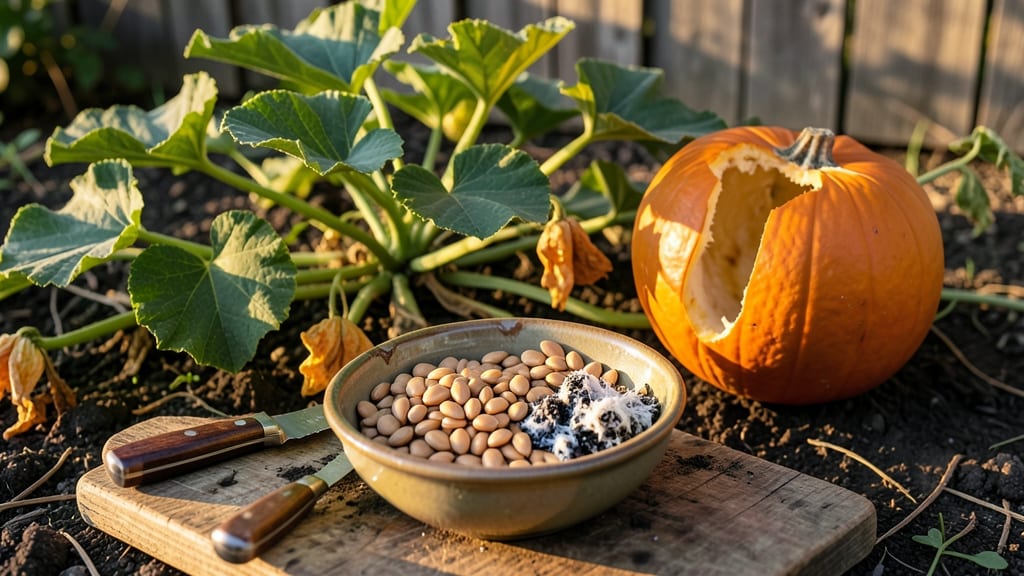
Moldy pumpkin seeds start with a musty smell and fuzzy spots that look like someone sprinkled black or green dust on them. ✨ If you’ve ever opened a seed packet and found slimy, discolored seeds, that’s mold—usually gray, white, or even pinkish—spreading like a bad stain.
The texture turns soft and squishy, not the hard, papery feel of good seeds.
This mess happens when seeds sit too damp or in warm, humid air for too long. I’ve ruined batches by storing them in plastic bags without drying them first—don’t make that mistake.
The good news? You can still salvage some seeds if you catch it early by spreading them out to dry in a warm, dry spot for a few days.
For the ones beyond saving, toss them—moldy seeds won’t sprout, and worse, they can contaminate your soil. Clean your storage containers with a bleach solution to stop future outbreaks. Prevention is simple: dry seeds completely before storing in airtight containers with silica packets or rice.
Even experienced gardeners panic when they spot this—here’s how to tell if your seeds are still good or if it’s time to start fresh. The key is acting fast before the mold spreads to your entire stash.
The Hidden Triggers Behind Spoilage
Moldy pumpkin seeds don’t just appear out of nowhere—they’re the result of a perfect storm of environmental and storage factors. Understanding these causes is key to preventing waste and keeping your seeds safe to eat.
Let’s break down the science behind why your pumpkin seeds might be turning fuzzy, slimy, or downright unappetizing.
High humidity is the #1 enemy of pumpkin seed storage. Seeds are naturally porous, and when moisture levels rise—especially above 60% relative humidity—they absorb water like a sponge. This creates an ideal breeding ground for mold spores (like Aspergillus or Penicillium), which thrive in damp conditions.
- Why it happens: Mold spores are everywhere, floating in the air.
When seeds absorb moisture, the spores land on their surface and germinate, forming fuzzy colonies. - Actionable fix: Store seeds in airtight containers with a silica gel packet or a food-safe desiccant to pull excess moisture out of the air.
Pumpkin seeds are organic, and organic materials spoil faster in heat. Temperatures above 70°F (21°C) accelerate microbial growth, including mold and bacteria. Even worse? Heat causes seeds to sweat (release moisture), which then condenses inside containers, trapping humidity.
- Why it happens: Warmth increases the metabolic activity of mold spores, making them grow 3x faster than in cooler conditions.
- Actionable fix: Store seeds in a cool, dark pantry (ideal temp: 50–60°F / 10–15°C). Avoid basements or garages if they’re prone to dampness.
Pumpkin seeds aren’t like dried beans—they don’t last indefinitely.
Once shelled and roasted, their natural oils and proteins break down over time, making them more susceptible to mold. Unroasted seeds last longer (up to 6 months in ideal conditions), while roasted seeds typically spoil within 1–3 months if not stored properly.
- Why it happens: The oil in pumpkin seeds acts as a food source for mold. Over time, oxidation (reaction with oxygen) weakens the seed’s natural defenses. - Actionable fix: Freeze seeds if you won’t use them within 2 weeks.
Vacuum-sealed bags extend shelf life by reducing oxygen exposure.
Even before mold sets in, pests like weevils, moths, or rodents can chew through seeds, leaving behind frass (insect droppings) and egg casings—both of which attract mold.
If seeds are stored near other spoiled foods (like old nuts or grains), mold spores can hitch a ride and infect your stash.
- Why it happens: Insects introduce moisture and microbial contaminants, while cross-contamination spreads spores like wildfire.
- Actionable fix:
- Freeze seeds for 48 hours to kill any lurking pests before storage.
- Use glass jars with tight seals (plastic can harbor odors and pests).
- Store seeds away from spices, grains, or other pantry staples.
If you’re drying pumpkin seeds yourself, incomplete drying is a fast track to mold. Seeds must reach <10% moisture content to store safely. Any higher, and they’ll sweat, stick together, and rot.
- Why it happens: Wet seeds create a condensation trap inside storage containers, mimicking a greenhouse effect for mold.
- Actionable fix:
- Dry seeds in a single layer on a baking sheet at 170°F (77°C) for 10–15 minutes (check for crispness).
- Let them cool completely before sealing in containers.
Some commercially roasted pumpkin seeds contain preservatives, artificial flavors, or excess salt, which can alter their natural composition and make them more prone to spoilage. Even natural additives like citric acid (a preservative) can break down over time, leaving seeds vulnerable.
- Why it happens: Additives disrupt the seed’s pH balance, creating an environment where bad bacteria and mold can outcompete beneficial microbes.
- Actionable fix: Opt for plain, unsalted pumpkin seeds if storing long-term. If using flavored seeds, consume them within 1–2 weeks of opening.
Moldy pumpkin seeds are rarely a mystery—they’re almost always the result of moisture + warmth + time. By controlling these three factors, you can extend shelf life from weeks to months and keep your snacks safe.
Next time you spot fuzzy seeds, trace back to where things went wrong and adjust your storage game!
Fixing and Preventing Mold in Pumpkin Seeds
Now that you know what to look for, let’s tackle the problem head-on! Moldy pumpkin seeds aren’t just unappetizing—they can also pose health risks if consumed. The good news? With the right steps, you can salvage good seeds, safely dispose of the bad, and keep future batches fresh.
Here’s how to handle it, cause by cause, with practical fixes and prevention tips.
Mold thrives in moisture, so if your seeds still feel sticky or haven’t dried completely, act fast.
👨🍳 Fix It: Dry Them Thoroughly
- Spread them out on a clean, dry baking sheet or mesh screen in a single layer. Avoid piling them up, as trapped heat and moisture will speed up spoilage.
- Use low heat (or no heat at all).
Place the tray in a warm, dry spot (like a sunny windowsill or near a vent). If using an oven, set it to 200°F (93°C) or lower and prop the door open slightly to allow moisture to escape. Check every 30 minutes to prevent overheating.
- Test for dryness. Fully dried seeds should feel crisp and brittle when rubbed between your fingers. If they still feel damp, repeat the drying process.
💡 Prevention Tips
- Pat seeds dry with a clean towel immediately after roasting or shelling to remove excess moisture.
- Store in a dehydrator (if available) for even drying, especially for large batches.
- Avoid humid climates when drying—opt for a dry, well-ventilated area.
Seeds left in airtight containers, plastic bags, or damp environments create the perfect mold incubator.
🔪 Fix It: Assess and Discard Contaminated Seeds
- Sort through carefully. Use a fine-mesh strainer or colander to separate seeds from hulls and debris.
Discard any seeds with: - Visible fuzzy growth (mold). - Discoloration (black, green, or white spots). - A musty or sour smell (a red flag for spoilage). 2. Sanitize the container.
If you’re reusing the storage jar or bag, wash it with hot, soapy water, then rinse with a 1:10 bleach-water solution (1 tbsp bleach per gallon of water). Let it air-dry completely before storing clean seeds. 3. Roast the good seeds again (optional).
Heating seeds to 300°F (150°C) for 10–15 minutes can kill lingering mold spores, but this step is only necessary if you suspect hidden contamination.
🎯 Prevention Tips
- Use airtight, food-grade containers (glass or BPA-free plastic) with silica gel packets or uncooked rice (a natural moisture absorber) inside.
- Store in a cool, dark place (like a pantry or fridge) to slow mold growth.
For long-term storage, consider the freezer (sealed in a vacuum bag). - Label and date your seeds—most stay fresh for 3–6 months in ideal conditions, but mold can appear sooner in humid climates.
Even properly dried seeds can develop mold if left unused for months.
🌡️ Fix It: Revive or Replace
- Check for viability. If seeds are hard and dry but not moldy, they may still be safe to eat. Give them a quick sniff test—if they smell fresh, roast them again to revive crispiness.
- Compost the rest. If seeds are soft, shriveled, or moldy, toss them in a compost bin (away from edible crops) or trash. Mold spores can spread to other plants.
✨ Prevention Tips
- Portion seeds into smaller containers for frequent use—this reduces exposure to air and moisture.
- Freeze seeds if you won’t use them within a few weeks. Thaw and roast before eating.
- Buy in small batches if you’re an occasional user to avoid waste.
Sometimes mold hides until seeds are cooked, revealing itself as a slimy or discolored coating.
🍳 Fix It: Don’t Risk It
- Toss the batch. Any seeds showing signs of mold after roasting should not be eaten, as heat can sometimes mask the danger.
- Clean your roasting tools.
Wash trays, racks, and utensils with hot, soapy water and a vinegar rinse to kill spores.
💡 Prevention Tips
- Roast seeds fresh—don’t store raw seeds for weeks before cooking.
- Use a food thermometer to ensure seeds reach 165°F (74°C) during roasting, which can help kill some mold spores (though not all).
- Avoid cross-contamination.
Never reuse oil or seasoning mixes that may have touched moldy seeds.
Mold can produce mycotoxins, which may cause allergic reactions, respiratory issues, or digestive problems. When seeds look, smell, or feel "off," it’s safer to discard them than risk illness. However, with these fixes and prevention strategies, you’ll keep your pumpkin seeds crisp, safe, and delicious for longer!
Frequently asked questions
What colors should I watch for when checking pumpkin seeds?
Look for black, green, or white fuzzy spots—these are classic mold signs. Healthy seeds stay tan or light brown. If you see pink or orange discoloration, that’s another red flag for spoilage. Discard any seeds with unusual colors immediately.
Can I save moldy pumpkin seeds by roasting them again?
No, roasting won’t remove mold—it can only mask the smell temporarily. If seeds have fuzzy growth or a musty odor, toss them. For clean seeds, roast at 300°F (150°C) for 10–15 minutes to revive crispiness, but never reuse moldy seeds after cooking.
How do I know if moldy seeds are dangerous to eat?
Mold produces mycotoxins, which can cause nausea, headaches, or allergic reactions. If seeds smell sour or taste bitter, they’re unsafe. Even small amounts of moldy seeds can contaminate healthy ones—when in doubt, throw them out and sanitize your storage containers.
What’s the fastest way to dry pumpkin seeds to prevent mold?
Spread seeds in a single layer on a baking sheet and bake at 200°F (93°C) for 10–15 minutes, door slightly open. For no-heat drying, place them near a fan or in direct sunlight for 2–3 hours. Test dryness by crushing a seed—it should crumble, not stick.
Are store-bought pumpkin seeds more prone to mold?
Commercial seeds often contain preservatives, but humidity and packaging are bigger risks. Check expiration dates and store them in airtight containers with silica packets. If seeds arrive damp or sweaty, dry them immediately—don’t assume the package is safe.