
Pests
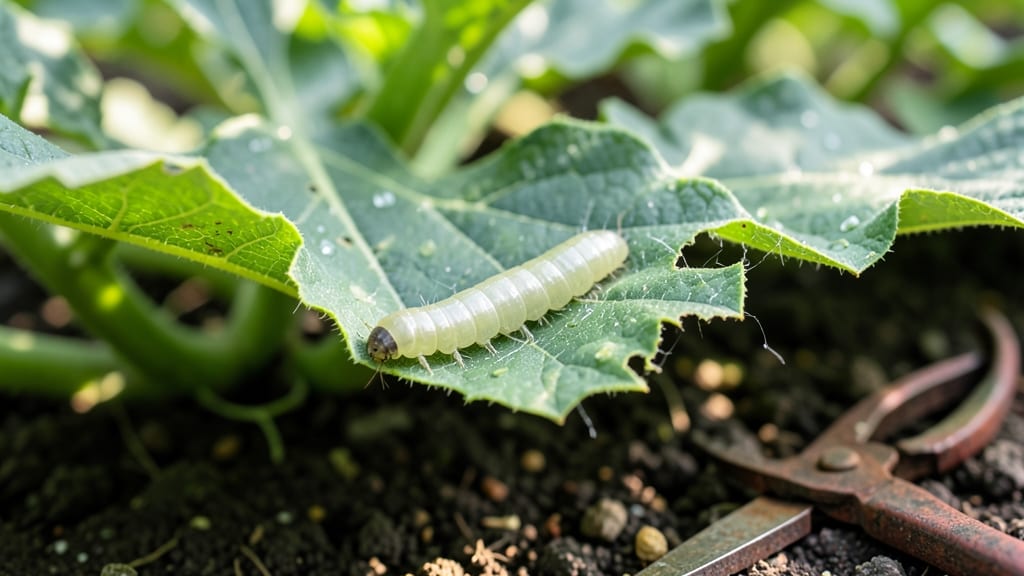
Finding tiny holes in your watermelon seeds or wilting vines means seed worms have invaded. 🌱 I’ve battled these sneaky pests in my own garden, and the key is catching them early before they turn your harvest into a loss.
These caterpillars chew through seeds and fruit, leaving behind hollowed-out messes that ruin your hard work.
The first step is prevention: use floating row covers when vines are young to block adult moths from laying eggs. Once you spot damage, handpick worms from fruit or seeds and drop them in soapy water—it’s the most effective organic removal method.
Neem oil sprays can also disrupt their life cycle if applied at the right time.
You’ll know you’ve won when your melons stay firm, seeds remain intact, and vines stay strong. The best part? These methods protect your fruit without chemicals, so you can enjoy sweet, blemish-free watermelons all season. Let’s get those pests under control for good.
This works for both home gardens and small farms, and the same principles apply to other squash and cucumber crops. Early action is everything—don’t wait until you’re staring at a ruined harvest to start fighting back.
Root Causes Of Seed Damage
Watermelon seed worms—those tiny, voracious larvae of the Diaphania nitidalis moth—don’t just appear out of nowhere. Their presence in your fruit is the result of specific conditions that create the perfect breeding ground.
Understanding these triggers is the first step to preventing future infestations. Let’s break down the key factors that turn your watermelons into a worm buffet.
Moths are drawn to watermelons that are already compromised.
When fruit is overripe, bruised, or has cracks, it emits volatile organic compounds (VOCs) that signal to moths: "Free meal inside!" These compounds mimic the scent of fermenting fruit, which is irresistible to female moths seeking a place to lay their eggs.
Even small injuries—like those from hail, birds, or rough handling—create entry points for eggs. Once laid, the eggs hatch into larvae that burrow into the fruit, turning seeds into their personal snack stash.
Actionable insight: Harvest watermelons at peak ripeness (when the tendril near the stem turns brown) and inspect for bruises or soft spots. Remove any damaged fruit immediately to deny moths a foothold.
Watermelon seed worms don’t just target ripe fruit—they thrive in leftover plant debris. Moths lay eggs on:
- Old vines and leaves left in the field after harvest.
- Compost piles containing watermelon scraps or infested fruit.
- Storage areas where previously infested melons were kept.
Eggs can survive in dry conditions for weeks, waiting for the next growing season. Once temperatures rise, they hatch, and the cycle begins anew.
Actionable insight: Clear all plant debris from your garden before the next planting season. Use a hot compost pile (140°F+) to kill eggs, or dispose of infested material in sealed bags. Rotate crops annually to disrupt moth habitats.
Seed worms develop fastest in warm (75–90°F) and humid environments. These conditions:
- Accelerate egg hatching (from 3–7 days in ideal temps).
- Keep larvae hydrated and active, allowing them to burrow deeper into fruit.
- Encourage moth reproduction rates, leading to exponential growth in worm populations.
Regions with long, hot summers—like the Southeast U.S. or tropical climates—see worse infestations because moths have more time to reproduce. Even in cooler areas, a sudden heatwave can trigger an outbreak.
Actionable insight: Monitor weather forecasts and time your harvest to avoid peak moth activity (usually late summer). Use shade cloth over vines to reduce heat stress on fruit, making it less appealing to moths.
Stressed watermelon plants are less resistant to pests because their natural defenses (like thicker rinds or bitter compounds) weaken. Common stressors include:
- Nutrient deficiencies (e.g., low nitrogen or potassium).
- Underwatering or overwatering, leading to cracked or soft fruit.
- Disease pressure (e.g., powdery mildew), which moths exploit.
Weak plants produce fruit with thinner skins, making it easier for moths to lay eggs and for larvae to penetrate. Even healthy-looking fruit can be compromised if the plant was stressed earlier in the season.
Actionable insight: Maintain consistent soil moisture and fertilize with a balanced formula (10-10-10) to boost plant vigor. Apply neem oil or kaolin clay as a preventative barrier to deter moths from landing.
Key takeaway: Seed worm infestations are rarely random—they’re the result of opportunity. By addressing overripe fruit, debris buildup, climate conditions, and plant health, you remove the "invitation" moths rely on. The next section will show you how to safely remove existing worms without harming your crop.
Natural Ways to Eliminate Seed Worms
Once you’ve identified the culprits—those sneaky watermelon seed worms—it’s time to act. The good news? You can tackle them without chemicals, protecting both your crop and the environment.
Below are targeted solutions based on the root cause, from prevention to hands-on fixes. Let’s get your melons back in shape!
The best defense is a strong offense. Stop seed worms from ever showing up with these proactive steps:
- 🔥 Rotate Your Crops Seed worms love watermelons, but they can’t thrive if you switch up your garden layout. Plant non-cucurbit crops (like beans, tomatoes, or herbs) in the same spot next season. This breaks the worm’s life cycle and reduces egg-laying opportunities.
- 🌡️ Time Your Planting Right Seed worms are most active in warm soil (70°F+). Delay planting until late spring or early summer when temperatures are stable. Use row covers for the first 3–4 weeks to block adult moths from laying eggs.
- 🌿 Choose Resistant Varieties Some watermelon types are less appealing to seed worms. Look for hybrids like:
- ‘Sugar Baby’ (smaller, faster-maturing)
- ‘Crimson Sweet’ (thick rinds deter some pests)
- ‘Black Diamond’ (disease-resistant, though not worm-proof)
- 💡 Mulch Strategically Use straw or grass clippings around plants to smother emerging larvae and disrupt their movement. Avoid plastic mulch—it traps heat and attracts more pests.
Catch seed worms before they burrow in. Here’s how to spot and stop them fast:
- 🔍 Inspect Daily for Signs
- Wilting vines near the fruit? Check for tiny holes or sawdust-like frass (worm poop).
- Overripe or soft spots on the melon? Slice it open—if you see white grubs, act now.
- 🍳 Handpick Larvae (Yes, Really!)
- 👨🍳 Wear gloves and dampen a paper towel with soapy water.
- Gently pry open infested melons and scoop out worms with a spoon.
- Drop them into soapy water to kill them instantly (they’ll drown in seconds).
- 🪰 Use a DIY Trap Crop Plant a small patch of zucchini or cucumbers near your watermelons. Seed worms will target these first. Once infested, remove and destroy the plants (don’t compost—burn or trash them).
If worms are already deep in your melons, try these non-toxic fixes:
| Method | How to Use | Effectiveness | Best For |
|---|---|---|---|
| 🔥 Neem Oil Spray | Mix 1 tbsp neem oil + 1 tsp mild soap in 1 quart water. Spray every 5–7 days at dusk. | ★★★★☆ | Eggs & young larvae |
| 🌿 Bacillus thuringiensis (Bt) | Sprinkle Bt powder (safe for humans) on soil and leaves. Reapply after rain. | ★★★★☆ | Larvae in soil/fruit |
| 🍎 Diatomaceous Earth (DE) | Dust food-grade DE around plant bases and on leaves. Reapply after watering. | ★★★☆☆ | Crawling larvae (not eggs) |
| 🌼 Companion Planting | Plant marigolds, nasturtiums, or basil nearby—their scent repels moths. | ★★☆☆☆ | Long-term prevention |
⚠️ Pro Tip: Combine methods for best results. For example:
- Morning: Handpick visible worms.
- Afternoon: Spray neem oil.
- Evening: Dust DE around the base.
- ❌ Don’t use chemical pesticides—they harm bees, soil, and future harvests.
- ❌ Don’t compost infested plants—worms survive and reinfest.
- ❌ Don’t ignore small holes—by the time the melon is soft, the damage is done.
- ❌ Don’t overwater—excess moisture attracts more pests.
Before the next growing season, cross these off:
- [ ] Rotate crops—no cucurbits in the same spot.
- [ ] Test soil—ensure pH is 6.0–6.8 (worms thrive in imbalanced soil).
- [ ] Store seeds properly—keep them in a cool, dry place to avoid moths.
- [ ] Clean up debris—remove old vines and leaves from last season.
With these simple, chemical-free strategies, you’ll outsmart seed worms and enjoy juicy, worm-free watermelons all season long. 🍉✨
Frequently asked questions
What do watermelon seed worm holes look like?
Seed worm damage appears as tiny, irregular holes (about 1/8-inch wide) in the rind or seeds. Inside, you’ll find hollowed-out cavities filled with white, worm-like larvae and sawdust-like frass (their waste). Check for these signs on both the outside and when you cut open suspicious melons.
Can I still eat watermelons with seed worms?
Yes, but only if the damage is minimal! Cut out the infested sections and discard them. For heavily damaged fruit, toss it to prevent spreading eggs. If you find worms in seeds, remove them before eating—just avoid any fruit with large holes or soft spots, as it may be spoiled.
How do I prevent seed worms next season?
Start with crop rotation—don’t plant cucurbits (watermelons, cucumbers, squash) in the same spot. Use floating row covers for the first 3–4 weeks to block moths, and try resistant varieties like ‘Sugar Baby.’ Clear all plant debris after harvest to eliminate hiding spots for eggs.
Will neem oil really kill seed worms?
Neem oil disrupts larvae development but won’t kill established worms inside fruit. For best results, spray every 5–7 days at dusk on leaves and soil. Combine it with handpicking worms from melons and using Bacillus thuringiensis (Bt) for larvae in the soil.
Why do seed worms keep coming back every year?
Moths overwinter in plant debris or soil, and eggs can survive for weeks. Without proper cleanup, they’ll reinfest next season. Rotate crops, remove all old vines, and avoid overwatering—excess moisture attracts more pests. A hot compost pile (140°F+) can also kill surviving eggs.