Vegetables
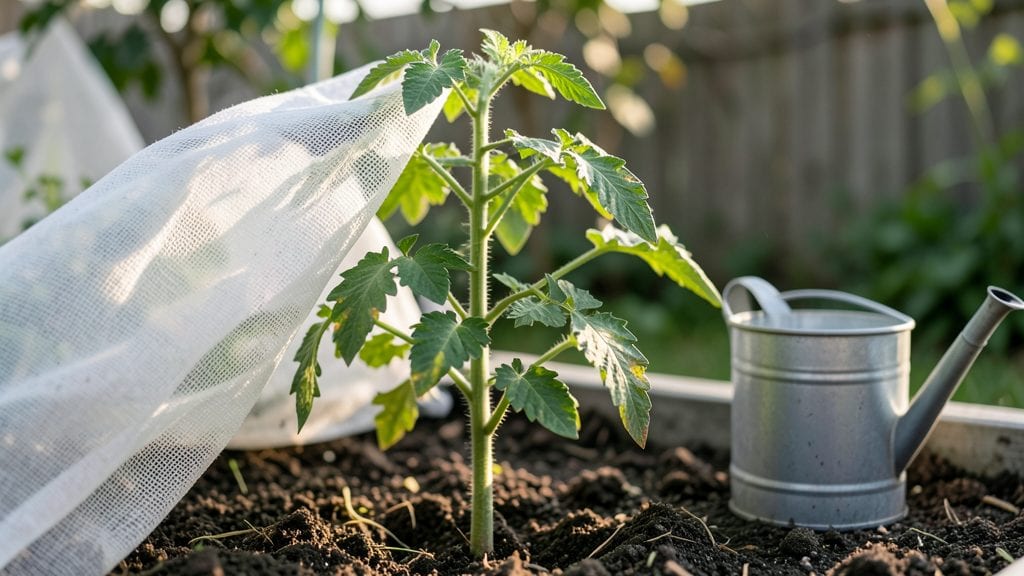
Tomato seedling sunburn turns vibrant green leaves into crispy white patches overnight—it’s the gardener’s worst nightmare after all that careful starting.
I’ve watched my own seedlings go from lush and promising to sad, bleached husks in just hours, and there’s a simple reason why it happens: too much sun, too fast. The good news? You can prevent it with just a few adjustments to how you grow your seedlings.
Most sunburn happens when seedlings go from cozy indoor light to blazing afternoon sun without warning. Your best defense is gradual hardening—start with just an hour of morning sun, then add time each day.
A simple shade cloth or even a white towel draped over the tray works wonders too. And don’t skip the watering: dry soil makes leaves more vulnerable to damage.
With the right approach, your seedlings will stay strong and green, ready to thrive in the garden. You’ll see the difference in just days: glossy leaves instead of crispy ones, steady growth instead of stunted plants.
The key is patience—letting them adjust slowly so they can handle the big sun without turning into sad, scorched shadows.
This fix works for any tomato variety, whether you’re growing heirlooms or hybrids. The same principles apply whether you’re starting in a sunny windowsill or under grow lights. Once you’ve mastered it, you’ll never lose another seedling to the sun again.
How Sun Damages Young Plants
Tomato seedlings may look delicate, but their leaves are surprisingly vulnerable to intense sunlight—especially when they’re still adjusting to life outside. Understanding the root causes of sunburn in young plants is the first step to protecting them. Here’s why it happens:
When seedlings transition from indoor grow lights or shaded nursery conditions to direct sunlight, their leaves can’t immediately adapt. The chloroplasts (tiny energy factories in plant cells) produce reactive oxygen species (ROS) when exposed to too much UV and visible light.
These molecules act like tiny chemical scissors, damaging cell membranes and causing:
- Photobleaching: Chlorophyll breaks down, turning leaves white or yellow (a classic sign of sunburn).
- Cell Death: ROS triggers apoptosis (programmed cell death) in extreme cases, leading to crispy, brown patches.
- Reduced Photosynthesis: Damaged cells can’t efficiently convert light into energy, stunting growth.
Why it’s worse for seedlings: Young plants have thinner cuticles (the plant’s natural sunscreen layer) and fewer protective pigments like anthocyanins (which give some plants their red/purple hues). Without gradual acclimation, their defenses are overwhelmed.
Seedlings raised indoors under low-light grow lights (typically 12–16 hours of red/blue spectrum) lack the photoprotective mechanisms developed in natural sunlight. When suddenly moved outside:
- Light Intensity Spikes: Outdoor sunlight can be 10–100x stronger than indoor setups, especially in full sun (6+ hours of direct rays). - UV Radiation Overload: UV-B rays (280–315 nm) penetrate leaves, causing DNA damage in plant cells.
Seedlings aren’t equipped to repair this quickly. - Temperature Shock: Bright sunlight often brings hotter microclimates near the soil, increasing transpiration stress (water loss through leaves) and compounding damage.
Pro Tip: 🌱 Hardening off (gradually exposing seedlings to outdoor conditions over 5–7 days) triggers the production of heat-shock proteins and carotenoids, which help shield leaves.
Sunburn isn’t just about light—water stress plays a huge role. When seedlings are underwatered or exposed to dry, hot conditions, their leaves become:
- More Transparent: Thinner cells allow more harmful UV rays to penetrate deeper. - Wilted: Drooping leaves increase the angle of sunlight exposure, concentrating heat on a smaller surface area. - Prone to Oxidative Stress: Water helps regulate plant temperature via evaporative cooling.
Without it, internal temperatures can rise 10–15°F above ambient air, accelerating cell damage.
Key Signs of Water-Related Sunburn:
- Scorched edges (like paper burning).
- Leathery or papery texture (cells collapse from dehydration).
- Veins remain green while surrounding tissue turns white/brown (a classic "sunburn pattern").
Ever noticed how light-colored soil or mulch (like white gravel or fresh compost) can amplify sunburn? This happens because:
- Albedo: Light surfaces reflect 20–30% more sunlight than dark soil, creating a secondary heat source beneath seedlings.
- Heat Radiation: Reflected light bounces off leaves, doubling the UV/heat exposure on delicate stems and cotyledons (first true leaves).
- Soil Temperature Spikes: Dark containers (black pots) absorb heat, while light-colored ones reflect it—both can stress roots, reducing water uptake and worsening sunburn symptoms.
Fix It: Use mulch (straw, grass clippings) or shade cloth to reduce reflected light and keep soil temps stable.
Not all tomato varieties handle sunburn equally.
Seedlings from: - Thin-leaved varieties (e.g., cherry tomatoes like ‘Sungold’) are more prone than thick-leaved heirlooms (e.g., ‘Brandywine’). - Slow-growing starts (from cool indoor temps) have less developed cuticles and fewer protective pigments. - Hybrid F1 seedlings may lack the natural resilience of open-pollinated types.
Actionable Insight: 🌿 If you’re growing heat-sensitive varieties, prioritize shade cloth during the first 2 weeks outdoors.
Quick fixes for scorched seedlings
If your tomato seedlings are already showing signs of sunburn—think crispy edges, pale patches, or leaves curling like parchment—don’t panic! With a few targeted fixes, you can nurse them back to health and prevent further damage.
Below, we’ll map the most common causes of sunburn to simple, actionable solutions, plus tips to keep your seedlings thriving.
When seedlings transition too quickly from shade to full sun, their tender leaves can’t adjust fast enough, leading to sunburn. This is especially common if you moved them outside too soon or placed them in a hot, sunny spot after weeks indoors.
🔥 How to Fix It
- Gradual Acclimation (Hardening Off): Move seedlings outdoors for just 1–2 hours on the first day, gradually increasing exposure over 7–10 days. Use a shaded area (like under a porch or 30% shade cloth) to ease them in.
- Morning Sun Only: If you can’t shade them, place seedlings in a spot that gets morning sun (cooler and less intense) and afternoon shade. Avoid midday sun, which is the harshest.
- Mulch for Coolth: Spread a thin layer of mulch (straw or grass clippings) around the base to reflect heat away from the soil and keep roots cooler.
💡 Prevention Tips
- Start hardening off seedlings 2 weeks before transplanting to build resilience.
- Use a lightweight row cover on sunny days to filter UV rays without blocking all light.
- Avoid transplanting on extremely hot days (above 85°F/30°C). Wait for cooler weather.
Dark-colored pots, black plastic mulch, or direct soil contact with pavement can turn containers into heat sinks, cooking the roots and stressing the plant. Even well-watered seedlings can suffer if the soil temperature spikes.
🍳 How to Fix It
- Switch to Lighter Containers: Replace dark pots with white, terracotta, or reflective containers to reduce heat absorption. Add a layer of aluminum foil to the outside for extra insulation.
- Elevate Seedlings: Place pots on bricks, gravel, or a wooden stand to improve airflow underneath and prevent heat buildup.
- Soak the Soil at Dusk: Water deeply after sunset to cool the soil overnight. Avoid midday watering, which can evaporate quickly and leave leaves damp (inviting fungal issues).
🎯 Prevention Tips
- Use light-colored mulch (like white plastic or straw) to reflect heat instead of absorbing it.
- Keep seedlings away from walls, fences, or pavement, which radiate heat.
- Monitor soil temperature with a thermometer—ideal range is 60–75°F (15–24°C).
Sunburn isn’t just about direct UV damage—when seedlings lose too much moisture through their leaves faster than roots can replace it, they wilt and crisp at the edges. This is common in hot, dry conditions or if you’re using small containers.
👨🍳 How to Fix It
- Deep Watering Schedule: Water seedlings early in the morning (before 9 AM) to give roots time to absorb moisture before the heat peaks. Aim for 1–1.5 inches of water per week, adjusting for rainfall.
- Group Seedlings Together: Cluster pots to create a microclimate with higher humidity, reducing water loss from leaves.
- Mist Leaves Gently: On extremely hot days, use a fine-mist spray bottle to hydrate leaves (do this in the early morning or evening to avoid fungal growth).
✨ Prevention Tips
- Use larger containers (5+ inches deep) to hold more moisture and reduce stress.
- Add hydrogel crystals to potting mix to retain water and cool roots.
- Choose drought-tolerant tomato varieties like ‘Solar Fire’ or ‘Heatmaster’ if you’re in a hot climate.
Seedlings with thin, pale, or leggy growth are more vulnerable to sunburn because they lack protective pigments (like anthocyanins) and sturdy cell structure. Over-fertilizing with nitrogen can also weaken them.
🔪 How to Fix It
- Prune Damaged Leaves: Use clean scissors to snip off severely scorched leaves to redirect energy to healthy growth. Avoid removing more than 20% of the foliage at once.
- Boost Nutrients Gently: Feed seedlings with a balanced, diluted fertilizer (like 5-5-5) or a seaweed extract to strengthen cell walls. Avoid high-nitrogen fertilizers, which promote soft growth.
- Shade Cloth for Recovery: If seedlings are severely stressed, cover them with 30–50% shade cloth for 3–5 days to help them recover.
🌡️ Prevention Tips
- Start with healthy, sturdy seedlings—avoid overcrowding and ensure they get 12–16 hours of light daily indoors.
- Use grow lights if natural light is insufficient to prevent leggy growth.
- Hardening off should include gradual light exposure, not just temperature adjustments.
With these fixes, your tomato seedlings should bounce back in 7–14 days, provided the damage isn’t irreversible (like completely crispy leaves). Once they’re recovered, focus on prevention to ensure your plants grow strong and productive for a bountiful harvest! 🍅🌞
Frequently asked questions
How can I tell if my tomato seedlings have sunburn?
Look for white or yellow patches on leaves, crispy edges, or leaves that look bleached like paper. The veins often remain green while the surrounding tissue turns pale or brown. Severe cases may show brown, dry spots that feel brittle to the touch.
Can sunburned tomato seedlings recover?
Yes, but it depends on the severity. Mild cases with just pale spots can recover in 7–10 days with shade and proper care. Severely scorched leaves (completely crispy or blackened) won’t regrow, but the plant can still produce new healthy foliage if the roots are intact.
What’s the best shade cloth percentage for preventing sunburn?
Start with 30–50% shade cloth for the first week outdoors. This filters enough sunlight to prevent damage while still allowing photosynthesis. Gradually reduce shade as seedlings harden off over 7–10 days—by day 5, you can drop to 20% shade during peak sun hours.
Is morning sun safer than afternoon sun for seedlings?
Morning sun is cooler and less intense than afternoon rays, making it ideal for hardening off seedlings. Start with just 1–2 hours of morning sun on day 1, then gradually increase exposure. Avoid placing seedlings in direct afternoon sun until they’ve been outdoors for at least 5 days.
Why do some tomato varieties get sunburned more easily?
Thin-leaved varieties (like most cherry tomatoes) and slow-growing seedlings are more vulnerable because they lack thick protective cuticles. Heirlooms like ‘Brandywine’ with darker, thicker leaves handle sun better. Always check your variety’s heat tolerance—some hybrids are bred for sun resistance.