Picking
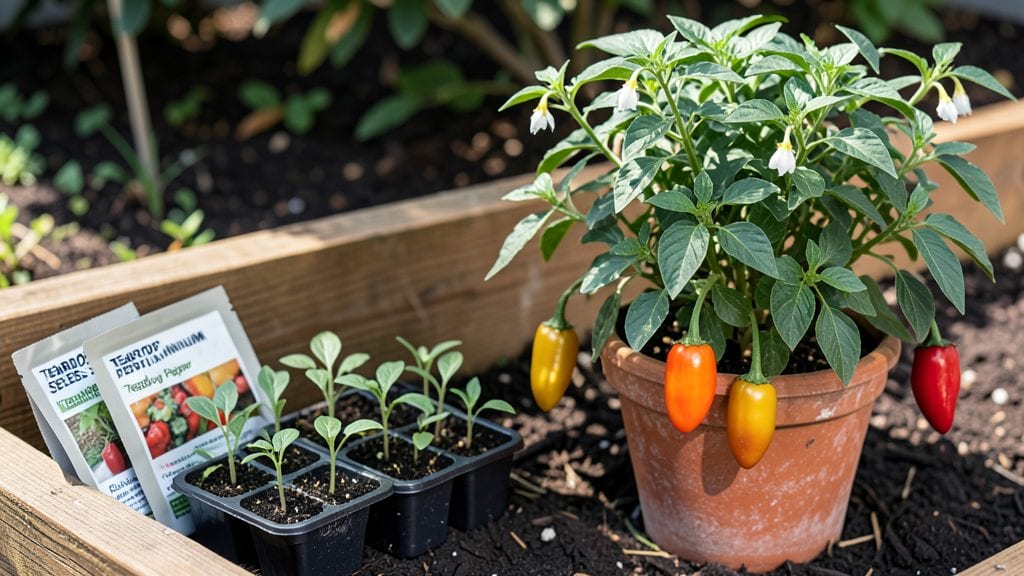
Teardrop pepper seeds sprout in just 7-14 days—faster than most peppers, and that speed is what makes them such a rewarding choice for impatient gardeners like me. 🌱 I remember my first batch popping up through the soil within a week, tiny green spears breaking through the surface like they couldn’t wait to grow.
That quick start means you’ll have plants ready for transplanting sooner than you’d expect, even if you’re starting from seed indoors in early spring.
The secret to their fast germination lies in keeping things warm and moist—think of it like giving them a cozy blanket to break through.
You’ll need a seed-starting mix that drains well (no soggy bottoms here), a heat mat if your home runs cool, and a clear plastic dome or bag to trap humidity. Most beginners overwater at this stage, but teardrop peppers actually prefer their soil to stay lightly damp rather than soaked.
Once those first leaves appear, you’ll want to move them to brighter light within 5-7 days to prevent leggy seedlings.
By summer, those quick-starting seeds turn into compact, productive plants loaded with small but fiery peppers that ripen in waves from green to red to black. The flavor? A perfect balance of sweetness and heat that’s addictive for snacking straight off the vine.
You’ll harvest peppers continuously from mid-summer until frost, with each plant yielding dozens of peppers—enough to share with neighbors who’ll beg for your secrets (and maybe a few seeds).
Here’s the best part: teardrop peppers thrive in containers or garden beds, making them ideal for small spaces or urban balconies. They handle heat and drought better than many other peppers, and their bushy growth means no staking required.
Whether you’re a first-time gardener or a seasoned grower looking for a fast, foolproof pepper, these seeds deliver results that feel like magic—especially when you’re holding your first homegrown harvest just 8-10 weeks after planting.
📚 In This Guide
- What you need
- Instructions
- Tips and common mistakes
- Wrapping up and next steps
What you need
- ● Teardrop pepper seeds – 5–10 seeds (or more if you’re planting multiple pots)
- ● Seed-starting mix – 1–2 small pots (4–6 inches wide) or a seed tray with cells
- ● Grow lights or sunny windowsill – 6+ hours of light daily (south-facing window or LED grow lights work best)
- ● Spray bottle – For gentle watering (avoid soaking the soil)
- ● Plastic wrap or humidity dome – To keep seeds cozy until germination
- ● Fertilizer (balanced or pepper-specific) – 5-10-10 or organic options like compost tea
- ○ Transplant pots (optional but helpful) – 1–2 larger pots (12+ inches) for mature plants
- ● Small hand trowel – For gentle soil handling
- ● Measuring cup or scale – To track water/fertilizer ratios
- ○ Thermometer (optional) – Ideal soil temp: 70–85°F (21–29°C) for germination
- ● Pruning shears – For trimming later (if you plan to train vines)
- ● Pest control (neem oil or insecticidal soap) – Just in case!
Step-by-step instructions for growing teardrop peppers from seeds
Here’s how to get those fiery teardrop peppers growing strong in just weeks.
🌱 Step 1: Soak and Plant Your Seeds for Faster Germination
Teardrop pepper seeds germinate quickly—5-10 days—but a quick soak speeds things up. Place your 10-15 seeds in a bowl of lukewarm water for 12 hours to soften the outer coating. This ensures your seeds break through the soil faster, especially if your home runs cooler.
After soaking, plant 2-3 seeds per cell in your seed-starting mix, pressing them just ¼ inch deep. Teardrop seeds are tiny, so I use a toothpick to place them precisely. Cover lightly with a thin layer of mix—don’t bury them deeper, or they’ll struggle to reach the surface.
💧 Step 2: Keep Soil Warm and Moist Until Sprouts Appear
Teardrop peppers love warmth—aim for 75-85°F soil temperature for the fastest germination. If your home is cooler, place the seed tray on a heating mat or near a warm spot like the top of your fridge. Mist the soil lightly with a spray bottle every 2-3 days until sprouts emerge—you’ll see tiny green tips pushing through in 5-7 days.
Once sprouts appear, remove the humidity dome (if used) immediately. Too much moisture now invites damping-off, a fungal disease that collapses seedlings overnight. Keep the soil lightly moist but never soggy—tap the tray gently to check; the top inch should feel damp but not wet.
☀️ Step 3: Move to Bright Light and Prevent Leggy Growth
Teardrop pepper seedlings need 12-14 hours of light daily to stay compact and strong. A south-facing window works, but most homes don’t provide enough intensity. I use a grow light placed 2-3 inches above the seedlings—raise it as they grow to maintain that distance. Without enough light, seedlings stretch toward the source, becoming weak and spindly.
Watch for first true leaves (the second set after the initial cotyledons). These should appear in 2-3 weeks. Once they do, thin your seedlings to the strongest one per cell, snipping the others at the base with clean scissors. This prevents overcrowding and gives your pepper its best start.
⏰ Step 4: Harden Off and Transplant for Outdoor Success
Two weeks before your last frost date, begin hardening off your teardrop peppers. Move them outside to a shaded, sheltered spot for 1-2 hours the first day, gradually increasing time over 10-14 days. This toughens their skin and prepares them for full sun. By the end, they should handle a full day outdoors without wilting.
Transplant your seedlings into the garden after all danger of frost has passed. Space them 18-24 inches apart in well-draining soil amended with compost. Teardrop peppers thrive in full sun (6+ hours daily) and warm soil—planting too early delays fruiting. Water deeply at the base after transplanting to help roots establish.
Tips & tricks for perfect teardrop pepper seedlings
Fast germination and strong seedlings start with these simple but game-changing tricks.
Soak Smart: That 12-hour soak in lukewarm water is your secret weapon for speeding up germination. I like to use a small glass jar with a lid to contain the seeds while they soak—it keeps everything tidy and makes it easy to transfer them directly to your seed-starting mix. Pro tip: If your home is particularly cool, extend the soak to 16 hours for even faster results. Just don't let the water get too hot, or you'll damage the seeds.
Temperature Matters: Those 75-85°F soil temperatures are non-negotiable for teardrop peppers. I've seen seeds take twice as long to germinate when soil temps drop below 70°F. If you don't have a heating mat, try placing your seed tray on top of your fridge—it stays warm there naturally. For extra insurance, cover the tray with plastic wrap (but remove it once sprouts appear) to trap heat and moisture.
Lighting Strategy: The 12-14 hours of light daily is crucial for preventing leggy seedlings. I've learned the hard way that dim windowsills can turn your perfect seedlings into sad, stretched-out sticks. If you're using a grow light, position it just 2-3 inches above the seedlings at first, then raise it as they grow. You'll know you've got the right distance when the leaves are dark green and compact, not pale and reaching upward.
Thinning Technique: When it's time to thin to the strongest seedling per cell, use clean scissors to snip at the base rather than pulling. This prevents disturbing the roots of your chosen seedling. I like to do this thinning in the evening when it's cooler—it reduces stress on the plants. Plus, you can use the thinned seedlings in salads or pesto while they're still young and tender!
Pro Tips for Teardrop Peppers Seeds
- Fast germination and strong seedlings start with these simple but game-changing tricks.
- Soak Smart: That 12-hour soak in lukewarm water is your secret weapon for speeding up germination.
- Temperature Matters: Those 75-85°F soil temperatures are non-negotiable for teardrop peppers.
Frequently asked questions
How long does it take for teardrop pepper seeds to germinate?
Teardrop pepper seeds are known for their fast germination—typically 7 to 14 days under ideal conditions (warmth, moisture, and indirect light). For quicker results, soak seeds in warm water for 4–6 hours before planting or use a seedling heat mat (75–85°F). Patience is key, but if nothing sprouts after 2 weeks, try replanting fresh seeds!
Can I grow teardrop peppers indoors or just outdoors?
Teardrop peppers thrive indoors with a sunny windowsill (6+ hours of light) or under grow lights. Use a 5–7 inch pot with well-draining soil and keep temps above 60°F. For outdoor growers, transplant seedlings after the last frost when soil reaches 65°F+. Just ensure they get full sun (6+ hours/day) for maximum heat!
What’s the best way to store leftover teardrop pepper seeds?
Store seeds in a cool, dry place (like a sealed envelope or airtight container) away from sunlight. A refrigerator (in the crisper drawer) works too! Label with the date—seeds stay viable for 1–2 years if kept dry. Avoid humidity to prevent mold, and never freeze them.
Why are my teardrop pepper plants wilting or turning yellow?
Wilting or yellowing often signals overwatering, underwatering, or root stress. Check soil moisture—teardrop peppers prefer consistently moist (not soggy) soil. Yellow leaves? It could be nutrient deficiency (try a balanced fertilizer) or pests (inspect for aphids or spider mites). Adjust care and monitor for improvement!
Are teardrop peppers hard to grow compared to other hot peppers?
Not at all! Teardrop peppers are beginner-friendly—they’re fast-growing, disease-resistant, and prolific. Unlike finicky varieties, they tolerate slight neglect and produce abundant peppers with minimal fuss. Just ensure they get sun, warmth, and regular watering, and you’ll reap a spicy harvest in 60–90 days!
Wrapping up and next steps
Growing teardrop pepper seeds is a rewarding way to add fast-germinating heat and vibrant color to your garden! With their quick sprout time and bold flavors, these peppers are perfect for both beginners and seasoned growers.
Whether you’re craving a fiery kick or a milder zing, these seeds deliver big results in no time—just follow the right steps, and you’ll be harvesting soon!
Ready to spice up your next harvest? Start by planting those seeds today—your taste buds (and your garden) will thank you! 🌱🔥