Vegetables
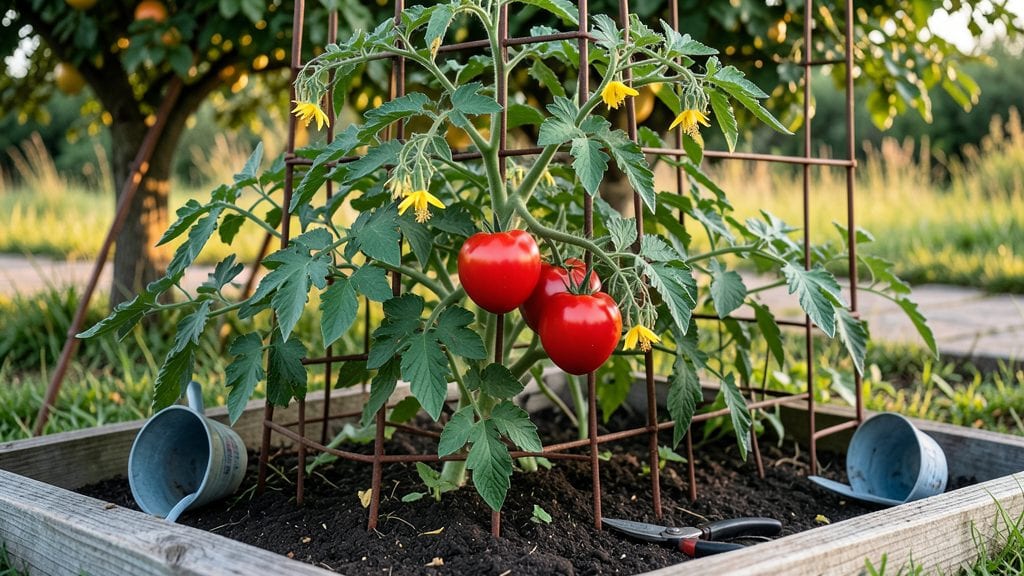
Steakhouse tomato seeds need a little winter chill to deliver those legendary beefsteak-sized fruits next summer. 🌱 I learned the hard way—skipping cold stratification meant puny plants and disappointing harvests, but now I get tomatoes weighing over a pound each, with meaty flesh and a flavor that puts store-bought to shame.
The secret isn't complicated: these heirlooms thrive when you mimic their natural dormancy cycle. Start seeds indoors 8-10 weeks before last frost, then subject them to 4-6 weeks of cold treatment before transplanting.
You'll need a mix of peat moss and perlite, consistent moisture, and a sunny windowsill or grow light—no fancy equipment required. The payoff? Plants that establish quickly and produce fruit that actually fills the pan when sliced.
What sets Steakhouse tomatoes apart is their disease resistance and sheer size—some fruits crack under their own weight, but that's a sign of success, not failure. With proper spacing (24-36 inches apart) and regular pruning, you'll avoid common issues like blossom end rot and cracking.
The first tomatoes appear around 80 days, and they keep producing until frost.
Works in zones 4-10, though southern gardeners should plant in fall for winter harvests. The key is patience—these aren't quick growers, but the results make every extra week worth it. Ready to grow tomatoes that impress even the toughest steakhouse chefs?
📚 In This Guide
- What you need
- Instructions
- Tips and common mistakes
- Wrapping up and next steps
What you need
- ● Steakhouse tomato seeds – 10-20 seeds (adjust based on desired plants; heirloom varieties like Brandywine or Cherokee Purple work beautifully!)
- ● Seed-starting mix – 2-3 cups of high-quality, sterile potting soil (avoid garden soil—it’s too dense!)
- ● Seed trays or small pots – 2-4 (3-4" deep) with drainage holes (plastic or biodegradable work great!)
- ● Clear plastic dome or plastic wrap – To create a mini greenhouse effect and retain moisture.
- ● Spray bottle – For gentle watering to avoid disturbing seeds.
- ● Grow lights or sunny windowsill – A 12-16 hour light cycle is ideal for seedlings.
- ● Refrigerator or cold stratification setup – A sealed container (like a Ziploc bag with damp paper towels) to chill seeds for 30-60 days.
- ● Small hand trowel or spoon – For planting seeds at ¼" depth.
- ● Labeling tags or markers – To track seed varieties and planting dates!
- ○ Humidity tray (optional) – A shallow tray with pebbles and water to boost moisture levels.
- ● Fertilizer (balanced, water-soluble) – Like a 5-5-5 or 10-10-10 mix (diluted to half-strength) for seedlings.
- ○ Thermometer (optional) – To monitor cold stratification temps (35-45°F is perfect!).
How to cold-stratify steakhouse tomato seeds for consistent germination
Cold stratification mimics winter's natural dormancy cycle, ensuring your heirloom seeds break dormancy reliably.
🌱 Step 1: Prepare Seeds for Stratification
First, soak the seeds in lukewarm water for 12 hours to soften the outer coating. This step is crucial—it kickstarts hydration before cold exposure. Use a small container with enough water to fully submerge the seeds without letting them touch each other. You'll see them plump slightly as moisture penetrates.
After soaking, drain the water completely and wrap the seeds in a damp paper towel. Fold the towel to create a snug bundle that retains moisture without becoming soggy. Place this bundle inside a ziplock bag—the seal helps maintain consistent humidity during stratification. Label the bag with the seed variety and date to track your 60-day cold period.
❄️ Step 2: Replicate Winter Conditions
Store the sealed bag in your refrigerator's crisp drawer, where temperatures hover around 35-40°F. This mimics the natural cold period seeds experience in the ground. Check the bag weekly—you should see just a hint of condensation on the inside. If the towel feels dry, mist it lightly with water and reseal.
Resist the urge to peek too often. Every time you open the bag, you risk exposing seeds to warmer room temperatures, which can break dormancy prematurely. After 60 days, remove the bag and let it sit at room temperature for 24 hours before planting. This gradual warming mimics spring's arrival and prevents shock.
🌱 Step 3: Plant Stratified Seeds
Fill 2-3 inch deep seed-starting trays with moistened seed-starting mix (never garden soil—it's too dense). Press the soil down gently to remove air pockets, then make small ¼-inch deep holes with your finger. Place 1-2 seeds per hole, spacing them 1 inch apart to prevent overcrowding.
Cover the seeds lightly with additional mix, then mist the surface with water until evenly damp. Place the trays in a humidity dome or under plastic wrap to retain moisture. Keep them in a warm location (70-75°F)—a seedling heat mat works wonders here. You'll see sprouts emerge in 7-14 days, signaling successful stratification.
☀️ Step 4: Transition to Growing Conditions
Once seedlings reach 2 inches tall, remove the humidity dome and move them to a bright, indirect light source. A south-facing window or grow light positioned 2-4 inches above the plants ensures strong, stocky growth. Rotate the trays daily so seedlings grow straight rather than leaning toward the light.
Water from the bottom by placing trays in ½ inch of water for 10 minutes whenever the top inch of soil feels dry. This method prevents fungal diseases that thrive in damp foliage. After 4-6 weeks, when seedlings show their third set of true leaves, they're ready for transplanting into larger containers or the garden.
Tips & tricks for perfect steakhouse tomato seed stratification
Here's what I've learned from years of experimenting with heirloom seeds—these tricks will help you avoid common pitfalls and maximize germination success.
The Soaking Secret: During the 12-hour soaking period in Step 1, I recommend using a small glass jar rather than a plastic container. Glass maintains more consistent lukewarm temperature (around 75°F) and lets you easily monitor the seeds' hydration progress. The moment they plump slightly and float upward, they're ready for draining—this usually happens within 8-10 hours for most heirloom varieties.
Moisture Management: In Step 2, the damp paper towel technique is critical, but finding the right balance is tricky. Your towel should feel like a wrung-out sponge—not dripping, but not bone-dry either. I test by squeezing gently: one drop should form when you press. This moisture level prevents mold while maintaining proper humidity during the 60-day cold period at 35-40°F. Too much moisture creates anaerobic conditions that can kill seeds.
Stratification Timeline: The 60-day cold period is non-negotiable for most heirloom tomato seeds, but timing matters. Start your stratification in early December if you want to plant outdoors in late spring. This ensures your seeds experience the full winter dormancy cycle. Pro tip: Use a small notebook to track your 60-day countdown—set a reminder for day 30 and day 50 to check moisture levels without disturbing the seeds.
Planting Precision: When you reach Step 3, those ¼-inch deep holes are crucial for proper germination. Use a pencil or toothpick to create the holes—this gives you consistent depth control. The 1-inch spacing between seeds might seem generous, but it prevents competition for nutrients during the critical 7-14 day germination window. I've found that using a fine-mist spray bottle for the moistening step creates even moisture distribution without disturbing the seeds.
Pro Tips for Steakhouse Tomato Seeds
- Here's what I've learned from years of experimenting with heirloom seeds—these tricks will help you avoid common pitfalls and maximize germination success.
- The Soaking Secret: During the 12-hour soaking period in Step 1, I recommend using a small glass jar rather than a plastic container.
- Moisture Management: In Step 2, the damp paper towel technique is critical, but finding the right balance is tricky.
Frequently asked questions
Got questions about growing steakhouse tomato seeds? You’re not alone! Here are answers to the most common queries—from cold stratification to troubleshooting—so you can ace your next harvest.
What is cold stratification, and why do steakhouse tomato seeds need it?
Cold stratification mimics winter conditions, breaking seed dormancy for Solanum lycopersicum varieties like steakhouse tomatoes. Without it, seeds may sprout unevenly or weakly. For these heirlooms, 4–6 weeks in the fridge (moist but not soggy) ensures stronger, more reliable germination. Think of it as a pre-season training camp for your seeds!
How long should I cold-stratify steakhouse tomato seeds?
Most experts recommend 4–6 weeks at 34–40°F (1–4°C) for optimal results. Check your seeds weekly—if they’re damp but not moldy, you’re golden. Pro tip: Label seeds with the start date to avoid over-stratifying, which can reduce vigor.
Can I skip cold stratification for steakhouse tomatoes?
You can, but expect slower, weaker germination (often <30% success). Steakhouse tomatoes thrive with stratification because their seeds are bred for flavor and size—not speed. For best results, embrace the chill. Alternative: Soak seeds in warm water for 24 hours first, but stratification still trumps this method for reliability.
My stratified seeds sprouted mold—what went wrong?
Mold = too much moisture or warmth. Fix it:
- Dry seeds immediately in a cool, dark place (no heat!).
- Use sterilized paper towels or a breathable container (no plastic bags).
- Check humidity—aim for 80–90% moisture in the towel, not dripping.
When’s the best time to plant stratified steakhouse tomato seeds?
Plant 2–4 weeks after removing seeds from cold storage, once soil temps hit 60°F (15°C). For most climates, this lands in late March–April. Use seed-starting mix (not garden soil) and keep trays in warmth (70–80°F) until sprouts emerge. Transplant outdoors after the last frost, but wait until night temps stay above 50°F (10°C).
Bonus Tip: Label everything!
Steakhouse tomatoes can cross-pollinate with other heirlooms. Use colored toothpicks or tags to track varieties, especially if saving seeds for next year. A little organization now = no surprises later (and sweeter, more predictable steaks!).
Wrapping up and next steps
Growing steakhouse tomato seeds with cold stratification is your ticket to a bountiful harvest next season! By mimicking winter’s chill, you’ll give those seeds the best possible start—boosting germination rates and ensuring robust, flavorful plants.
Whether you’re a seasoned gardener or a curious beginner, this method is simple, effective, and highly rewarding.
Now that you’re armed with the know-how, it’s time to roll up your sleeves and get planting! Start your seeds indoors today, and soon you’ll be savoring homegrown tomatoes that taste like they came straight from a steakhouse. Happy gardening! 🌱🍅