Pests and Diseases
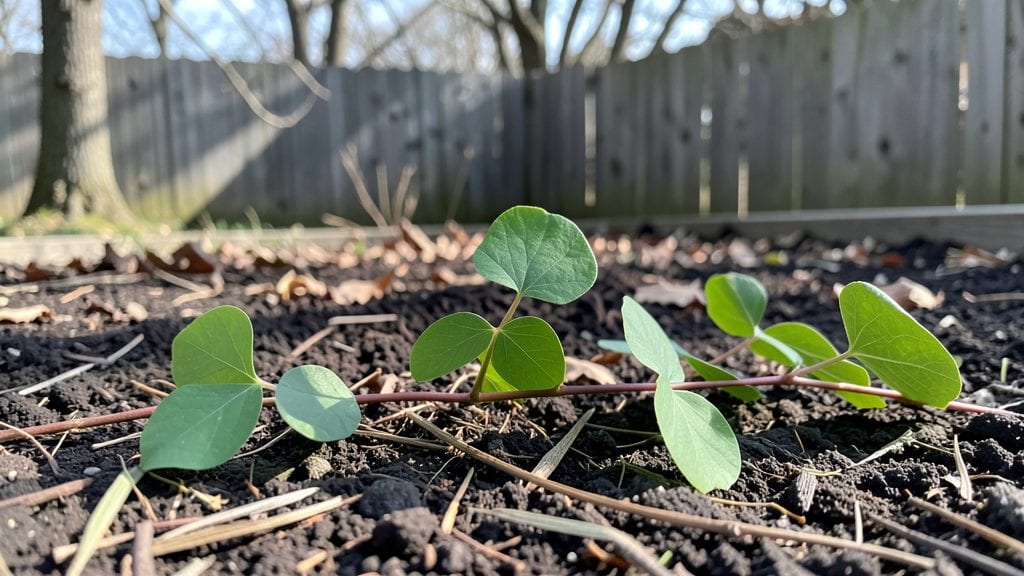
Poison ivy seedlings can take over a garden in weeks if you don’t act fast. ✨ I’ve wrestled with these sneaky vines more times than I’d like to admit, but I’ve cracked the code for removing them without regrowth—safely and without breaking a sweat.
The key is speed and precision: grab gloves, long sleeves, and a sharp tool, then yank those seedlings before their roots deepen. Most people make the mistake of pulling too late—by then, the roots have spread, and you’re fighting a losing battle.
I’ve even used a mix of vinegar and dish soap for stubborn spots, but always test a small area first.
Within 24 hours of proper removal, your garden will look cleaner, and the itch-inducing threat will be gone. The secret? Don’t let them grow taller than your ankle—once they climb, they’re nearly impossible to kill without chemicals. Prevention is easier than cleanup.
Works for backyard borders, garden edges, or even sidewalk cracks. Here’s how to keep your space poison-free for good—without the mess or the misery.
How Young Plants Trigger Reactions
Poison ivy seedlings may seem harmless, but their presence can lead to painful, itchy rashes—even when they’re just sprouting. Understanding the science behind why these tiny plants cause such big problems helps you avoid and manage them effectively. Here’s why seedlings are so troublesome:
Poison ivy seedlings contain urushiol, a clear, oily resin that triggers an allergic reaction in most people. Unlike mature vines, seedlings have softer, more delicate leaves, making them easier to crush or damage—releasing urushiol into the air or onto surfaces.
- How it happens: When you brush against a seedling, urushiol binds to your skin, hair, or even clothing.
The oil can linger on tools, pets, or outdoor gear for years, waiting to cause a reaction. - Actionable tip: Wear long sleeves, gloves, and closed-toe shoes when working near seedlings. Avoid touching plants without proper protection.
Crushing or cutting poison ivy seedlings releases urushiol particles into the air. These microscopic droplets can settle on your skin, clothing, or even your lungs if inhaled—leading to blisters or respiratory irritation.
- Science behind it: Urushiol evaporates quickly, turning into a fine powder. A single crushed seedling can contaminate a 10-foot radius in minutes. - Prevention tip: Use long-handled tools to avoid direct contact.
If you must cut seedlings, wear a NIOSH-approved respirator (like an N95 mask) to block airborne particles.
Pets, gardening tools, and even children’s toys can carry urushiol from seedlings to your skin. Since the oil is odorless and invisible, you might not realize you’ve been exposed until 24–72 hours later when the rash appears.
- Common transfer routes:
- Pets (paws, fur) tracking urushiol indoors.
- Gardening tools (shears, rakes) left contaminated.
- Clothing or shoes brushing against infected areas.
- Cleanup solution: Wash pets’ paws, disinfect tools with rubbing alcohol (70%+), and launder clothes separately in hot water.
Seedlings thrive in shady, moist environments, but these conditions also make urushiol more active. Sunlight can break down plant cells, releasing more urushiol, while humidity helps the oil spread farther.
- Why it matters: Wet seedlings (after rain or watering) are twice as likely to cause severe reactions because urushiol disperses more easily. - Smart removal tactic: Remove seedlings on dry, windless days to minimize airborne spread.
Use a vinegar solution (1:1 with water) to weaken seedlings before pulling.
Urushiol doesn’t cause an immediate burn—it takes 12–48 hours for your immune system to react. By then, you might have touched doorknobs, hugged a pet, or even sat on contaminated furniture, spreading the rash.
- The science: Your body recognizes urushiol as a threat, triggering histamine release, which causes inflammation, blisters, and itching.
- Key takeaway: Wash exposed skin within 10 minutes of contact with cold, soapy water (not hot) to reduce absorption.
Young poison ivy plants often blend into grass, mulch, or other greenery. Their three-leaf pattern (with one smooth leaflet) may be less obvious than mature vines, leading to accidental exposure.
- Red flags for seedlings:
- Reddish stems (unlike mature vines, which are woody).
- Smooth, glossy leaves (vs. rougher adult foliage).
- Clusters near trees or fences (common germination spots).
- Scouting tip: Inspect low-growing areas with a magnifying glass or wear UV gloves (urushiol glows under UV light).
Bottom line: Seedling poison ivy is a stealthy menace because its toxins are invisible, persistent, and easily spread. The good news? Knowing these triggers helps you avoid, remove, and clean up safely before reactions flare up.
How to Remove It Safely
Now that you understand why seedling poison ivy pops up and spreads, it’s time to tackle it head-on—without risking regrowth or exposure to its irritating oils. The key is a three-step approach: identify, eliminate, and prevent.
Below, we break down practical solutions tailored to the root cause of your problem, whether it’s accidental spread, poor removal, or environmental factors.
Cause: Small seedlings slip past notice, but early action prevents them from maturing into stubborn vines.
Fix:
- Gloves + Cover Up First! 🧤 Before touching anything, wear thick, long-sleeve gloves (nitrile or leather) and cover exposed skin with old clothing. Poison ivy’s oil (urushiol) clings to skin and tools—wash everything immediately after.
- Pull or Dig It Out 🔥 Use a trowel or garden fork to dig out the entire root system (even tiny seedlings have roots!). If pulling by hand, grasp the base and yank firmly—no snapping (this leaves root fragments that regrow).
- Bag & Dispose 🗑️ Seal the plant in a plastic bag and toss it in the trash (not compost!). Double-bag if possible to avoid accidental contact.
Pro Tip: 💡 Spray the soil with vinegar (50% water, 50% vinegar) after removal to kill any lingering oils or seeds.
Cause: Missed seedlings grow into patches, making manual removal tedious and less effective.
Fix:
- Cut & Treat (For Larger Patches) ⏰
- Trim the Vines 🔪 Use loppers or pruners to cut vines at the base. Wear gloves and eye protection—sap can irritate eyes.
- Apply Herbicide (If Needed) 🌡️ For stubborn patches, use a glyphosate-based herbicide (like Roundup) only on sunny days (it works best with sunlight). Spray the leaves and stems, not just the soil.
- Reapply in 1-2 Weeks 🔄 Poison ivy is resilient—check for regrowth and treat again if necessary.
- Solarization (For Soil-Bound Seedlings) ✨ If seedlings keep sprouting in the same spot, smother them with black plastic sheeting for 4-6 weeks in hot sun. This bakes the soil and kills seeds/roots naturally.
Pro Tip: 🔥 Avoid burning poison ivy—smoke spreads urushiol and can cause severe respiratory irritation.
Cause: Poor maintenance or unaware neighbors/animals spread seeds or fragments.
Fix:
- Barrier Methods 🛡️
- Mulch Thickly 🍂 Apply 3-4 inches of mulch (wood chips or gravel) around garden beds to block sunlight and suppress seedlings.
- Landscape Strategically 🌳 Plant dense ground covers (like clover or creeping thyme) or tall shrubs (e.g., boxwood) to outcompete poison ivy.
- Regular Scans 👀 Check your yard weekly (especially in spring/summer) for new growth. Early removal is 100x easier than battling a mature plant.
- Educate Others 🗣️ If neighbors have poison ivy, politely ask them to treat it—seeds can travel on clothing, pets, or wind for miles.
Pro Tip: 🌡️ Keep your tools clean! After working in an infested area, wash pruners/shovels with soap and water, then rub with rubbing alcohol to remove urushiol.
Cause: Accidental contact happens—here’s how to minimize reactions.
Fix:
- Wash Immediately 🚿 Use cold water and soap (like Tecnu or Dawn) within 10-15 minutes of exposure. Hot water opens pores, making urushiol penetrate deeper.
- Rinse with Alcohol 🧴 After washing, dab (don’t rub) with rubbing alcohol to remove any remaining oil.
- Monitor for Rash 🩹 If a rash appears, use calamine lotion or hydrocortisone cream (1%) to reduce itching. Avoid scratching—it can cause infections.
- When to See a Doctor 🏥 Seek medical help if:
- The rash covers large areas (face, genitals, >25% of body).
- You develop swelling, fever, or blisters (signs of a severe reaction).
Pro Tip: ✨ Keep a first-aid kit with soap, alcohol wipes, and antihistamines in your garden shed or car for quick action.*
Frequently asked questions
How can I tell if a tiny plant is a poison ivy seedling?
Look for three shiny, smooth leaflets arranged in a V-shape with one leaflet at the end. Seedlings have reddish stems and grow close to the ground, often near fences or trees. Use a magnifying glass for hard-to-see patches, and wear UV gloves—urushiol glows under UV light!
Is vinegar safe to use on poison ivy seedlings?
Yes! A 1:1 vinegar and water solution works well for seedlings. Spray it directly on the leaves and stems, then pull them out after 10-15 minutes when the vinegar weakens the plant. Avoid using it on desirable plants—vinegar can harm them too.
What should I do if I accidentally crush a poison ivy seedling?
Wash exposed skin immediately with cold water and soap (like Tecnu or Dawn) for 10-15 minutes. Avoid hot water—it opens pores and increases urushiol absorption. Then, rinse with rubbing alcohol to remove any remaining oil.
Can I compost poison ivy seedlings?
No! Never compost poison ivy—even small seedlings. The urushiol oil can survive composting and spread to other plants or your skin. Instead, double-bag the seedlings in plastic and throw them in the trash.
How often should I check for new poison ivy seedlings?
Inspect your yard weekly during spring and summer when seedlings are most active. Focus on shady, moist areas like garden beds, mulch, or near fences. Early removal is 100x easier than dealing with mature vines!