Propagation
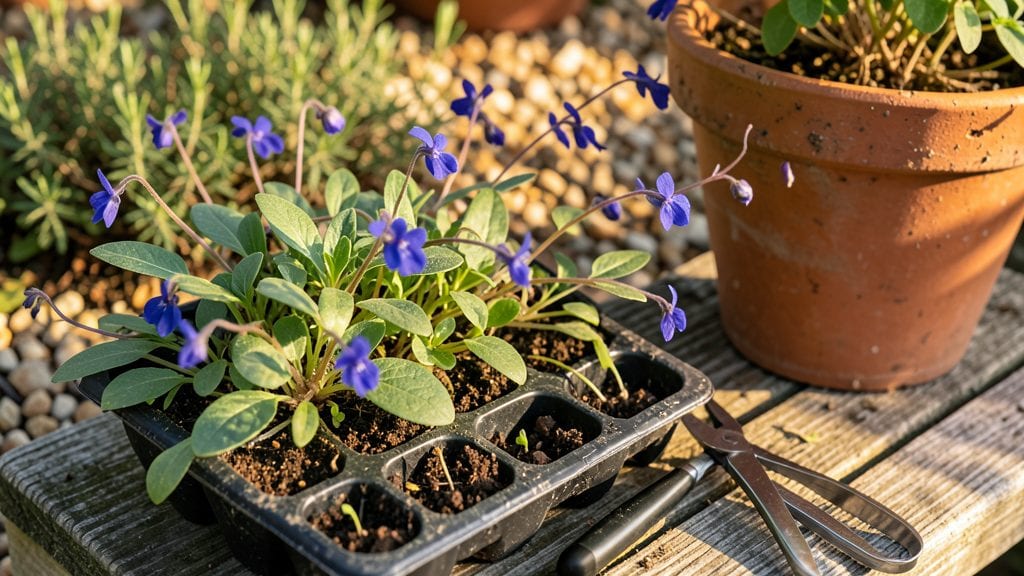
That moment when your seed with leaves unfurls into proper foliage is thrilling—but it’s also when overzealous care can choke your plant’s potential. ✨ (or the wrong kind). I’ve nursed dozens of seedlings through this stage, and I’ll show you exactly how to keep them thriving without the guesswork.
The key is balancing light, moisture, and air flow like a tightrope walk. Seedlings need bright light—at least 12 to 14 hours a day—to prevent leggy, weak stems, but too much direct sun scorches them.
Water just enough to keep the soil damp, not soggy, and use a spray bottle to avoid disturbing delicate roots. A simple fan on low circulation strengthens stems and prevents damping off, that dreaded fungal disease.
By the time those leaves are a few inches tall, you’ll be ready to transplant with confidence. The roots will be strong enough to handle a bigger pot or garden bed, and you’ll avoid the shock that kills so many seedlings.
Think of it as graduation day for your little plants—they’re about to grow up fast.
Works for tomatoes, herbs, flowers, or veggies—just adjust the timing based on your climate. Let’s get those seedlings through their first real test with zero casualties.
Why it happens
When your seed sprouts leaves before fully developing roots—or worse, while still attached to the seed—it’s not just a quirky quirk of nature. There are very specific reasons this happens, and understanding them can help you avoid frustration and boost success rates.
Let’s break down the science behind why your seedlings sometimes grow leaves too early (or in the wrong place) and what’s really going on in that little soil ecosystem.
🌱 Premature Nutrient Depletion in the Seed
Seeds are like tiny survival kits: packed with stored energy (in the form of endosperm or cotyledons) to fuel the seedling’s first days of life.
But if this energy runs out too quickly, the plant may start pulling nutrients from the seed coat itself—or even the leaves—before roots are strong enough to support it. This often happens when:
- Seeds are too old or dried out: Older seeds have degraded starches and proteins, forcing the seedling to tap into leaves for extra sustenance. Pro tip: 💡 Test seed viability by floating them in water—sinkers are fresher!
- Germination happens in poor soil: Nutrient-poor or overly dense soil starves the seedling, making it desperate for any energy source. Fix it: Mix in compost or a slow-release fertilizer like worm castings.
- Overcrowding in the seed tray: Competing seedlings deplete shared resources faster. Action step: Thin seedlings to 1–2 inches apart as soon as they sprout.
🔍 Watch for: Leaves turning yellow or curling—this is a cry for help from a starving seedling.
🌡️ Temperature and Moisture Mismatches
Seeds are sensitive to their environment, and extreme conditions can throw off their natural growth timeline. If temperatures or moisture levels are too high or inconsistent, the seedling may bolt (shoot up leaves) before its root system is ready. Here’s why:
- Heat stress: Soils above 85°F (29°C) can accelerate germination but slow root development. Solution: Use a heat mat for consistent warmth (70–75°F is ideal for most seeds) and avoid placing trays near radiators or direct sunlight.
- Inconsistent moisture: Drying out then rewatering shocks the seedling, forcing it to prioritize leaf growth over roots. Fix: Keep soil consistently moist (not soggy) with a humidity dome or pebble tray.
- Cold snaps: Chilly temps slow root growth but may not halt leaf production, creating a weak, leggy seedling. Pro tip: 🌡️ Use a seedling heat mat to maintain stable temps during cool nights.
📊 Quick test: Press your finger into the soil—it should feel like a wrung-out sponge. If it’s dry, rewet gently.
🧬 Genetic Quirks and Plant Species Traits
Not all seeds are created equal! Some plants are hardwired to produce leaves early as part of their survival strategy. For example:
- Epiphyte seeds (like orchids or African violets): These plants evolve to grow leaves quickly to capture sunlight before roots establish. Workaround: Use clear plastic domes to simulate forest-floor humidity.
- Fast-growing annuals (e.g., basil, lettuce): These bolt within days if conditions are right. Solution: Pre-chill seeds (stratify) to delay germination until you’re ready.
- Legumes (beans, peas): Their seeds may split open prematurely, exposing leaves to air and stress. Fix: Plant them slightly deeper (2–3x seed width) to encourage root growth first.
🔎 Species hack: Check your seed packet for days to germination—this tells you if your plant is a speedster or a slowpoke.
🦠 Fungal or Bacterial Interference
Unseen pathogens can hijack a seedling’s energy, causing it to divert resources to leaves instead of roots. Common culprits include:
- Damping-off fungus: This soil-borne enemy attacks the stem base, weakening the seedling’s ability to absorb nutrients. Prevent: Sterilize soil with baking soda (1 tsp per quart of water) or hydrogen peroxide (3%).
- Bacterial soft rot: Overwatered or compacted soil breeds bacteria that “eat” the seed’s nutrients, leaving leaves malnourished. Action: Use well-draining soil (cactus mix works for succulents) and avoid watering from above.
- Mold on seed coats: Fuzzy white/green growth signals fungal competition. Emergency fix: Remove affected seedlings and treat soil with neem oil (1 tsp per gallon of water).
🚨 Red flag: If leaves appear mushy or blackened at the base, isolate the seedling immediately.
🌿 Light Exposure Gone Wrong
Too much—or too little—light can throw off a seedling’s priorities. While leaves need sunlight to photosynthesize, premature light exposure can trick the seedling into thinking it’s time to grow fast, even if roots aren’t ready.
- Direct sunlight burns: Intense light (especially in hot climates) can scorch delicate leaves, forcing the seedling to “overproduce” in a panic. Fix: Use sheer curtains or shade cloth (30–50% block).
- Low-light legginess: Stretching toward weak light weakens stems and roots. Solution: Place trays under grow lights 2–3 inches away (12–16 hours/day).
- Uneven light distribution: Seedlings on tray edges get more light and may grow leaves faster than center ones. Pro tip: 🎯 Rotate trays daily for even growth.
💡 Light hack: Start with 14–16 hours of light/day—too little delays root growth, but too much stresses seedlings.
Quick fixes for leafy seeds
When your seeds sprout leaves too early—or fail to grow properly—don’t panic! These practical solutions will help you correct the issue and set your plants up for success. Below, we’ve mapped common problems to their fixes, along with prevention tips to keep your propagation journey smooth.
If your seedlings are developing leaves before establishing strong roots, they may struggle to sustain themselves. Here’s how to slow them down and strengthen their foundation:
🔥 Adjust Light Exposure
Too much light can trigger rapid leaf growth while roots lag behind. Reduce intensity by:
- Moving seedlings 3–6 inches farther from grow lights or sunlight.
- Using sheer curtains if natural light is too strong.
- Opting for low-light conditions (like a shaded windowsill) for 1–2 days to pause leaf production.
🍳 Limit Watering Frequency
Overwatering can dilute nutrients and encourage top-heavy growth. Water only when the top inch of soil feels dry—use a spray bottle for gentle moisture. Pro tip: 💡 Let seedlings sit in a humidity dome (or a plastic bag with holes) to retain moisture without drowning roots.
👨🍳 Feed with Diluted Fertilizer
Seedlings need nutrients, but too much too soon can cause leafy chaos. Use a half-strength liquid fertilizer (like fish emulsion or seaweed extract) only after true leaves appear. Avoid high-nitrogen formulas—they promote foliage over roots.
If your seedlings look like they’re reaching for the sky with weak stems, they’re likely etiolated (stretched and pale). Fix it with these steps:
⏰ Increase Light Duration
Leggy seedlings need 14–16 hours of light daily. Use a grow light on a timer or supplement with natural light by placing them near a south-facing window (or the brightest spot in your home).
🔪 Prune Strategically
If stems are already too tall, pinch off the top set of leaves just above a leaf node. This encourages bushier growth and redirects energy to root development. Warning: ✨ Only do this if the seedling has at least 2–3 true leaves to avoid stunting it.
🌡️ Optimize Temperature
Cool temps (below 60°F/15°C) slow growth and can cause legginess. Keep seedlings in a warm (70–75°F/21–24°C) spot, like near a heat mat or under a grow light with gentle warmth.
If your seeds either refuse to sprout or turn mushy, the issue is usually moisture or temperature-related. Here’s how to revive them:
💡 Test Soil Moisture
Overwatering is the #1 killer of seeds. Check soil moisture by sticking your finger in—it should feel damp, not soggy.
If mold appears, stop watering for 2–3 days and improve airflow by: - Opening vents or placing a small fan nearby (gentle breeze helps). - Using sterilized soil (bake potting mix at 200°F/93°C for 30 mins to kill fungi).
🎯 Adjust Germination Conditions
Some seeds need warmth to germinate, while others prefer cooler temps. Research your plant type, but a general rule:
- Warm-loving seeds (peppers, tomatoes): Use a heat mat (75–85°F/24–29°C).
- Cool-loving seeds (lettuce, spinach): Keep soil at 60–70°F/15–21°C.
🔄 Try a Fresh Batch of Seeds
If seeds are old (over 1 year), they may have low viability. Test a few in a paper towel germination tray (moisten a paper towel, place seeds between two, and seal in a bag) to see if they sprout before replanting.
Once you’ve corrected the issue, keep these habits to avoid repeat problems:
- Start with fresh seeds (check expiration dates—older seeds = lower germination rates).
- Use well-draining soil (mix in perlite or vermiculite to prevent rot).
- Label seedlings by date and plant type to track growth stages.
- Hardening off (gradually expose seedlings to outdoor conditions) before transplanting reduces shock.
With these fixes, your seedlings will grow strong roots first, then lush leaves—no stress required! 🌿
Frequently asked questions
What’s the difference between cotyledons and true leaves on seedlings?
Cotyledons are the first leaves that appear—they store nutrients from the seed. True leaves develop next and look different in shape/color. For example, tomato cotyledons are thick and round, while true leaves are jagged. Wait until true leaves appear before transplanting.
How do I know when my seedlings are ready to transplant?
Seedlings are ready when they have 2–3 sets of true leaves and roots fill the container. Gently squeeze the pot—if roots tangle around the edges, it’s time. Harden them off first by exposing to outdoor conditions for 5–7 days gradually.
Why are my seedlings growing leaves but no roots?
This usually happens from overwatering or poor soil drainage. Check if the soil stays soggy or if mold appears. Use well-draining mix (50% potting soil + 50% perlite) and water only when the top inch feels dry. A humidity dome helps too.
Can I use regular potting soil for seedlings?
Not ideal—regular potting soil can compact and suffocate roots. Use a lightweight seed-starting mix (50% peat moss, 30% perlite, 20% vermiculite) instead. This prevents damping off and encourages faster root growth.
How do I fix leggy seedlings with too many leaves?
Move them to brighter light immediately (14–16 hours/day) and pinch off the top set of leaves just above a leaf node. This redirects energy to root growth. Keep temps warm (70–75°F) and avoid overcrowding—space them 1–2 inches apart.