Lawn
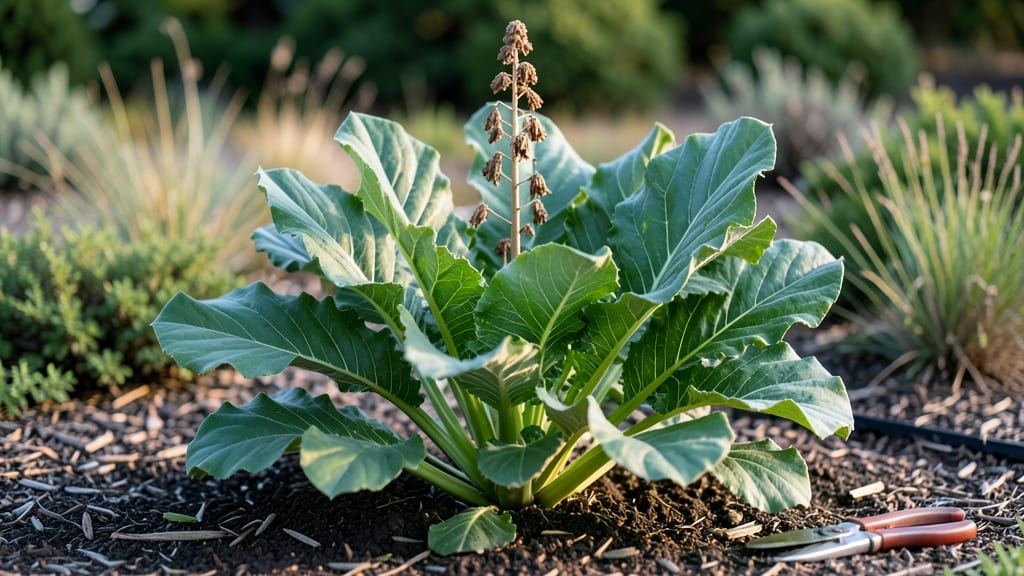
Rhubarb seed heads are the dried flower clusters that form after harvest, containing viable seeds for propagating new plants. To save them, leave mature heads on stalks until fully brown, then collect, dry thoroughly, and store in a cool, dry place for planting next spring.
Those woody, dried clusters that appear after rhubarb blooms are nature's way of preserving the next generation of plants. 🌱 The seeds inside remain viable for years if stored properly, making them a gardener's time capsule.
I've found that collecting them after the first frost improves germination rates—nature's way of ensuring survival through harsh conditions. These dried seed heads also make beautiful, rustic decorations while serving their functional purpose.
Once fully brown and crisp, the seed heads can be gently rubbed between your fingers to release the tiny, dark seeds. Store them in labeled paper envelopes in a dark, cool spot like your refrigerator's crisper drawer.
This mimics the natural dormancy period and keeps them fresh until spring planting. Just remember: patience is key—these seeds may take longer to sprout than store-bought varieties, but the reward is worth it.
💡 In This Article
- How Rhubarb Seed Heads Develop and Store Seeds
- Step-by-Step Guide to Harvesting and Saving Rhubarb Seeds
How rhubarb seed heads develop and store seeds
Rhubarb seed heads begin as vibrant green flower clusters that appear in late spring after the plant's edible stalks have been harvested. The transformation starts when pollinators like bees transfer pollen between flowers, triggering the development of tiny seeds inside each blossom.
Here's what's actually happening: the plant's energy shifts from producing leaves and stalks to maturing reproductive structures, causing the flower clusters to harden and turn brown as they dry out. This process typically takes about 6-8 weeks from initial bloom to full maturity, depending on your climate zone.
The key factor is seed viability timing, which peaks when the seed heads reach a deep, papery brown color and become brittle to the touch. At this stage, the seeds inside have completed their development and entered a dormant state—nature's way of ensuring they'll germinate only when conditions are optimal.
Most gardeners find that seeds collected after the first frost have higher germination rates, likely because the cold period breaks down some natural inhibitors in the seed coat. The seeds themselves are tiny, dark brown, and roughly 1-2 millimeters in size, resembling fine sand when released from the dried heads.
What most people don't realize is that these seeds require a period of cold stratification to break dormancy. When stored in cool conditions (around 35-40°F), the seeds undergo physiological changes that prepare them for germination.
This mimics the natural winter cycle and typically takes about 60-90 days of consistent cold exposure. The ideal storage environment should also maintain low humidity (around 30-40%) to prevent mold growth while keeping the seeds dry.
This combination of cold and dryness creates the perfect conditions for long-term seed viability.
Interestingly, rhubarb seeds have a remarkable lifespan—some sources report viability for up to 5 years when stored properly. The secret lies in their hard seed coat that protects the delicate embryo inside from desiccation and environmental damage.
Unlike many garden seeds that lose viability quickly, rhubarb seeds seem to have evolved this longevity as a survival strategy for their perennial growth habit. This means you could potentially collect seeds one year and successfully grow new plants several years later, though germination rates may decline over time.
The biological process involves several fascinating stages. First comes pollination, where the plant's flowers are fertilized. Then the ovaries develop into seed pods within the flower cluster. As these pods mature, they dry out completely, turning from green to brown as moisture content drops below 10%.
The final stage is when the seed heads become light enough to be carried away by wind—though gardeners usually collect them before this happens. This entire process is a brilliant example of how plants have adapted to ensure their survival across generations.
For gardeners, understanding this process means you can time your seed collection perfectly. Wait until the seed heads are completely dry and brown before harvesting, as premature collection may result in underdeveloped seeds.
Once collected, store them in labeled paper envelopes in a cool, dark place—this preserves their viability while protecting them from pests and moisture. The paper allows for some air circulation, preventing condensation that could lead to mold.
This careful storage mimics the natural conditions these seeds would experience in the wild during their dormant period.