Propagation
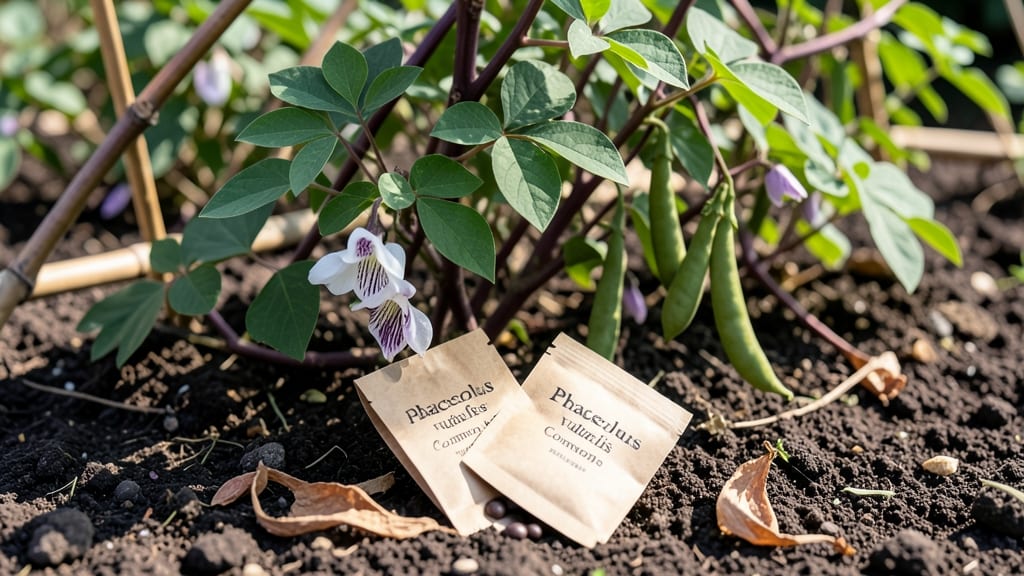
Yes, seeds reproduce through germination, where they develop into new plants after fertilization from pollination. This process relies on viable seeds, ideal growing conditions, and successful transfer of pollen between parent plants.
Seeds kickstart plant reproduction by germinating—sprouting roots and shoots when conditions are right. 🌱 The magic starts with pollination, where pollen travels from flower to flower (thanks to bees, wind, or even animals) to fertilize ovules, creating seeds packed with genetic potential.
Without this step, no new plants would grow—it's the biological foundation of how species multiply and thrive across generations.
What makes this process fascinating is how sensitive it is to environmental cues. A single seed might need consistent moisture, stable temperatures between 60-80°F, and even specific light exposure to break dormancy. For gardeners, understanding these triggers means the difference between a thriving harvest and wasted effort.
💡 In This Article
- The Science of Seed Germination and Plant Reproduction
- How to Improve Seed Reproduction in Your Garden
The science of seed germination and plant reproduction
At the heart of plant reproduction lies a delicate biological dance between pollination and germination. Flowers produce pollen grains containing male gametes, while the ovules inside the ovary hold female gametes.
When pollen lands on a compatible stigma, it germinates, forming a pollen tube that delivers sperm cells to the ovule—this fertilization event creates a zygote that develops into an embryo encased in a seed.
The entire process relies on precise molecular signals, with hormones like gibberellins playing a starring role in breaking seed dormancy and triggering growth.
Pollination methods vary dramatically across plant species. Wind-pollinated plants like corn release massive quantities of lightweight pollen (up to 1 million grains per tassel), while insect-pollinated flowers such as tomatoes produce sticky, protein-rich pollen that clings to bee legs.
The efficiency difference is staggering: wind pollination has a 1-5% success rate, whereas insect-mediated transfer can reach 90%+ efficiency due to targeted delivery. 🌬️ This explains why many crops rely on pollinator-friendly gardening practices to ensure reproductive success.
Once fertilized, seeds enter a dormant phase where metabolic activity slows to a crawl—sometimes for years. This dormancy is nature's way of ensuring seeds only germinate when conditions are optimal.
The hormone gibberellin acts as a master switch, breaking dormancy when environmental cues (like consistent moisture and proper temperature) are detected.
For example, lettuce seeds often require light exposure to trigger gibberellin production, while pea seeds need cold stratification (40°F for 2-4 weeks) to mimic winter conditions before sprouting.
Environmental factors create a precise window for germination success. Seeds typically need moisture to activate enzymes that break down stored nutrients, warmth to fuel metabolic reactions, and either light or darkness depending on the species.
The classic example is tomato seeds, which germinate best in 70-80°F soil with consistent moisture—dry spells or temperatures below 50°F can halt the process entirely. This explains why gardeners often use seedling heat mats during cool seasons.
What most people don't realize is how tightly linked seed development is to the parent plant's health. Malnourished plants produce seeds with thinner seed coats and lower nutrient reserves, reducing germination rates.
For instance, a well-fertilized sunflower plant might yield seeds with 45% higher germination success than an underfed counterpart. This biological efficiency ensures only the healthiest genetic material survives to propagate the species.
The entire cycle demonstrates nature's remarkable efficiency. From the moment pollen lands to the seedling's first true leaves, each step is optimized for survival.
Understanding these mechanisms helps gardeners create conditions that mimic a plant's natural environment—whether through proper watering schedules, strategic companion planting, or selecting seeds from healthy parent plants. 🌱