Planting
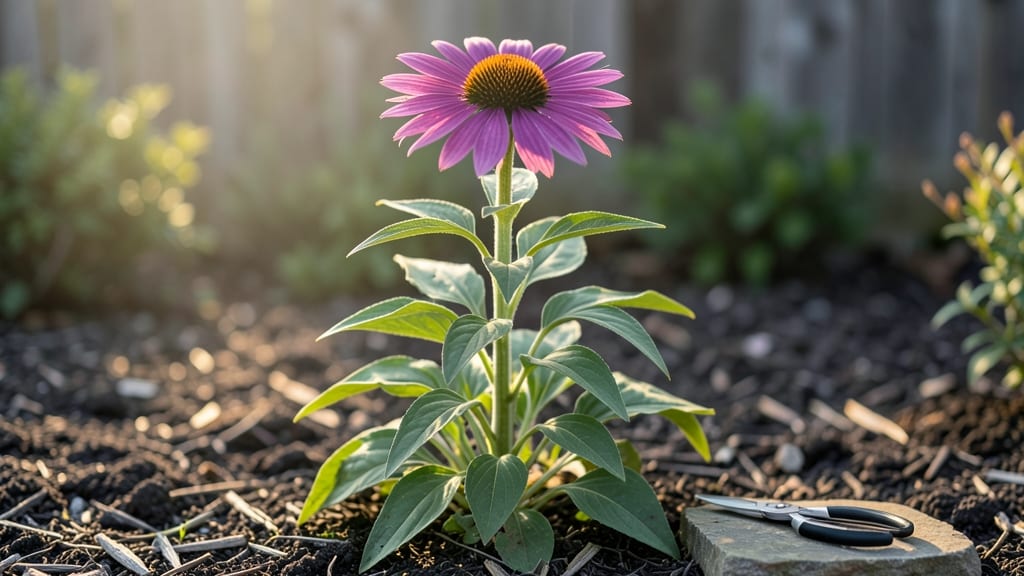
A plant seed identifier is your first line of defense against seed mix-ups—because nothing ruins a garden faster than planting peppers when you actually wanted tomatoes. 🌱 I’ve had seed packets arrive mislabeled or seeds mixed up more times than I’d like to admit, and the key... to avoiding that frustration is learning just a few simple traits: leaf shape, plant height, and even the way seeds look before sprouting.
The good news? You don’t need a degree in botany to start.
A basic seed identifier (like a free app or a printed chart) paired with a magnifying glass gives you all the clues you need—cotyledons, seed size, and even the smell of crushed leaves can tell you if you’re holding tomato or pepper seeds.
Most mistakes happen because we skip the first step: checking the packet and the seed itself.
By the end of this, you’ll spot the difference between round, fuzzy seeds (tomato) and small, blocky ones (pepper) in seconds. No more guessing, no more wasted space in your garden, and no more blaming the seeds when your basil turns out to be mint.
Let’s get those seeds matched to the right plants before they even sprout.
Works for heirlooms, hybrids, or mystery seeds from your grandma’s stash—just bring your curiosity and a little patience. The right ID means your garden starts with confidence, not confusion.
📚 In This Guide
- What you need
- Instructions
- Tips and common mistakes
- Wrapping up and next steps
What you need
- ● Plant seeds or samples: 1–5 seeds (or leaves/stems) for identification—fresh or dried works!
- ● Magnifying glass: 1 (5x–10x magnification) for close-up leaf/seed inspection.
- ● Ruler or measuring tape: 1 (metric/imperial) to measure leaf length, width, and spacing.
- ● Notebook or digital device: 1 (for notes, sketches, or photos of key features).
- ● Plant identification app: 1 (e.g., PlantNet, PictureThis, or iNaturalist) for real-time matching.
- ○ Grow light or sunny window: 1 (optional but helpful for sprouting seeds to observe growth patterns).
- ● Seed germination kit: 1 (for testing viability if identifying from seeds).
- ● Camera with macro mode: 1 (for high-res images of fine details like vein patterns).
- ● Field guidebook: 1 (e.g., National Audubon Society Field Guide for regional plants).
- ● Garden gloves: 1 pair (to protect hands when handling prickly or unknown plants).
Quick guide to identifying plant seeds by leaf shape and growth clues
Here's how to decode plant seeds fast—just watch for these key leaf and growth patterns.
🌱 Step 1: Observe the First True Leaves
When seedlings first emerge, the initial leaves (called cotyledons) don't help with identification—they're just energy storage. What matters are the second set of leaves that appear next. These are called "true leaves," and their shape reveals the plant's identity instantly.
For example, look for lobed leaves (like oak or maple) or serrated edges (like tomato or parsley). I always snap a photo of these first leaves—it's the fastest way to reference later. If the leaves are needle-like or scale-like, you're likely dealing with a conifer like pine or spruce.
🌿 Step 2: Check Leaf Arrangement and Stem Patterns
Next, examine how the leaves attach to the stem. Alternate leaves (one per node, staggered up the stem) often indicate trees like willow or birch, while opposite leaves (two per node, directly across from each other) suggest plants like mint or basil.
Pay attention to the stem too. If it's hairy or fuzzy, it might be a member of the mint family. If the stem is square-shaped, you're probably looking at a member of the mint family (yes, mint again—it's sneaky!). A round or cylindrical stem could mean almost anything, so rely more on the leaves here.
☀️ Step 3: Note Growth Habits and Plant Structure
Watch how the plant grows. Vining plants with tendrils (like cucumbers or peas) will climb or sprawl, while bushy plants (like tomatoes or peppers) grow upright with multiple branches. If the seedling has thorns or prickles, it's likely a rose or similar plant.
Also, check the root structure if you can see it. Taproots (like carrots or dandelions) grow straight down, while fibrous roots (like grasses or onions) spread out. This is a game-changer for distinguishing between similar-looking seedlings.
💧 Step 4: Compare with Known Seedling Reference Guides
Now that you've gathered clues, cross-reference them with a seedling identification guide. I keep a printed chart nearby with common plants and their leaf shapes—it's a lifesaver when I'm unsure. Look for matches in leaf shape, arrangement, and growth habit.
If you're still stuck, consider the time of year and what you planted. Seasonal clues can narrow it down fast. For example, if you're in late spring and see a lobed leaf, it's probably a tomato or pepper seedling you started indoors.
⏰ Step 5: Confirm with Flower or Fruit Development
If the plant is mature enough to flower or fruit, those are the ultimate identifiers. White flowers with yellow centers might be a marigold, while purple flowers in clusters could be basil. Even if you can't see flowers yet, note the color and texture of the leaves—dark green and glossy often means a healthy, fast-growing plant like basil or mint.
Real talk: sometimes you'll still be unsure, and that's okay. The key is to eliminate possibilities. If you've ruled out everything but two options, check which one matches the seed packet you planted—or just let it grow and see what it becomes!
Tips & tricks for quick plant seed identification
Decoding plant seeds doesn't have to be a guessing game—these quick tips will help you spot key clues faster than ever.
True Leaves Are Your Best Friend: In Step 1, when you're examining those second set of leaves, focus on their edges first. Serrated edges (tiny teeth along the leaf) are a dead giveaway for plants like parsley or tomatoes, while smooth edges often indicate herbs like basil. I keep a small magnifying glass handy—it reveals details you'd miss with your eyes alone.
Stem Shape Reveals Family Traits: That square-shaped stem in Step 2? It's practically screaming "mint family" at you. I've identified basil, oregano, and even catnip just by spotting that distinctive four-sided stem. For round stems, check the leaf arrangement—alternate leaves often mean trees, while opposite leaves point to herbs or shrubs.
Growth Habits Tell the Whole Story: When you're observing growth patterns in Step 3, think about the plant's natural behavior. Vining plants with tendrils? That's your cue to check for cucumbers or peas. Bushy growth with multiple branches? Likely a tomato or pepper. I've saved myself hours of confusion by simply watching how the plant grows before digging deeper.
Seasonal Clues Can't Be Ignored: In Step 4, don't overlook the time of year. Late spring lobed leaves? Almost certainly tomatoes or peppers from your indoor starts. Early summer needle-like leaves? Probably pine seedlings. I keep a seasonal planting journal that notes when I planted what—it's been a game-changer for narrowing down possibilities quickly.
Pro Tips for Plant Seed Identifier
- Decoding plant seeds doesn't have to be a guessing game—these quick tips will help you spot key clues faster than ever.
- True Leaves Are Your Best Friend: In Step 1, when you're examining those second set of leaves, focus on their edges f...
- Stem Shape Reveals Family Traits: That square-shaped stem in Step 2? It's practically screaming "mint family" at you....
Frequently asked questions
Got questions about using a plant seed identifier? You’re not alone! Here are some of the most common queries—and quick answers to help you grow with confidence.
How do I know if my seed is viable before planting?
Test viability by placing seeds in a damp paper towel, sealing them in a plastic bag, and storing them in a warm spot for 5–7 days. If sprouts appear, they’re good to go! For stubborn seeds, try the float test: Healthy seeds usually sink in water, while hollow or dead ones float. Pro tip: Check seed packets for expiration dates—older seeds may need extra care!
Can I identify a seed just by looking at its shape?
Shape is a great starting point, but seeds from the same family (like beans or sunflowers) can look similar. Pair shape with other clues: size, color, texture, and even the plant’s growth habits (e.g., vines vs. bushy plants). Use a plant seed identifier app or database to cross-reference details for accuracy.
What if my seed doesn’t sprout after following all the steps?
Don’t panic! Try these troubleshooting steps:
- Check moisture: Overwatering can drown seeds; underwatering may prevent germination.
- Adjust temperature: Some seeds need warmth (like a heating mat), while others prefer cooler temps.
- Test light needs: Some seeds (e.g., lettuce) need light to sprout, while others (like tomatoes) prefer darkness.
- Consider age: Older seeds may need scarification (scratching the shell) or stratification (cold treatment).
Are there free alternatives to paid seed identifier tools?
Start with free resources like:
- Seed Savers Exchange (community-driven database)
- Apps like PictureThis or PlantNet (upload photos for ID help)
- Local gardening forums or university extension offices (often have experts on hand).
How do I adapt seed identification for tropical vs. temperate climates?
Climate affects germination and growth! Tropical seeds (e.g., hibiscus, papaya) often need consistent warmth (70–90°F) and high humidity. Temperate seeds (like peas or carrots) may require cooler temps (60–70°F) and stratification. Always check the seed’s native region—if it’s from a rainforest, mimic those conditions (like a humidity dome). For tricky cases, start seeds indoors under grow lights before transplanting.
Wrapping up and next steps
Identifying plant seeds using leaf shapes and growth clues doesn’t have to be a guessing game—it’s all about observing details and leveraging the right tools! 🌱 Whether you’re a gardening newbie or a seasoned green thumb, mastering these techniques will help you grow a thriving garden with confidence.
Ready to put your new skills to the test? Grab a notebook, head outdoors, and start collecting those leaf samples today! Your future plants—and your garden—will thank you.