Pests
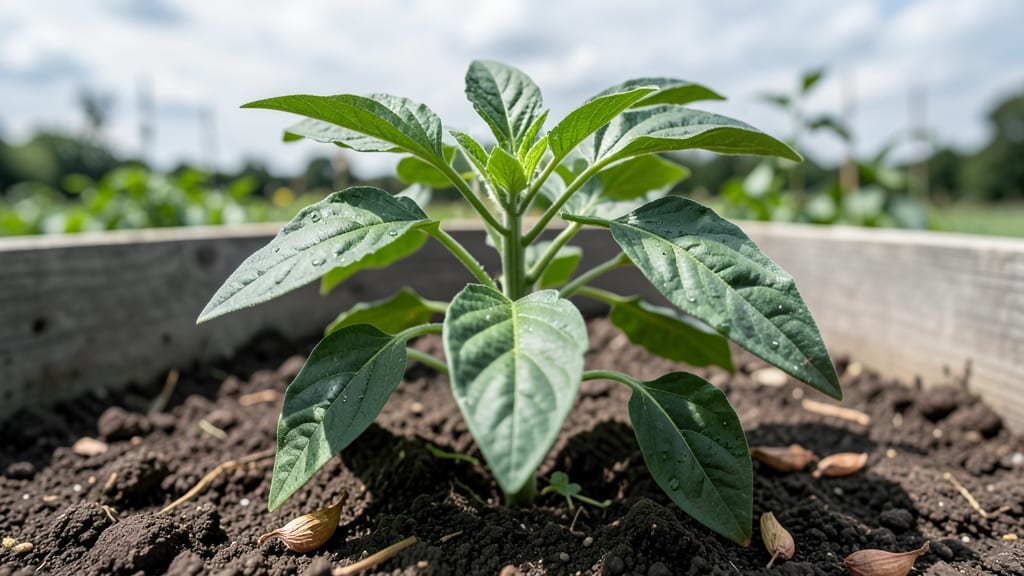
Pepper seedling leaves curling like tiny green question marks? That’s your first warning sign of pests or stress. I’ve seen aphids, spider mites, and even fungal spots turn vibrant seedlings into sad little sticks—until I learned to spot the patterns early.
The key isn’t panic, but knowing which tiny invader is sucking the life out of your plants before they even hit the garden.
Most problems start with yellowing edges or sticky residue on leaves—classic signs of aphids or spider mites. Fungal spots look like tiny water droplets that won’t wipe off, while wilting often means overwatering or root rot.
I’ve treated all three with simple sprays: neem oil for pests, baking soda solution for fungus, and proper drainage for waterlogged roots. The fix is faster than you’d think once you know what to look for.
By the time you spot the first signs, you’ve already saved 80% of your seedlings. Healthy leaves stay deep green and crisp, not dull or spotted.
A quick check under leaves with a magnifying glass reveals the real culprits—aphids, mites, or even thrips—so you can act before the damage spreads. This is where gardeners go from guessing to solving.
Prevention is just as simple: rotate seedlings weekly, avoid overhead watering, and introduce beneficial insects like ladybugs. My pepper starts now thrive through transplanting because I caught the early warning signs—and so can you. Let’s turn those sad leaves into strong, productive plants before they hit the garden bed.
Root Causes Behind Leaf Troubles
Understanding why your pepper seedling leaves are struggling starts with identifying the underlying factors. Pepper plants are delicate, especially in their early stages, and even minor environmental or biological imbalances can trigger distress.
Below, we break down the key reasons your seedlings may be showing signs of stress, pests, or disease—so you can address them directly.
---
Pepper seedlings thrive in consistently moist—but not soggy—soil. When roots sit in waterlogged conditions, they suffocate, starving the plant of oxygen and inviting fungal infections like damping-off or root rot. Yellowing, wilting, or mushy leaves are classic signs of overwatering.
- Why it happens: - Compacted or clay-heavy soil retains too much moisture, cutting off airflow to roots. - Lack of drainage holes in seedling trays or pots traps excess water. - Overzealous watering (e.g., daily soaking) drowns tender roots before they establish. - Cold, wet conditions slow evaporation, keeping soil saturated longer than ideal.
- Actionable fix: - Use well-draining potting mix (add perlite or vermiculite if needed). - Water only when the top inch of soil feels dry—stick your finger in to test! - Elevate trays slightly to improve airflow and prevent water pooling. - If damping-off appears (black, moldy stems), remove affected seedlings immediately and treat soil with hydrogen peroxide (3%) or copper fungicide.
---
Pepper seedlings require a balanced diet of macronutrients (nitrogen, phosphorus, potassium) and micronutrients (iron, magnesium, calcium). Deficiencies show up as distinct leaf symptoms, often starting with the oldest leaves first.
| Symptom | Likely Deficiency | What It Means | |---------------------------|-----------------------|-----------------------------------------------------------------------------------| | Yellowing between veins | Iron (Chlorosis) | Poor iron uptake (common in alkaline soil or overwatered plants). | | Purple stems/leaves | Phosphorus | Struggles with energy transfer (often seen in cool soils). | | Yellow edges, crispy tips | Potassium | Weakens cell structure, making leaves prone to burning or disease. | | Stunted growth, small leaves | Nitrogen | Lack of protein synthesis slows leaf development. |
- Why it happens: - Fresh potting mix may lack nutrients after 4–6 weeks. - Alkaline soil (pH >7.0) locks out iron and manganese. - Over-fertilizing with nitrogen (e.g., too much urea) burns roots, preventing uptake of other nutrients. - Cool soil temps (<60°F) slow nutrient absorption.
- Actionable fix: - Test your soil pH (ideal range: 6.0–6.8).
Adjust with sulfur (to lower pH) or lime (to raise pH). - Use a balanced fertilizer (e.g., 5-10-10) diluted to half-strength for seedlings. - Add compost or worm castings for slow-release nutrients. - For chlorosis, apply chelated iron or Epsom salt (magnesium sulfate) every 2 weeks.
---
Tiny pests like aphids, spider mites, thrips, and fungus gnats target young pepper seedlings, sucking sap or laying eggs in the soil. Their damage weakens leaves, making them yellow, spotted, or curled—and opens doors for secondary infections.
- Why it happens: - Crowded seedlings create humid microclimates pests love. - Weak or stressed plants (from overwatering/underwatering) attract pests. - Outdoor seedlings near infested plants or weeds (e.g., aphids on nearby herbs). - Fungus gnats thrive in overly moist soil where their larvae feed on roots.
- Actionable fix: - Isolate affected seedlings to prevent spread. - Blast pests off with a strong spray of water (aphids, mites). - Use insecticidal soap or neem oil (diluted) for soft-bodied pests. - Sticky traps catch fungus gnat adults; sand or cinnamon on soil deters larvae. - Release beneficial insects (ladybugs, lacewings) for long-term control.
--- Pepper seedlings are sensitive to temperature swings, humidity extremes, and direct sunlight. Stress from these factors manifests as leaf scorch, wilting, or stunted growth, mimicking pest or disease symptoms.
- Why it happens: - Temperature fluctuations (below 50°F or above 90°F) shock the plant. - Low humidity (<40%) causes leaf edges to dry out (brown, crispy tips). - Harsh afternoon sun (especially in greenhouses) leads to sunburn (white/yellow patches). - Drafts or sudden wind (e.g., near AC vents or open windows) desiccates leaves.
- Actionable fix: - Hardening off seedlings gradually (5–7 days of outdoor exposure) before transplanting. - Use shade cloth (30–50%) if growing in hot climates. - Mist seedlings lightly in dry conditions (avoid wetting leaves at night to prevent fungal growth). - Keep seedlings in a stable environment (60–75°F) away from drafts. - Group trays together to create a microclimate with consistent humidity.
--- When you disturb seedlings during repotting or transplanting, you risk root pruning, compaction, or trauma—leading to stunted growth, yellowing, or even death if severe.
- Why it happens: - Overcrowded roots in small pots become root-bound, strangling growth. - Rough handling (e.g., pulling seedlings by leaves) damages the taproot. - Compacted soil during transplanting smothers roots, reducing oxygen uptake. - Sudden temperature/humidity changes post-transplant stress the plant.
- Actionable fix: - Repot seedlings when roots fill the container (or every 3–4 weeks for fast growers). - Use the "slip and dip" method: Gently slide the seedling out, loosen roots, then plant deeper than before. - Water thoroughly after transplanting to reduce shock. - Avoid fertilizing for 1–2 weeks post-transplant to let roots recover.
Revive Your Seedlings Fast
When your pepper seedling leaves show signs of stress from pests, quick action is key to saving your plants. Below are practical, step-by-step solutions tailored to common issues—plus prevention tips to keep your seedlings thriving long-term.
---
Fix: Isolate and treat immediately to prevent spread.
1. 🚿 Rinse Gently with Water - Use a soft spray nozzle (like a hose with a gentle mist setting) to dislodge aphids or spider mites from leaves. - Focus on the undersides of leaves, where pests hide. - Pro tip: Repeat every 2–3 days for severe infestations.
2. 🧼 Apply Neem Oil Spray - Mix 1 tsp neem oil + 1 tsp mild soap + 1 quart water in a spray bottle. - Shake well and spray all leaf surfaces, including stems. - Why it works: Neem oil disrupts pests’ life cycles and has antifungal properties. - Reapply every 5–7 days until pests vanish.
3. 🌿 Introduce Beneficial Insects - Release ladybugs or lacewings (available at garden centers) to eat aphids naturally. - Best for: Organic gardens where chemical sprays aren’t an option.
4. 💡 Prevention Tips - Space seedlings properly (2–3 inches apart) to improve airflow and reduce humidity. - Water at the base (not overhead) to keep leaves dry and deter fungal spores. - Inspect new plants before adding them to your garden to avoid introducing pests.
---
Fix: Adjust care and eliminate thrips to restore leaf health.
1. 🧼 Soap Spray for Thrips - Combine 1 tbsp insecticidal soap + 1 quart water in a spray bottle. - Apply directly to affected areas, especially new growth. - Reapply every 3–4 days until thrips disappear.
2. 🌡️ Check Environmental Conditions - Too much heat? Move seedlings to a shadier spot or use a fan for airflow. - Too dry? Mist leaves lightly with water (avoid soggy soil). - Too humid? Increase airflow with a small fan.
3. 🔄 Prune Damaged Leaves - Use clean scissors to trim severely curled or brown leaves. - Why? Removing damaged foliage helps the plant focus energy on recovery.
4. 💡 Prevention Tips - Use reflective mulch (like aluminum foil) to deter thrips. - Rotate seedlings occasionally to ensure even light exposure. - Avoid over-fertilizing—stick to a balanced, diluted fertilizer (half-strength).
---
Fix: Adjust watering habits and treat fungal growth ASAP.
1. ⏰ Adjust Watering Schedule - Let the top inch of soil dry out between waterings. - Water deeply but less frequently to prevent soggy roots. - Sign of overwatering: Yellowing leaves + mushy stems.
2. 🍄 Apply Fungicide - Use copper fungicide (follow label instructions) or a baking soda spray (1 tsp baking soda + 1 quart water + a drop of soap). - Spray all plant surfaces, including soil around the base.
3. 🔪 Remove Infected Plants - If a seedling is too far gone, pull it out and dispose of it in the trash (not compost). - Why? Fungal spores spread easily—don’t risk infecting healthy plants.
4. 💡 Prevention Tips - Sterilize tools with rubbing alcohol before pruning. - Use well-draining soil mixed with perlite or sand. - Avoid overhead watering—use a drip irrigation system or watering can with a spout.
---
Fix: Trap or remove pests before they devour your seedlings.
1. 🍎 Handpick Pests - Check leaves early in the morning when pests are sluggish. - Drop caterpillars into soapy water to kill them instantly.
2. 🪲 Set Up Barriers - Slugs? Surround seedlings with a coffee ground or diatomaceous earth barrier. - Caterpillars? Use row covers (fine mesh fabric) to block access.
3. 🧴 Use Organic Repellents - Sprinkle crushed eggshells around the base (slugs hate the texture). - Spray garlic or chili pepper spray (blend 1 garlic clove + 1 tsp cayenne + 1 quart water) on leaves.
4. 💡 Prevention Tips - Remove garden debris where pests hide. - Plant basil or marigolds nearby—they repel many chewing insects. - Harvest early if pests are a recurring issue (smaller leaves are easier to protect).
--- Final Thought: Most seedling leaf problems are fixable with patience and the right approach. Act fast, adjust care routines, and soon your pepper seedlings will be strong, green, and pest-free! 🌱💪
Frequently asked questions about pepper seedling leaves
Why are my pepper seedling leaves turning yellow?
Yellowing leaves usually signal overwatering, nutrient deficiency, or fungal issues. Check soil moisture—it should feel damp but not soggy. If roots look mushy, you're overwatering. For yellowing between veins, your seedlings may need iron or magnesium (try Epsom salt spray). Always ensure proper drainage and avoid wet foliage to prevent damping-off disease.
What do tiny white spots on pepper seedling leaves mean?
Those are likely aphids or spider mites—common pests that suck plant sap. Inspect leaf undersides for webbing or clustered bugs. Treat immediately with neem oil spray (1 tsp oil + 1 tsp soap per quart of water) or a strong water blast. Isolate affected seedlings to prevent spread to healthy plants.
Can I still save pepper seedlings with curled leaves?
Yes, but act fast! Curling often means thrips, mites, or underwatering. Prune severely damaged leaves and treat with insecticidal soap. Increase humidity (mist lightly) if leaves feel dry. Move seedlings to indirect light if they're in harsh sun. With proper care, new growth should straighten within 5-7 days.
How often should I fertilize pepper seedlings?
Wait until seedlings have 2-3 true leaves before fertilizing. Use a balanced, diluted fertilizer (like 5-10-10 at half-strength) every 3-4 weeks. Over-fertilizing burns tender roots. For nutrient deficiencies, try compost tea or fish emulsion instead—seedlings are sensitive to strong chemicals.
What's the best way to prevent fungal spots on seedling leaves?
Keep leaves dry and improve airflow! Water at soil level (not overhead), space seedlings 2-3 inches apart, and use a small fan if humidity exceeds 60%. Sterilize tools with rubbing alcohol before pruning. For prevention, add 1 tbsp baking soda per gallon of water as a foliar spray weekly—it creates an unfriendly environment for fungal spores.