
Trees
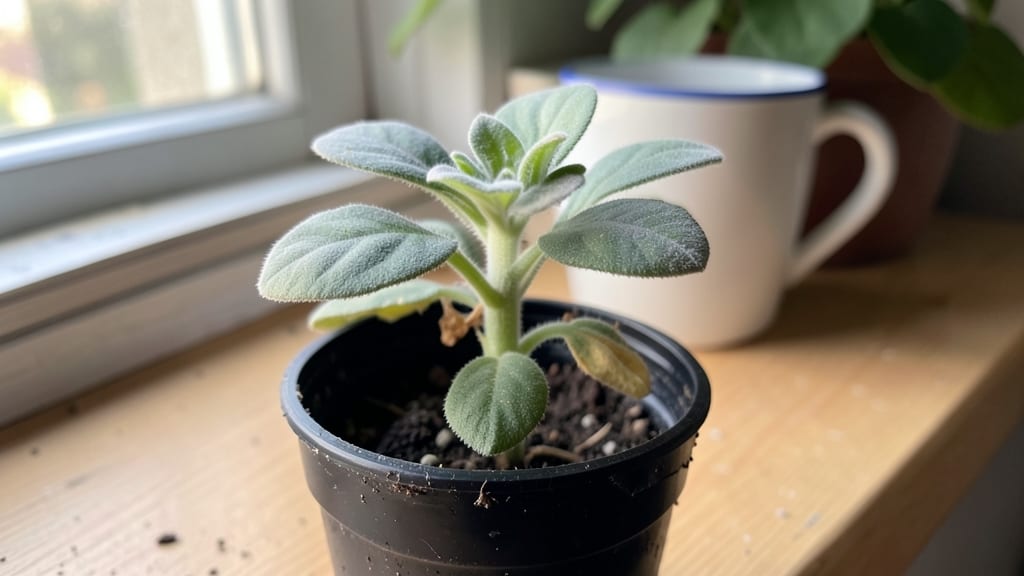
Mastering petunia seedling identification by their leaf patterns saves you from guessing which stunning blooms will appear later—my first batch looked identical until I noticed the subtle differences in leaf shape and spacing. glory, others for cascading trails.
The secret lies in those early leaves, which reveal the variety’s true nature before flowers even bud.
Grandiflora seedlings show deeply lobed, almost fern-like leaves spaced wider apart, while multiflora types have smoother, rounded leaves packed closer together. Look for healthy green color and firm stems—any yellowing or wilting means it’s time to cull.
I learned the hard way that weak seedlings never recover, even with perfect care later.
Once you’ve matched the leaves to the right variety, you’ll know exactly how to space them for maximum impact. Grandifloras need 12-18 inches apart for full blooms, while trailing types thrive in hanging baskets with 6-8 inches of space.
The payoff? A garden bursting with vibrant, uniform blooms that turn neighbors green with envy.
This method works for seed-starting windowsills or greenhouse trays—just keep seedlings in bright, indirect light until you’re ready to transplant. The key is acting fast: those first leaves won’t last long before flowers take over. Here’s how to tell them apart before it’s too late.
What Triggers Confusion in Seedlings
Misidentifying petunia seedlings often boils down to a mix of biological quirks and environmental factors. Understanding these root causes can help gardeners spot the differences—and avoid costly mistakes. Here’s why seedlings might look more alike than they should:
Petunias, especially hybrid varieties, share a common genetic foundation, meaning their seedlings can look nearly identical at first glance. Here’s the science behind it:
- Juvenile vs. Mature Traits: Seedlings prioritize survival over specialization—their first leaves (called cotyledons) are simple and uniform across most petunia types.
Only later do true leaves emerge, revealing the variety’s distinct patterns (e.g., frilled, ruffled, or solid edges). - Pro tip: 🔍 Wait 3–4 weeks before judging seedlings.
True leaves (the second set) are where variety-specific traits like leaf shape, serration, or coloration become visible. - Hybrid Vigilance: Many commercial petunias are F1 hybrids (first-generation crosses), bred for uniformity.
Their offspring may inherit dominant traits (like smooth edges) that mask subtle differences until later stages. - Example: A ‘Wave Purple’ seedling might initially resemble a ‘Supertunia’—both have dark green leaves—but ‘Wave’ develops wavy leaf margins by the 6th leaf stage.
Unstable growing conditions can delay or distort a seedling’s true characteristics, making identification harder. Key culprits:
| Factor | Effect on Seedlings | How to Fix It |
|---|---|---|
| Temperature Fluctuations | Below 60°F (15°C) or above 85°F (29°C) slows growth, keeping leaves small and undifferentiated. | Use a heat mat (65–75°F) for consistent warmth. Avoid cold drafts near windows. |
| Inconsistent Light | Low light (<6 hours/day) causes etoliation (long, pale stems; small, weak leaves). | Provide 14–16 hours of light with grow lights if natural light is insufficient. |
| Overcrowding | Competes for nutrients, leading to stunted, uniform-looking seedlings. | Thin seedlings to 2–3 inches apart and ensure 1 inch of soil depth per plant. |
| Nutrient Imbalance | Too much nitrogen (>100 ppm) promotes leafy growth but suppresses variety-specific traits. | Use a balanced 5-10-5 fertilizer and flush soil with water every 2 weeks. |
Not all seeds germinate into the variety you planted. Here’s how mix-ups happen:
- Cross-Pollination: Petunias are self-pollinating but not self-sterile, meaning wind or bees can transfer pollen between varieties. Result?
A ‘Mitchell Diploid’ seedling might sprout a random hybrid with traits from a nearby ‘Easy Wave’ plant. - Solution: 🌸 Isolate varieties by at least 10 feet or use breeder bags during flowering. - Old or Low-Quality Seeds: Seeds older than 1 year or stored improperly may produce weak, inconsistent seedlings.
Cold stratification (refrigerating seeds for 2 weeks) can improve germination but won’t fix genetic drift. - Seed Coat Issues: Some petunia seeds have hard outer layers that delay germination, causing uneven sprouting. Soaking seeds in lukewarm water for 24 hours before planting can help.
Even with healthy seedlings, misidentification often stems from oversight. Common pitfalls:
- Focusing on Flowers, Not Leaves: Gardeners often judge seedlings by cotyledons or early flower buds, but these are not reliable. True leaf patterns (e.g., ruffled vs. smooth) are the key. - Quick check: 📏 Measure leaf width-to-length ratio.
‘Dream series’ petunias often have wider, lobed leaves, while ‘Supertunia’ leaves are narrower and less serrated. - Ignoring Undersides: Some varieties have distinct leaf undersides—e.g., silvery pubescence (fine hairs) in ‘Mitchell’ types vs. smooth green in ‘Wave’ series. - Skipping Reference Guides: Without a side-by-side comparison of mature leaves, seedlings can look identical until they bolt (send up flower spikes).
Even professional growers face confusion due to: - Misleading Packaging: Some seed packets list general traits (e.g., “trailing petunia”) without specifying leaf patterns.
Always cross-reference with the breeder’s catalog. - Trade Names vs. Botanical Names: A seed labeled “Petunia × hybrida ‘Black Velvet’” might produce seedlings that don’t match the parent’s dark foliage if the batch was cross-pollinated. - Dormant vs. Active Growth: Some petunia varieties (like Petunia axillaris) have dormant periods where leaves curl or darken, mimicking disease or stress.
Key Takeaway: Seedling identification hinges on patience, environmental control, and leaf-focused observation. By addressing these root causes—genetics, growing conditions, and human habits—you’ll spot the differences before they bloom!
Quick fixes for seedling confusion
Mistakenly identifying petunia seedlings can turn your dream garden into a guessing game. But don’t worry—with the right steps, you can quickly sort out your seedlings and prevent future mix-ups.
Below, we’ve mapped out the most common causes of confusion and the simplest solutions to get your seedlings back on track.
If your seedlings are packed too tightly, they’ll compete for nutrients and light, leading to stunted growth and distorted leaves that make identification harder.
How to Fix It: 🔥 Step 1: Wait Until True Leaves Appear
- Don’t thin too early—wait until seedlings have at least 2–3 sets of true leaves (not just the first cotyledons). This ensures they’re strong enough to survive.
🍳 Step 2: Use the Right Tools
- Grab a pair of clean, sharp scissors or small pruning shears (sterilize with rubbing alcohol). Avoid pulling—it can damage roots.
👨🍳 Step 3: Thin to the Strongest
- Snip seedlings at the soil line, leaving only the healthiest, most vigorous ones. Aim for 1–2 inches between plants for dwarf varieties and 3–4 inches for larger types.
🥘 Step 4: Transplant Carefully
- Gently remove remaining seedlings and replant them in their own pots or a larger container with fresh potting mix. Water lightly to help them recover.
💡 Prevention Tip:
- Sow seeds in modular trays or peat pots from the start to avoid overcrowding. If using flats, space seeds ¼ inch apart for even growth.
Poor lighting causes seedlings to stretch (etiolate) or develop weak, pale leaves, making variety identification nearly impossible.
How to Fix It: 🔥 Step 1: Assess Your Light Source
- If using natural light, move seedlings to a south-facing window or under grow lights (LED or fluorescent). Avoid north-facing windows—they’re too dim.
🍳 Step 2: Adjust Light Distance
- For grow lights: Keep them 2–4 inches above seedlings and provide 14–16 hours of light daily. Too far? Leaves stretch. Too close? They scorch.
👨🍳 Step 3: Rotate Seedlings Daily
- Turn trays ¼ turn every day to prevent leaning. Use a small mirror or reflective surface to bounce light around if needed.
🥘 Step 4: Supplement with a Timer
- Use a grow light timer to maintain consistency. Seedlings need light even at night if natural light is insufficient.
🌡️ Prevention Tip:
- Start with a seedling heat mat (70–75°F) to speed up germination and growth, reducing the time they spend in low-light conditions.
If your seedlings don’t match expected leaf patterns, they might be a different variety—or even a weed!
How to Fix It: 🔥 Step 1: Compare with a Trusted Source
- Use a petunia variety guide (like those from Burpee or Proven Winners) to match leaf shapes, colors, and growth habits.
🍳 Step 2: Check for Hybrid Traits
- If you mixed seed packets, note hybrid vigor (e.g., larger leaves or darker centers) and compare with parent plants. Some varieties (like Surfinia) have distinct serrated edges.
👨🍳 Step 3: Eliminate Imposters
- Pull any seedlings with unusual leaf shapes (e.g., jagged edges, white streaks, or hairy stems)—these could be weeds like lamium or portulaca.
🥘 Step 4: Label and Track
- Once identified, label seedlings with variety names and dates using toothpicks and masking tape. Take photos for future reference.
✨ Pro Tip:
- If unsure, let 1–2 seedlings of each type grow to maturity in small pots. Their flowers will reveal their true identity!
Nutrient deficiencies or over-fertilizing can alter leaf color and texture, making identification tricky.
How to Fix It: 🔥 Step 1: Test Your Soil
- Use a simple soil pH test kit (ideal pH: 6.0–7.0 for petunias). Adjust with lime (to raise pH) or sulfur (to lower it) if needed.
🍳 Step 2: Fertilize Lightly
- Start with a balanced liquid fertilizer (e.g., 10-10-10) at half-strength. Overfeeding causes yellowing leaves or burnt tips.
👨🍳 Step 3: Focus on Micronutrients
- If leaves are pale, add a chelated iron or magnesium supplement (e.g., Epsom salt for magnesium deficiency).
🥘 Step 4: Water Wisely
- Keep soil consistently moist but not soggy. Use a spray bottle for seedlings to avoid disturbing roots.
💡 Prevention Tip:
- Avoid fertilizing until seedlings have 2–3 true leaves. Before that, they’re too delicate for nutrients.
With these fixes, your petunia seedlings will grow into easy-to-identify plants, and your garden will bloom with confidence. Happy growing! 🌸
Frequently asked questions
How can I tell the difference between grandiflora and multiflora petunia seedlings?
Grandiflora seedlings have deeply lobed, fern-like leaves spaced 1-2 inches apart, while multiflora types show smoother, rounded leaves packed closer together. Check the leaf margins—grandifloras often have ruffled edges, while multifloras remain smooth-edged.
Why do my petunia seedlings all look identical when they should be different varieties?
Early seedlings (first 3-4 weeks) focus on survival, so their cotyledons (first leaves) appear similar across varieties. Wait for true leaves (second set) to emerge—these reveal the distinct leaf patterns that identify each variety.
What should I do if I can't identify a seedling but it looks healthy?
Let it grow in a small pot until it flowers—flower color and shape are the most reliable identifiers. If you're unsure, compare it side-by-side with reference photos from seed packets or gardening guides.
Can I still save petunia seedlings if I've mixed up varieties?
Yes! Group seedlings by similar leaf traits and label them as "Unknown Variety A/B/C" until they flower. Many petunias are self-pollinating, so they'll maintain their characteristics even if misidentified.
How do I know if a seedling is healthy enough to keep?
Healthy seedlings have bright green leaves, firm stems, and no yellowing. Avoid keeping seedlings with crispy edges (underwatering), mushy stems (overwatering), or stunted growth (nutrient issues).