Picking
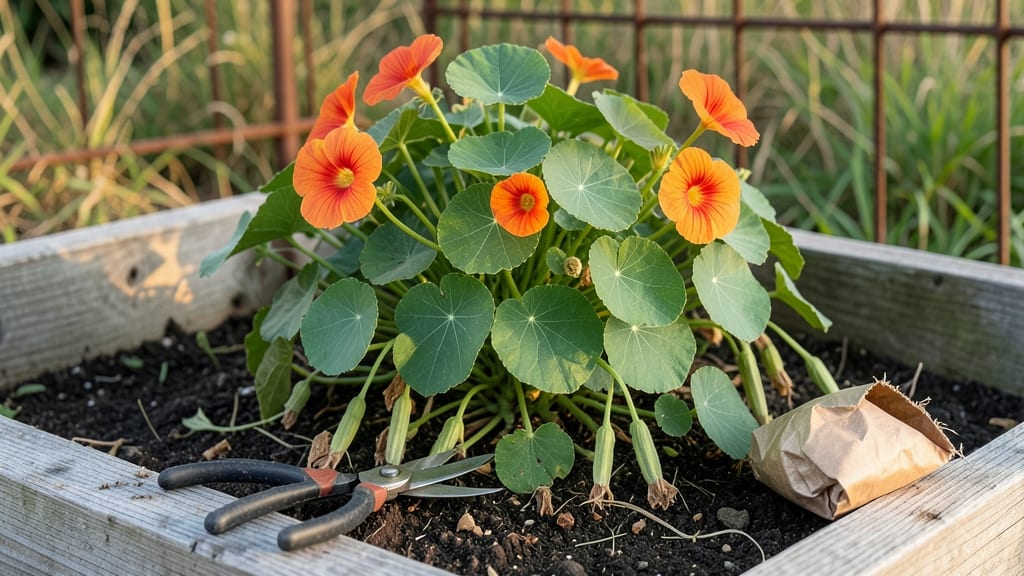
Harvesting nasturtium seeds is like saving tiny packets of next summer’s sunshine—except you’re the one doing the saving. 🌻 I used to toss those dried-up seed pods without thinking, until I realized they’re packed with the potential for vibrant orange blooms and peppery leaves that grow back stronger every year.
The best time to collect them is when the pods turn from green to papery brown and start rattling with seeds inside. A gentle squeeze should release them easily—if they’re still hard, leave them another week.
You’ll need a dry, shady spot to spread them out, a piece of paper or screen to catch the seeds, and a little patience for the drying process.
Once fully dry, store the seeds in a cool, dark place like an envelope or jar with a silica packet to keep moisture out. Properly stored, they’ll stay viable for 3-5 years, ready to sprout into those same cheerful blooms that make your garden pop.
The payoff? A self-sustaining cycle of color and flavor without ever buying seeds again.
Here’s where it gets interesting—some pods drop seeds prematurely if they get too wet, and mold can ruin a batch if you’re not careful. But with the right technique, you’ll end up with a stash of seeds that’s far more rewarding than anything you’d buy at the store.
Let’s get those pods collected!
📚 In This Guide
- What you need
- Instructions
- Tips and common mistakes
- Wrapping up and next steps
What you need
- ● Mature Nasturtium Plants: Choose healthy, fully bloomed plants with seed pods (typically Tropaeolum majus). Aim for at least 3-5 plants for a good seed yield.
- ● Pruning Shears or Clean Scissors: Sharp, sterilized tools to snip seed pods without damaging the plant.
- ● Paper Towels or Newspaper: For drying seeds (1-2 sheets per batch).
- ● Brown Paper Bags or Envelopes: To collect and store seeds (1-2 bags per plant).
- ● Permanent Marker: For labeling seed packets with the variety name and harvest date.
- ● Air-Tight Containers: Small jars, plastic bags with zip locks, or seed-saving envelopes (1 per variety).
- ○ Desiccant Packets (Optional): Helps absorb moisture in storage containers.
- ● Notebook or Digital Notes App: To track seed varieties, harvest dates, and growing conditions.
- ● Dry, Warm Conditions: Harvest seeds on a sunny, dry day (60°F/15°C or warmer) to prevent mold.
- ● Space for Drying: A well-ventilated area (like a garage or shed) to let seeds dry for 1-2 weeks.
- ● Patience: Seed pods need time to fully mature and dry on the plant before harvesting!
Step-by-Step guide to harvesting nasturtium seeds for next year
Here’s how to save seeds from your nasturtium plants—no fancy tools needed, just patience and the right timing.
🌱 Step 1: Wait for Seed Pods to Mature Fully
Let the nasturtium flowers fade and develop into round, pea-sized seed pods. These pods start green but ripen to a papery brown color—this is your cue they’re ready. If you pick them too early, the seeds won’t be viable. I check pods daily after blooms drop; they mature fastest in warm, dry weather.
Gently twist the pod off the stem when it’s dry and crisp to the touch. If it resists, wait another day or two. Avoid pulling—this can damage the plant and leave behind empty pods. Once harvested, lay the pods on a tray to dry completely in a warm, shaded spot for 3-5 days.
💧 Step 2: Extract Seeds from Dried Pods
Place the dried pods in a paper bag and seal it loosely. Shake gently or roll the bag between your palms to break open the pods. Nasturtium seeds are large and easy to see—they’ll spill out as you work. I spread the seeds on a clean sheet of paper to separate them from the chaff and debris.
Discard any pods that crumble into dust or release no seeds—these were past their prime. Healthy seeds will be plump, firm, and slightly glossy. If you find any shriveled or discolored seeds, toss them. Store the good seeds in a small envelope or airtight container for later.
☀️ Step 3: Store Seeds in a Cool, Dry Place
Keep the harvested seeds in a paper envelope or small glass jar with a tight lid. Label it with the variety and harvest date—nasturtium seeds can last 3-5 years if stored properly. I place mine in a dark, cool pantry where the temperature stays around 50-60°F.
Avoid refrigeration unless you’re storing them long-term (beyond 5 years). Check the seeds once a year to ensure they’re still dry and free of mold. If you notice any moisture or musty smell, transfer them to a fresh container immediately. Proper storage means you’ll have fresh seeds ready when spring rolls around.
⏰ Step 4: Test Viability Before Next Planting Season
Before sowing, do a quick viability test by placing 10 seeds between damp paper towels in a sealed plastic bag. Keep them in a warm spot (70°F) and check daily. Healthy seeds should sprout in 7-10 days. If fewer than 50% sprout, your seeds may have lost viability and it’s time to source new ones.
If the test passes, you’re ready to plant! Nasturtium seeds germinate quickly in warm soil, so start them indoors 4-6 weeks before your last frost date. This gives them a head start before transplanting outdoors. Watch for those first true leaves—they’re your signal that everything’s on track.
Tips & tricks for perfect nasturtium seed harvesting
A few simple tricks will help you save the best seeds from your nasturtium plants—so you can enjoy next year's blooms without buying new ones.
Timing is Everything: In Step 1, those 3-5 days of drying are critical. I place my pods on a wire rack in a well-ventilated spot—like a sunny windowsill with a fan nearby. This speeds up drying while preventing mold. If you live in humid weather, add a small packet of silica gel (the kind that comes with electronics) to absorb excess moisture.
Seed Pod Selection: Don't be tempted to harvest pods that are still green or slightly brown. In Step 1, look for pods that are completely dry and crisp to the touch—almost like paper. I tap them gently; if they rattle with seeds inside, they're ready. Waiting an extra day or two ensures you get the most viable seeds.
Storage Wisdom: When storing your seeds in Step 3, I add a tiny silica gel packet to my glass jars along with the seeds. This extra precaution helps maintain that cool 50-60°F temperature even if your pantry gets slightly warmer. I also date my jars so I can track how long they've been stored—this helps me remember when to test viability.
Viability Test Hack: For the test in Step 4, I use a clear plastic bag instead of a sealed one. This lets me see the seeds and moisture levels without opening it. Place the bag in a warm spot (like on top of your fridge) and check daily. The seeds should plump up slightly before sprouting—this visual cue tells me they're absorbing moisture properly.
Pro Tips for Harvesting Nasturtium Seeds
- A few simple tricks will help you save the best seeds from your nasturtium plants—so you can enjoy next year's blooms without buying new ones.
- Timing is Everything: In Step 1, those 3-5 days of drying are critical.
- Seed Pod Selection: Don't be tempted to harvest pods that are still green or slightly brown.
Frequently asked questions
Got questions about harvesting nasturtium seeds?
You’re not alone! Here are the most common queries—and their straightforward answers—to help you master seed-saving like a pro.
When is the best time to harvest nasturtium seeds?
Harvest seeds when the seed pods turn papery and brown (usually 6–8 weeks after flowering). If left too long, they’ll pop open and scatter seeds everywhere! Aim for late summer to early fall in most climates. Pro tip: Check pods daily—they ripen fast!
What if my nasturtium pods stay green or never dry?
Green pods mean immature seeds—wait a few more days (or weeks) for full ripeness. If pods stay green despite warm, dry weather, your plant may be struggling from overwatering, pests, or poor sunlight. Try moving it to a sunnier spot or reducing water. Bonus: Deadhead spent blooms to redirect energy to seed production!
Can I harvest seeds from store-bought nasturtiums?
Technically yes, but store-bought seeds may not be true to type (hybrids often don’t reproduce identically). For reliable results, save seeds from heirloom or open-pollinated varieties grown in your garden. If you’re unsure, ask the nursery! Alternative: Swap seeds with fellow gardeners for diverse options.
How long do harvested nasturtium seeds stay viable?
Nasturtium seeds stay viable for 3–5 years if stored properly in a cool, dry place (like a sealed envelope in the fridge). For best results, label and date them—old seeds may germinate slower or not at all. Fun fact: Some gardeners swear by freezing seeds for extra longevity!
Why are my seed pods getting chewed or damaged?
Pests like aphids, slugs, or birds love nasturtium seeds! Cover pods with fine mesh netting or harvest them early. For slugs, set up beer traps or copper barriers. If birds are the culprits, pick pods before they fully ripen and dry them indoors. Prevention tip: Harvest seeds in the morning when pests are least active.
Wrapping up and next steps
Harvesting nasturtium seeds is a rewarding way to save money and ensure vibrant blooms year after year!
With just a little patience and the right techniques, you’ll have fresh seeds ready for next season’s garden. Now’s your chance to put those skills to work—grab your gloves, head outdoors, and start collecting!
💡 Next step: Mark your calendar for late summer or early fall to begin harvesting—your future garden will thank you!