Vegetables
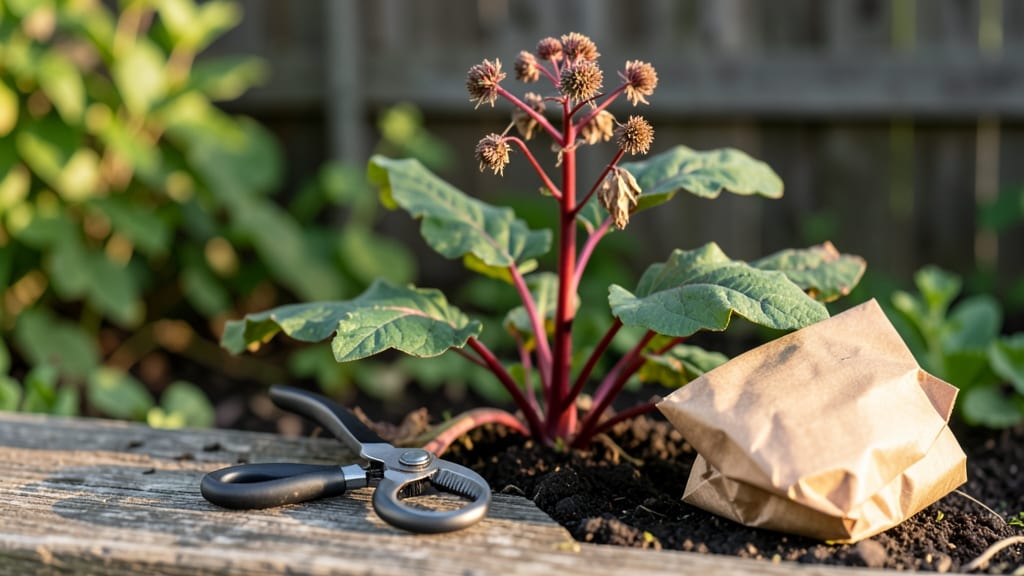
Harvesting beetroot seeds from mature plants 🍠 is the best way to save money and grow heirloom varieties year after year.
Struggling to grow beetroot from seeds? The secret to high germination rates lies in knowing exactly when and how to harvest beetroot stems for seed collection—timing is everything.
Most gardeners miss the window because they focus on the roots instead of the flower stems. By July, your beetroot plants will send up tall stalks with papery seed pods, but cutting too early means weak seeds.
In this guide, I’ll walk you through the exact steps to harvest, dry, and store beetroot seeds so you can plant them next spring with 90% success.


When to harvest beetroot stems for maximum seed viability
Timing is everything when harvesting beetroot stems for seeds. If you cut too early, your seeds won't germinate properly. If you wait too long, they may shatter or lose viability. The key lies in watching for visual maturity cues combined with understanding the environmental conditions that create ideal seed development.
Beetroot plants naturally transition from leafy greens to flowering stems when they sense cooler temperatures or shorter daylight hours. This process, called bolting, signals the plant to focus on seed production.
The flowering stage begins about 90-120 days after planting, but seed maturity takes an additional 4-6 weeks depending on your climate.
During this critical window, pay attention to the seed pods forming on the flowering stems. Initially, they'll appear green and soft, but as they mature, they'll turn brown and papery.
This color shift indicates the seeds inside are drying out and becoming viable. The exact timing varies by USDA zone—cooler climates may take longer than warmer regions.
Here's the ideal harvesting timeline for beetroot seed stems:
🌱 Did You Know? Beetroot seeds retain viability for 3-4 years if stored properly in cool, dry conditions—making them a great seed-saving crop for gardeners!
| Stage | Visual Cues | Environmental Conditions | Action |
|---|---|---|---|
| Flowering Begins | White/pink flowers appear on stems | Daylength < 14 hours | Allow flowers to fully open |
| Green Pod Stage | Pods are green and soft | Warm days (70-80°F) | Monitor daily for color change |
| Brown Pod Stage | Pods turn brown and papery | Cooler nights (50-60°F) | Harvest when pods rattle |
| Seed Maturity | Seeds visible through pod walls | Humidity < 50% | Cut stems immediately |
The best time to harvest is when the seed pods have fully dried on the plant but haven't yet shattered open. You'll know they're ready when a gentle shake produces a distinct rattling sound—this confirms the seeds are loose inside and won't stick to the pod walls.
If you wait too long, the pods may open naturally, scattering seeds across your garden.
Environmental factors play a crucial role in seed viability. Humidity levels above 60% during drying can cause mold or rot, while temperature fluctuations between 70°F and 80°F create ideal conditions.
If your summer is particularly hot or humid, consider harvesting slightly earlier and completing the drying process indoors under a fan.
One common mistake is harvesting based solely on pod color. While brown pods indicate maturity, they must also be completely dry to the touch. Use your fingers to gently squeeze a pod—if it crumbles easily, it's ready. If it feels even slightly damp, wait another 24-48 hours before harvesting.
For gardeners in USDA zones 7-10, aim to harvest beetroot seed stems in late summer to early fall (August-September). In cooler zones (3-6), the window shifts to late summer through early frost, as the plants need time to mature before winter sets in.
Always prioritize dry, sunny days for harvesting to prevent moisture-related issues.
Pro tip: Label your seed stems immediately after harvest with the variety name and harvest date. This prevents mix-ups and helps track germination rates over time. Store dried stems in paper envelopes (not plastic) in a cool, dark place until you're ready to process the seeds.
Step-by-step guide to cutting and drying beetroot seed stems
Once your beetroot plants have completed their seed production cycle, harvesting the stems at the right moment ensures high germination rates for next season. The key is patience—wait until the seed pods fully mature and dry on the plant.
Rushing this step often leads to low viability or moldy seeds. I’ve found that harvesting in late summer or early fall, when pods turn brown and crisp, gives the best results.
Before you begin, gather your tools: a pair of clean pruning shears, brown paper bags for drying, and a labeling marker to track varieties. Work on a dry, sunny day when humidity is low to prevent moisture-related issues.
If you’re growing multiple beetroot varieties, keep their seeds separate to avoid cross-pollination, which can lead to unpredictable traits in next year’s harvest.
How to Harvest and Dry Beetroot Seed Stems
- 1 Identify mature seed stems: Look for stems with fully brown, dry seed pods that rattle when gently shaken. Avoid green or soft pods—they won’t produce viable seeds.
- 2 Cut stems cleanly: Use sterilized pruning shears to snip stems 1-2 inches below the seed pods. Leave a small portion of the stem attached to prevent pods from detaching during drying.
- 3 Hang stems upside down: Bundle stems in small groups and hang them in a well-ventilated, dry location (like a garage or shed) away from direct sunlight. This prevents mold and ensures even drying.
- 4 Dry for 2-3 weeks: Allow stems to dry completely until pods are completely brittle and seeds rattle freely. Check weekly to avoid over-drying, which can reduce seed quality.
- 5 Remove seeds from pods: Once dry, gently crush pods with your fingers or a mortar and pestle to release seeds. Winnow away chaff by placing seeds in a bowl and blowing gently—lightweight debris will float away.
- 6 Store seeds properly: Place seeds in paper envelopes (not plastic) and label with the variety name and harvest year. Store in a cool, dark place (like a seed vault or fridge) for up to 3-5 years.
After drying, I always test a few seeds by planting them in a small pot with moist potting mix. If they sprout within 10-14 days, your harvest was successful!
If germination is slow, try stratifying seeds (mixing them with damp sand and refrigerating for a week) to mimic winter conditions and boost viability.
One pro tip I’ve learned is to avoid harvesting seeds from hybrid beetroot varieties, as they often don’t produce true-to-type offspring. Stick to heirloom or open-pollinated varieties like Detroit Dark Red or Chioggia for reliable results.
With the right technique, you’ll have a self-sustaining beetroot supply for years to come!
🌱