Pests and Diseases
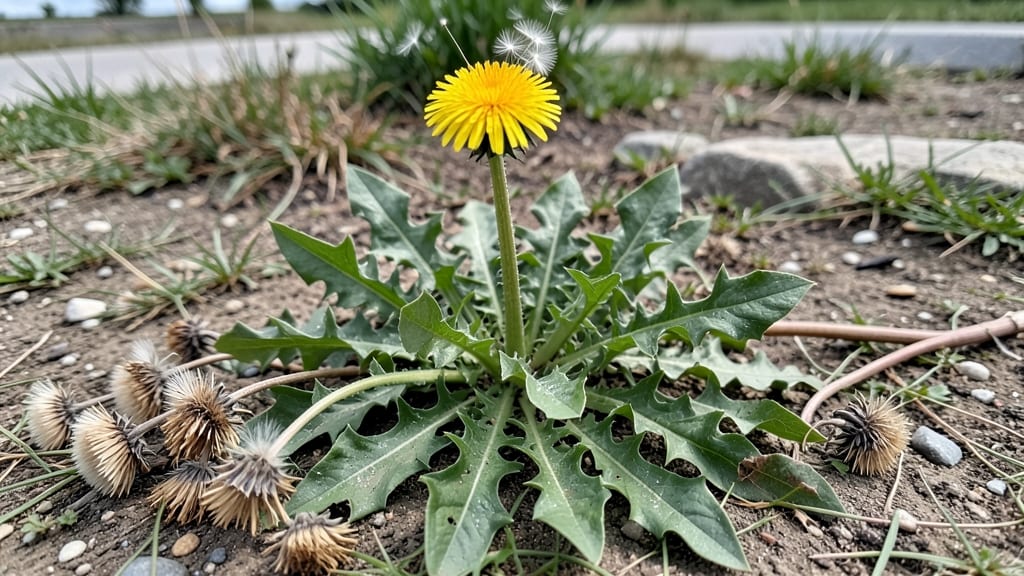
Dandelions do not die after seeding—they complete their lifecycle by producing seeds and then gradually decline as they age, but their roots often persist to regrow from the same spot. Their deep taproots allow them to survive harsh conditions and resprout for years.
This hardy plant's survival strategy lies in its perennial nature—once established, dandelions store energy in their roots during dormancy, preparing to push new growth when conditions improve. 🌱 The "decline" you see after seeding is actually a clever adaptation: the plant conserves resources to regenerate stronger in the following season.
Even after mowing or frost, those stubborn roots can send up fresh shoots within weeks, making them one of nature's most persistent weeds.
What makes this especially frustrating for gardeners is how quickly they rebound. A single dandelion can produce thousands of seeds, but even without new seeds, the existing root system ensures they'll keep coming back year after year.
Understanding this lifecycle is key to developing effective control strategies—simply pulling the flower won't stop the plant's persistence.
💡 In This Article
- Dandelion Lifecycle: From Flower to Seed and Beyond
- Managing Dandelion Regrowth in Gardens and Lawns
Dandelion lifecycle: from flower to seed and beyond
Here's what's actually happening when dandelions seem to disappear after seeding: they're entering a survival phase called senescence. This process begins after the 10-14 day flowering period when the plant has successfully produced and dispersed its seeds.
The above-ground parts yellow and wilt as the plant redirects all its energy from reproduction to root storage, creating a carbohydrate reserve that can last for years.
The key to their persistence lies in their taproot system, which can extend 12-18 inches deep into the soil. This root structure functions like a natural storage unit, accumulating starches and sugars during the growing season.
Unlike annual plants that complete their entire lifecycle in one year, dandelions are perennials—they can live for 5-10 years or longer, depending on conditions. The deep roots also allow them to access water during droughts, which is why they often outlast other plants in harsh environments. 💛
What triggers this dormancy phase? The plant responds to environmental cues like decreasing daylight hours and cooler temperatures. As nights grow longer in late summer, the plant's hormonal balance shifts from growth-promoting auxins to stress hormones like abscisic acid.
This hormonal change causes the leaves to senesce (age) and fall away, while the root continues storing energy. The plant essentially goes into a low-energy survival mode until spring conditions return.
This lifecycle strategy gives dandelions an evolutionary advantage. While their above-ground parts may look dead, the root system remains alive and viable. When temperatures rise again in spring, the stored energy fuels new shoot growth within 7-14 days.
The plant's ability to regenerate from such a small amount of living tissue—just the root—is remarkable compared to annual plants that must start from seed each year.
Interestingly, this dormancy isn't absolute. Even during winter, dandelion roots maintain some metabolic activity, slowly processing stored nutrients. Studies show that roots can survive temperatures down to -20°F when properly hardened off, though extreme fluctuations can weaken them.
The plant's ability to balance energy conservation with minimal metabolic activity during dormancy is what allows it to persist through multiple seasons without dying. ✨
What most people don't realize is how this lifecycle affects their persistence in lawns. Even after you remove the flowering stems, the root remains intact below ground.
This is why you'll often see new dandelion shoots appearing in the same spot year after year—it's the same plant using its stored energy to regenerate.
The only way to truly eliminate dandelions is to remove the entire root system, which requires digging 12+ inches deep to access the root crown.
The science behind this involves a fascinating trade-off: dandelions sacrifice immediate growth for long-term survival. By focusing energy on seed production first, then root storage, they ensure their genetic line continues even when individual plants face environmental challenges.
This dual-phase strategy explains why dandelions thrive in disturbed soils and urban environments where other plants might struggle. 🌟