Pests and Diseases
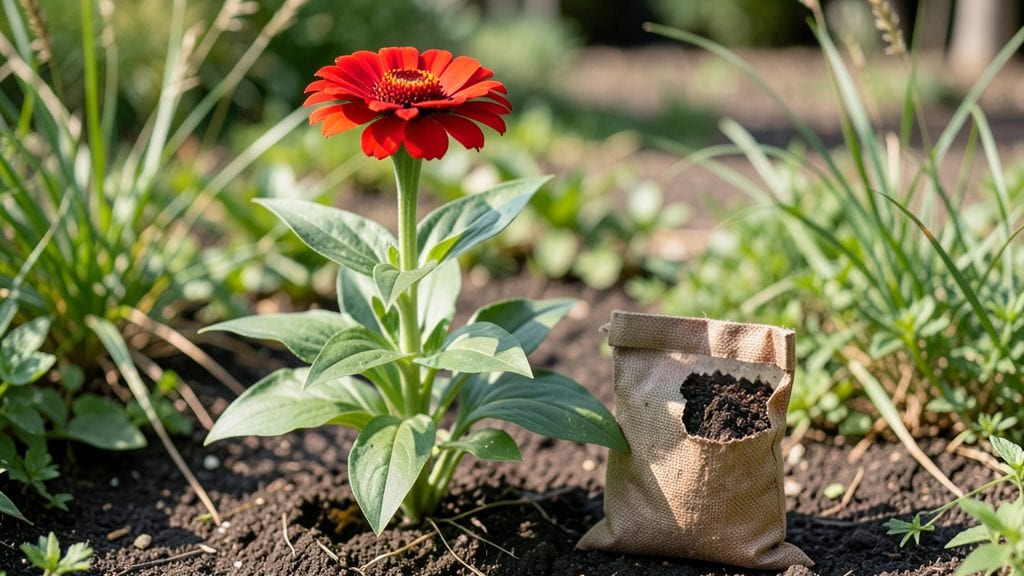
These disease-resistant zinnia seeds fight powdery mildew and blight like a fortress—just vibrant blooms all summer long, no sprays needed! 🌻 The secret lies in picking the right cultivars, like ‘Benary’s Giant’ or ‘Profusion,’ which shrug off fungal pressure while still packing knockout colors.
Planting them right makes all the difference: start seeds indoors 4-6 weeks before your last frost, then transplant when soil warms to 60°F. Space them 12-18 inches apart in full sun, and they’ll reward you with nonstop blooms from early summer until frost.
The key? Good airflow and avoiding overhead watering—wet foliage is their kryptonite.
You’ll end up with bold, healthy zinnias that outshine store-bought flowers and last longer in bouquets. No more wilting centers or unsightly spots—just lush, disease-free plants that beg to be photographed. The best part? These varieties attract pollinators while keeping pests at bay naturally.
Works for beginner gardeners (they’re forgiving) and veterans (they’re showstoppers). Here’s how to pick seeds, plant them, and keep them thriving all season—without a single chemical in sight.
Root Causes Of Zinnia Vulnerabilities
Zinnias are stunning annuals that brighten gardens with their bold blooms, but their susceptibility to diseases isn’t just random—it’s rooted in biology, environment, and even human gardening habits.
Understanding why zinnias fall prey to fungal infections, bacterial rot, or pest attacks helps you choose the right disease-resistant varieties (like those bred for tougher genetics) and take proactive steps. Here’s a breakdown of the key factors at play:
Not all zinnias are created equal when it comes to disease resistance. Most heirloom or older varieties were bred for color, size, or bloom time—not durability. Here’s why genetics play a role:
- Lack of natural defenses: Many zinnias have thin, delicate foliage and stems that invite pathogens. For example, Phlox leaf spot (caused by the fungus Xanthomonas campestris) thrives in zinnias with poor cuticle layers, which act as the plant’s first line of defense against moisture and microbes.
- Hybridization gaps: While some modern hybrids (like Benary’s Giant or Profusion) are bred for disease resistance, older varieties often lack the quantitative trait loci (QTLs) that confer resistance. These are specific DNA regions that help plants fend off diseases—think of them as a plant’s immune system “updates.”
- Susceptibility to viral vectors: Zinnias can act as hosts for aphids, which spread viral diseases like Zinnia mosaic virus. If your zinnias are a favorite snack for pests, they’re more likely to become infected through feeding damage.
Actionable fix: Opt for disease-resistant zinnia seeds labeled with terms like “powdery mildew-resistant” or “blight-tolerant.” Brands like Park Seed or Burpee often highlight these traits on seed packets.
Zinnias love warmth and sunlight, but excess moisture and poor airflow turn their gardens into disease breeding grounds. Here’s how environment accelerates problems:
| Disease | How Environment Fuels It | Red Flags |
|---|---|---|
| Powdery Mildew | Humid air (70%+ humidity) + low sunlight = fungal spores germinate like wildfire. The fungus Erysiphe cichoracearum thrives on zinnias when leaves stay damp overnight. | White, powdery patches on topside of leaves; stunted growth. |
| Alternaria Leaf Spot | Overhead watering + stagnant air creates the perfect petri dish. The fungus Alternaria zinniae enters through leaf wounds, especially in crowded plantings. | Dark brown spots with yellow halos; spots may merge into large necrotic areas. |
| Bacterial Leaf Spot | Rain splashing on leaves + warm temperatures (75–85°F) activate Xanthomonas bacteria. These bacteria ooze out of infected tissue, spreading via water droplets. | Water-soaked lesions that turn brown/yellow; bacterial ooze on leaf surfaces. |
| Root Rot (Phytophthora) | Waterlogged soil + poor drainage drowns roots, inviting Phytophthora fungi. Zinnias in containers or clay-heavy soil are especially at risk. | Yellowing leaves, wilting despite moist soil, blackened stems at the base. |
Actionable fix:
- ✅ Space plants 12–18 inches apart for airflow.
- ✅ Water at the base (not overhead) in the early morning so foliage dries quickly.
- ✅ Choose well-draining soil (amend with perlite or compost) and avoid planting in low-lying areas.
Pests don’t just damage zinnias—they open doors for diseases. Here’s how:
- Aphids and Whiteflies: These sap-sucking insects weaken plants by injecting toxins and creating entry points for fungal/bacterial infections. They also excrete honeydew, a sticky substance that fosters sooty mold—a secondary fungal infection.
- Japanese Beetles: Their chewing damage tears open leaf tissue, allowing water to pool in wounds. This creates ideal conditions for Alternaria or Botrytis (gray mold) to take hold.
- Slugs and Snails: While they don’t spread disease directly, their slime trails can introduce soilborne pathogens (like Pythium) to healthy tissue.
Actionable fix:
- 💡 Monitor plants weekly for pest activity. Use neem oil or insecticidal soap as a preventive spray.
- 🌿 Attract predator insects like ladybugs or lacewings with companion plants (e.g., marigolds or basil).
- 🚫 Avoid broad-spectrum pesticides—they kill beneficial insects that keep pests in check.
Zinnias are heat-loving, but extreme or fluctuating conditions stress them out, lowering their disease resistance. Key triggers:
- Sudden temperature drops: If nighttime temps fall below 50°F, zinnias may develop chilling injury, which weakens cell walls and makes them vulnerable to Botrytis (gray mold).
- High humidity without airflow: Zinnias in greenhouses or shaded areas with stagnant air are prime targets for powdery mildew. The fungus spreads via windborne spores but germinates faster in still, moist conditions.
- Drought stress: While zinnias are drought-tolerant, severe water deprivation can cause osmotic stress, making plants more susceptible to root rot when finally watered.
Actionable fix:
- 🌡️ Hardening off seedlings gradually if moving from indoors to outdoor gardens.
- 🌬️ Use row covers in early spring to protect from cold snaps.
- 💧 Mulch with straw or pine needles to regulate soil moisture and temperature.
How to Fix Fungal Issues
Fungal diseases like powdery mildew, rust, and botrytis can turn your vibrant zinnias into a sad, spotted mess—but don’t worry! With the right disease-resistant zinnia varieties and proactive care, you can keep your garden thriving. Here’s how to tackle common fungal problems and prevent them from returning.
Your first line of defense is disease-resistant zinnia seeds. Look for varieties labeled as resistant to powdery mildew, rust, or blight. Some top picks include:
- ‘Benary’s Giant’ – Resistant to powdery mildew
- ‘Crystal’ Series – Drought-tolerant and mildew-resistant
- ‘Profusion’ Mix – Compact and less prone to fungal issues
💡 Pro Tip: If you’re unsure about resistance, opt for hybrid or heirloom varieties with a proven track record in your climate.
Fungi love damp, stagnant conditions. To disrupt their party:
- ✅ Space plants properly – Give zinnias at least 12–18 inches between stems for better airflow.
- ✅ Water at the base – Avoid overhead sprinkling (especially in the evening). Use drip irrigation or a watering can to keep foliage dry.
- ✅ Water early in the day – This allows leaves to dry before nightfall, reducing humidity buildup.
🌡️ Pro Tip: If you must water in the heat, do it before 10 AM to prevent fungal spores from thriving in warm, wet leaves.
Fungal spores hibernate in debris, so a little cleanup goes a long way:
- 🔥 Remove infected leaves immediately – Snip off yellowed or spotted foliage and dispose of it in the trash (not compost).
- 🧹 Sanitize tools – Wipe pruners with rubbing alcohol between cuts to avoid spreading spores.
- 🌿 Rotate crops – Avoid planting zinnias in the same spot year after year to break the fungal life cycle.
✨ Pro Tip: Mulch with straw or pine needles to improve soil drainage and reduce splashing water onto leaves.
If fungi strike despite prevention, try these organic solutions before reaching for chemicals:
| Problem | Solution | How to Apply |
|---|---|---|
| Powdery Mildew | Neem oil or baking soda spray | Mix 1 tsp baking soda + 1 quart water + a few drops of dish soap. Spray on undersides of leaves every 7–10 days. |
| Rust or Botrytis | Copper fungicide (organic) or hydrogen peroxide | Spray a 3% hydrogen peroxide solution (1 part peroxide to 3 parts water) weekly until symptoms fade. |
| General Prevention | Compost tea or garlic spray | Steep garlic cloves in water for 24 hours, strain, and spray on plants to boost natural resistance. |
🔥 Pro Tip: For severe cases, repeat treatments every 5–7 days until new growth appears. Always test sprays on a small leaf first!
Healthy zinnias fight off diseases better. Boost their defenses with:
- 🌞 Full sun (6+ hours/day) – Weak, shaded plants are more susceptible.
- 💧 Consistent moisture – Let soil dry slightly between waterings to avoid root rot.
- 🌱 Balanced fertilizer – Use a low-nitrogen, high-phosphorus formula (like 5-10-10) to encourage strong roots and blooms.
🎯 Pro Tip: Avoid over-fertilizing with nitrogen—it promotes lush foliage but weakens disease resistance.
With these steps, your zinnias will stay bold, bright, and fungus-free—no pesticides required! 🌼💪
Frequently asked questions
What makes disease-resistant zinnia seeds different from regular seeds?
Disease-resistant zinnia seeds are bred to withstand common fungal threats like powdery mildew and blight. They have stronger genetic traits that repel pathogens, so you won’t need chemical sprays. Varieties like 'Profusion' or 'Crystal' are engineered to thrive even in humid conditions where regular zinnias would fail.
Can I grow disease-resistant zinnias in containers?
Containers work well if you use fast-draining soil and space plants 12-18 inches apart. Just avoid overhead watering—stick to drip irrigation or water at the base. Choose compact varieties like 'Crystal' series for smaller pots, and they’ll bloom just as beautifully as in-ground plants.
How do I know if my zinnias already have a disease?
Watch for white powdery patches (powdery mildew), dark brown spots with yellow rings (leaf spot), or gray fuzzy growth (botrytis). Check leaf undersides first—these are hotspots for fungal spores. If you see any of these, remove infected leaves immediately and treat with neem oil or baking soda spray.
Will disease-resistant zinnias still get pests?
Yes, but they’re less vulnerable to the stress that makes plants susceptible to diseases. Aphids and Japanese beetles may still visit, but resistant varieties bounce back faster. Use neem oil or introduce ladybugs to keep pests in check without harming the plants.
Can I save seeds from disease-resistant zinnias?
You can try, but hybrid varieties (like most resistant types) may not produce true-to-type offspring. For reliable results, stick to purchasing fresh seeds each year. If saving seeds, choose open-pollinated varieties labeled as heirloom or disease-resistant.