Flowers
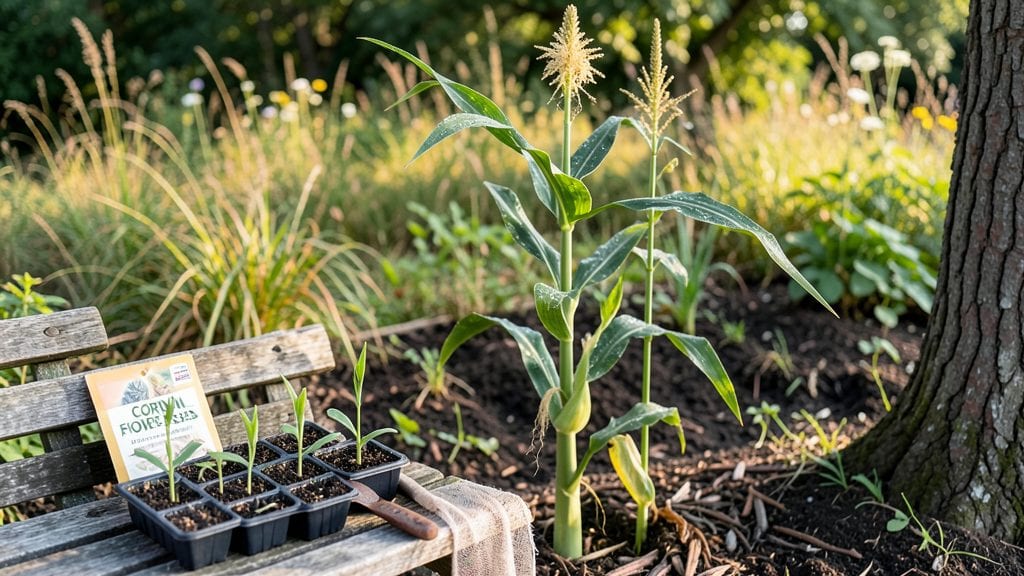
Planting cornflower seeds unlocks a summer of sky-blue blooms that seem to sway in the breeze. 🌻 I’ve grown them for years, and they’re the easiest way to add cheerful color to borders, meadows, or even containers—no fuss, just stunning results.
The secret lies in their love for sun and well-drained soil, which means they thrive where other flowers struggle.
These hardy annuals need almost nothing to flourish: a sunny spot, occasional watering, and minimal fuss. Start seeds indoors 6-8 weeks before your last frost or sow directly after soil warms to 50°F.
They self-seed prolifically, so one planting can become a permanent display. Just be ready for a sea of blue by midsummer—pollinators will thank you!
By late spring, you’ll see delicate, papery petals unfurling in shades of blue, pink, or white. Cornflowers attract bees, butterflies, and birds while tolerating drought once established. Their long stems make perfect cut flowers, too. The best part? They’re disease-resistant and deer-proof, so you won’t waste time battling pests.
Perfect for cottage gardens, wildflower meadows, or even as a living mulch. Once you try them, you’ll never grow another flower quite the same way. Ready to let them take over a sunny corner? Here’s how to get started.
📚 In This Guide
- What you need
- Instructions
- Tips and common mistakes
- Wrapping up and next steps
What you need
- ● Cornflower seeds: 50–100 seeds (depending on desired coverage; packet sizes vary). Opt for Centaurea cyanus for classic blue blooms.
- ● Well-draining potting mix: 2–3 gallons (sterilized to prevent disease). A blend of 50% garden soil and 50% perlite or sand works best.
- ● Containers or garden bed: For pots: 6–8" diameter containers (1–2 seeds per pot). Ensure drainage holes are present!
- ● For garden beds: Full sun (6+ hours/day) and loose, rocky soil (cornflowers hate soggy roots!).
- ● Watering can or spray bottle: With a fine rose nozzle for gentle hydration.
- ○ Fertilizer (optional but helpful): Balanced 10-10-10 granular fertilizer (1 tbsp per gallon of soil) or
- ● Slow-release rose/cutting garden pellets (follow package rates).
- ● Seed-starting trays: For indoor sowing 6–8 weeks before the last frost.
- ● Plant labels: To track varieties (e.g., ‘Blue Boy’ or ‘Black Ball’).
- ● Mulch: Straw or shredded leaves to retain moisture and deter weeds.
- ● Pruning shears: For deadheading spent blooms (encourages more flowers!).
- ● Sunlight meter: To confirm your planting spot gets 6+ hours of direct sun daily.
Step-by-Step instructions for planting cornflower seeds
Here’s how to grow these cheerful blue blooms that’ll bring color to your garden all summer long!
🌱 Step 1: Choose the Perfect Spot and Prepare the Soil
Cornflowers thrive in full sun, so pick a location that gets at least 6-8 hours of direct sunlight daily. They’re tough plants, but they’ll reward you with the most vibrant blooms when they get plenty of light. Avoid shady spots—they’ll stretch and produce fewer flowers.
Loosen the soil in your planting area with a garden fork or tiller to a depth of 6-8 inches. Cornflowers prefer well-draining soil, so if your garden soil is heavy clay, mix in a little compost or sand to improve drainage. The soil should feel crumbly and slightly moist but not soggy when you squeeze it.
🌱 Step 2: Sow the Seeds at the Right Depth and Spacing
Scatter the cornflower seeds directly into the prepared soil, spacing them about 12-18 inches apart. They don’t need to be buried deeply—just press them lightly into the soil so they make good contact with the earth. A light covering of ¼ inch of soil or a sprinkle of compost will do the trick.
If you’re planting in rows, space them about 18 inches apart to give them room to grow. Water the area gently after sowing to settle the seeds into the soil. You’ll see tiny sprouts emerge in about 10-14 days, so keep an eye out for those first green shoots!
💧 Step 3: Water and Maintain for Healthy Growth
Cornflowers are drought-tolerant once established, but they need consistent moisture while they’re getting started. Water the area lightly every 2-3 days until the seedlings are about 4 inches tall. After that, you can reduce watering to once a week, unless your area is experiencing extreme heat or drought.
Watch for signs of overwatering—yellowing leaves or wilting stems can mean too much moisture. Cornflowers prefer slightly dry conditions, so let the soil dry out between waterings. Once the plants are fully grown, they’ll need very little care beyond occasional watering during dry spells.
☀️ Step 4: Enjoy the Blooms and Encourage More Flowers
Cornflowers typically bloom in 60-70 days after sowing, producing clusters of vibrant blue, pink, or purple flowers that’ll last all summer. To keep them flowering, deadhead spent blooms by snipping them off just above the next set of leaves. This encourages the plant to produce more flowers instead of going to seed.
If you want to collect seeds for next year, leave a few flower heads on the plant until they turn brown and dry. The seeds will pop out easily when you’re ready to plant them again. Cornflowers are self-seeding, so you might even find new plants popping up in unexpected spots the following year!
✂️ Step 5: Prepare for Winter and Next Year’s Garden
Cornflowers are annuals, so they’ll die back in the fall after producing seeds. In late autumn, cut the plants back to the ground and remove any debris to keep your garden tidy. If you’re in a cold climate, you can leave the seed heads on the plants over winter for added texture and interest.
In early spring, you can either resow cornflower seeds or let any self-seeded plants grow naturally. These cheerful blooms are easy to grow and will bring joy to your garden year after year with minimal effort. Happy gardening!
Tips & tricks for perfect cornflower blooms
These game-changing tips will help you grow cornflowers that burst with color and thrive all summer long!
The Sunlight Secret: Don't just aim for 6-8 hours of sunlight—cornflowers actually perform best with full sun exposure (8+ hours) for the most vibrant blooms. I've noticed the deepest blues develop when they get maximum sunlight. If your garden has partial shade, consider planting them in containers where you can move them to sunnier spots during peak daylight hours.
Soil Prep Game-Changer: When loosening soil to 6-8 inches in Step 1, mix in a handful of compost or sand even if your soil seems fine. This creates tiny air pockets that help roots breathe, preventing that dreaded "leggy" growth where stems stretch too tall trying to reach light. The crumbly texture is key—think cake batter, not wet sand!
Planting Precision: The 12-18 inch spacing in Step 2 might seem generous, but trust me—crowded cornflowers produce fewer blooms. For a dramatic display, plant in clusters of 3-5 seeds spaced 12 inches apart with 18 inches between clusters. This creates that classic "wildflower meadow" look while maximizing flower production. Mark your spacing with sticks or a string line for perfect placement.
Watering Wisdom: Those first 2-3 days of watering are critical! Use a gentle mist setting on your hose or watering can to avoid disturbing the tiny seeds. Once seedlings hit 4 inches, let the soil dry completely between waterings—this toughens them up. I've seen cornflowers survive weeks without water once established, but they'll reward you with bigger blooms when you let them dry out between drinks.
Pro Tips for Corn Flower Seeds
- These game-changing tips will help you grow cornflowers that burst with color and thrive all summer long!
- The Sunlight Secret: Don't just aim for 6-8 hours of sunlight—cornflowers actually perform best with full sun exposure (8+ hours) for the most vibrant blooms.
- Soil Prep Game-Changer: When loosening soil to 6-8 inches in Step 1, mix in a handful of compost or sand even if your soil seems fine.
Frequently asked questions
Got questions about growing cornflower seeds? You’re not alone! Here are some of the most common concerns—and their easy solutions—to help you cultivate a vibrant, sunlit garden all season long.
How long does it take for cornflower seeds to germinate?
Cornflower seeds typically sprout within 7 to 14 days after planting, depending on soil temperature and moisture. For faster results, keep the soil consistently moist (but not soggy) and plant in well-draining soil with full sun exposure. Patience pays off—those first tiny shoots are worth the wait!
When is the best time to plant cornflower seeds?
Cornflowers thrive in cool to warm weather, so aim to plant seeds 2 to 3 weeks after your last frost date in spring. You can also sow them in late summer for fall blooms. Avoid planting when temperatures exceed 80°F (27°C), as this can stress young seedlings.
Can cornflower seeds be grown indoors before transplanting?
Yes! Start seeds indoors 4 to 6 weeks before the last frost in biodegradable pots or seed trays. Use a sunny windowsill or grow lights to ensure strong seedlings. Harden them off for a week before transplanting outdoors to avoid shock. Pro tip: Pinch back leggy seedlings to encourage bushier growth!
Why aren’t my cornflower seeds sprouting?
If your seeds aren’t germinating, check these common issues:
- Too cold: Cornflowers need soil temps of at least 50°F (10°C) to sprout.
- Poor soil contact: Press seeds lightly into soil—they need darkness to germinate.
- Overwatering: Damp, compacted soil can suffocate seeds.
- Old seeds: Store-bought seeds last 1–2 years; fresh seeds germinate better.
Are there any alternatives to cornflower seeds for similar blooms?
If you love cornflowers’ bright blue hues and long stems, try these easy alternatives:
- Bachelor’s Buttons (Cornflower’s cousin): Nearly identical care and blooms!
- Blue Salvia: Drought-tolerant with striking spikes.
- Lavender: Fragrant and low-maintenance for pollinators.
- Poppies: Fast-growing and effortlessly cheerful.
Wrapping up and next steps
Cornflower seeds are your ticket to a vibrant, low-maintenance garden that thrives under the sun! With their striking blue blooms and easy-growing nature, they’re perfect for adding color and charm to any outdoor space.
Whether you’re a seasoned gardener or just starting out, these cheerful flowers will reward your efforts with minimal fuss.
Ready to bring summer’s joy to life? Grab your seeds, find a sunny spot, and let the magic unfold—your garden will thank you! 🌸