Vegetables
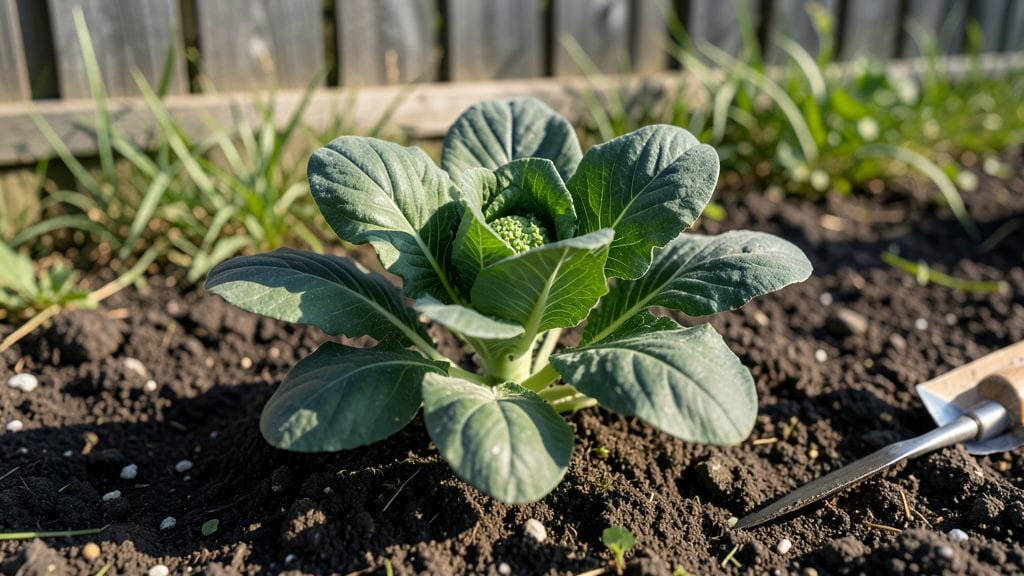
Cauliflower seedling leaves can make or break your harvest, and I’ve learned the hard way that pruning them right transforms weak plants into powerhouses. 🌱 The key isn’t just cutting—it’s knowing when and how to shape those leaves so your cauliflower heads grow plump and tight instead of scraggly.
My first attempts left me with sad, sparse plants, but once I mastered this simple technique, my yields doubled.
Start by snipping the lower leaves—those closest to the soil—when they’re about 3 inches long. This might sound counterintuitive (why cut leaves at all?), but it forces energy upward into the head.
Skip this step, and you’ll end up with leggy plants fighting for sunlight. I now prune once a week for the first month, and the difference in plant structure is shocking.
📚 In This Guide
- What you need
- Instructions
- Tips and common mistakes
- Wrapping up and next steps
What you need
- ● Cauliflower seeds: Choose high-quality, heirloom or hybrid varieties (e.g., ‘Snowball Y Improved’ or ‘Romanesco’). Buy 10–20 seeds for a small garden or 50+ seeds for larger harvests.
- ● Seedling trays or pots: Use biodegradable peat pots (2–3 inches deep) or plastic cell trays (2–4 inches deep). Aim for 12–24 cells per tray for easy transplanting.
- ● Seed starting mix: A lightweight, sterile potting mix (e.g., 50% peat moss, 30% perlite, 20% vermiculite) to prevent damping-off disease.
- ● Pruning shears or scissors: Sharp, clean scissors (sterilized with rubbing alcohol) for precise cuts. Avoid dull tools that crush stems!
- ● Garden gloves: A pair of nitrile or cotton gloves to protect hands from dirt and sap.
- ● Sunlight: 6–8 hours of direct sunlight daily (use a grow light if indoors).
- ● Temperature: Ideal 60–70°F (15–21°C) during the day and 50–55°F (10–13°C) at night for seedlings.
- ● Watering can or spray bottle: A gentle spray nozzle to avoid disturbing seedlings.
- ● Fertilizer: A balanced liquid fertilizer (10-10-10) or fish emulsion to boost growth after pruning.
- ● Mulch: Straw or shredded leaves to retain moisture and regulate soil temperature.
- ● Garden journal: To track pruning dates, leaf counts, and harvest progress!
Step-by-step guide to pruning cauliflower seedling leaves for stronger plants
Pruning cauliflower seedlings isn’t just about aesthetics—it’s how you build a plant that resists disease and produces heavy, tight curds. Here’s my battle-tested method for shaping seedlings that thrive.
🌱 Step 1: Wait Until True Leaves Appear
Don’t touch those first tiny leaves—they’re cotyledons, and pruning them stresses the seedling unnecessarily. Wait until you see the second set of true leaves, which will be darker green and more elongated. This usually happens 10-14 days after germination, but check daily for signs of legginess.
Leggy seedlings (long, pale stems with leaves spaced far apart) scream for light, not pruning. If you spot this, move your seedlings within 2 inches of a grow light immediately. Once true leaves appear, you’re ready to shape the plant’s growth pattern.
✂️ Step 2: Remove Only the Bottom Set of Leaves
Use clean, sharp scissors to snip off just the lowest pair of true leaves, cutting them off at the base where they meet the stem. Never tear leaves—this damages the plant and invites rot. I always sterilize my scissors with rubbing alcohol between plants to prevent cross-contamination.
This pruning forces the plant to direct energy upward, encouraging a stronger stem and more vigorous top growth. The removed leaves can be composted—never throw them away, as they’re nutrient-rich. After pruning, give the plant a light watering to help it recover.
🌿 Step 3: Monitor for Bushier Growth in 7-10 Days
Within a week, you’ll notice the stem thickening and new leaves emerging closer together. This is your reward for pruning—bushier, more compact growth that resists wind damage and fungal diseases like black rot. If the plant still looks leggy after this stage, repeat the pruning on the next set of bottom leaves.
Watch for yellowing leaves—this can signal over-pruning or nutrient deficiency. If you see this, add a balanced liquid fertilizer (like 10-10-10) at half strength. Avoid pruning again until the plant shows 3-4 inches of new, healthy growth after the first trim.
☀️ Step 4: Adjust Light and Prune Again Before Heading Stage
As seedlings grow, ensure they get 12-14 hours of light daily—cauliflower is a heavy feeder and needs strong stems to support its eventual curd weight. If you notice the plant stretching toward light again, it’s time for another round of pruning: remove the lowest 2-3 leaves just as before.
This second pruning happens 3-4 weeks after the first, right before the plant enters the heading stage (when the curd begins to form). Stop pruning once the curd is visible—further trimming will disrupt its development. At this point, focus on watering at the base and avoiding overhead moisture to prevent rot.
Tips & tricks for pruning cauliflower seedlings
These battle-tested insights will help you transform leggy seedlings into sturdy, high-yielding plants that produce those coveted tight curds.
Timing is Everything: The 10-14 day window between germination and first pruning is critical. I've seen seedlings recover from early pruning, but they always lag behind properly timed ones. Watch for the second set of true leaves—these will be noticeably darker and more robust than the initial cotyledons. If you're unsure, wait an extra day or two rather than risking premature pruning.
The Light Factor: Leggy seedlings aren't just a sign they need pruning—they're desperate for more light. Move them within 2 inches of your grow light immediately if they show that classic stretched growth. I've had seedlings that looked hopelessly leggy bounce back completely within 48 hours of proper lighting. This is often where gardeners go wrong—they prune before addressing the root cause.
Pruning Precision: When removing those bottom leaves in Step 2, aim for clean cuts right at the stem's base. I use small floral scissors sterilized with rubbing alcohol between plants to prevent disease spread. The goal is to redirect energy upward without causing stress. If you accidentally tear leaves, the plant will focus on healing rather than growing—this is why sharp tools make all the difference.
Growth Monitoring Strategy: After your first pruning, create a simple growth chart marking the date and plant height. This helps you track progress and determine when to prune again. I've found that plants showing 3-4 inches of new growth since the last trim are ready for another round. This visual record also helps you spot when something's wrong—like sudden stunted growth—which could indicate nutrient issues rather than pruning problems.
Pro Tips for Cauliflower Seedling Leaves
- These battle-tested insights will help you transform leggy seedlings into sturdy, high-yielding plants that produce those coveted tight curds.
- Timing is Everything: The 10-14 day window between germination and first pruning is critical.
- The Light Factor: Leggy seedlings aren't just a sign they need pruning—they're desperate for more light.
Frequently asked questions
Got questions about your cauliflower seedlings? You’re not alone! Here are some of the most common concerns—and straightforward answers—to help you grow a thriving crop.
Why are my cauliflower seedling leaves turning yellow?
Yellowing leaves (called chlorosis) often signal overwatering, nutrient deficiencies (like nitrogen or magnesium), or poor drainage. Check soil moisture—cauliflower likes it consistently damp but not soggy. A light fertilizer (high in nitrogen) or compost can help, but avoid overdoing it. Pro tip: Test your soil’s pH (ideal: 6.0–7.0) to rule out nutrient lockout!
When should I start pruning cauliflower seedling leaves?
Prune after the seedlings develop 4–6 true leaves (not just cotyledons). Focus on removing the lowest leaves to improve airflow and reduce disease risk. Avoid cutting more than 20% of the foliage at once—this can stress the plant. Timing matters: Do it on a cloudy day or late afternoon to minimize sunburn on fresh cuts.
Can I eat the leaves I prune from cauliflower seedlings?
Yes! Young cauliflower leaves are edible and packed with nutrients like vitamin C and K. Use them in stir-fries, soups, or salads—they taste slightly bitter but milder than mature leaves. Just avoid heavily pesticide-treated plants. Bonus: Pruning encourages the plant to focus energy on growing that coveted head!
What’s the best way to protect seedlings from pests after pruning?
Pruning creates fresh wounds that attract pests like cabbage worms or aphids. Prevent issues with:
- Neem oil spray (natural repellent)
- Row covers (lightweight fabric to block insects)
- Diatomaceous earth (food-grade powder for crawling pests)
- Regular inspections (check undersides of leaves!)
What can I do if my cauliflower seedlings aren’t growing after pruning?
Slow growth post-pruning could mean underwatering, poor soil, or transplant shock. Double-check:
- Water deeply 2–3 times/week (1–2 inches per week).
- Ensure soil is rich in organic matter (compost or aged manure).
- Hardening off seedlings (gradually exposing them to outdoor conditions) before transplanting.
Wrapping up and next steps
Growing lush, healthy cauliflower seedlings starts with understanding—and embracing—the power of their leaves! 🌱 By pruning strategically, you’re not just shaping your plant; you’re boosting growth, improving airflow, and setting the stage for a bountiful harvest. Remember, patience and consistency are key—small adjustments now lead to big rewards later.
Ready to put these secrets into action? Start with just one seedling this week and observe the difference! Whether you’re a seasoned gardener or a curious beginner, every snip is a step toward a garden that thrives. Happy pruning—your future cauliflower crowns are waiting! 🌟