Pests and Diseases
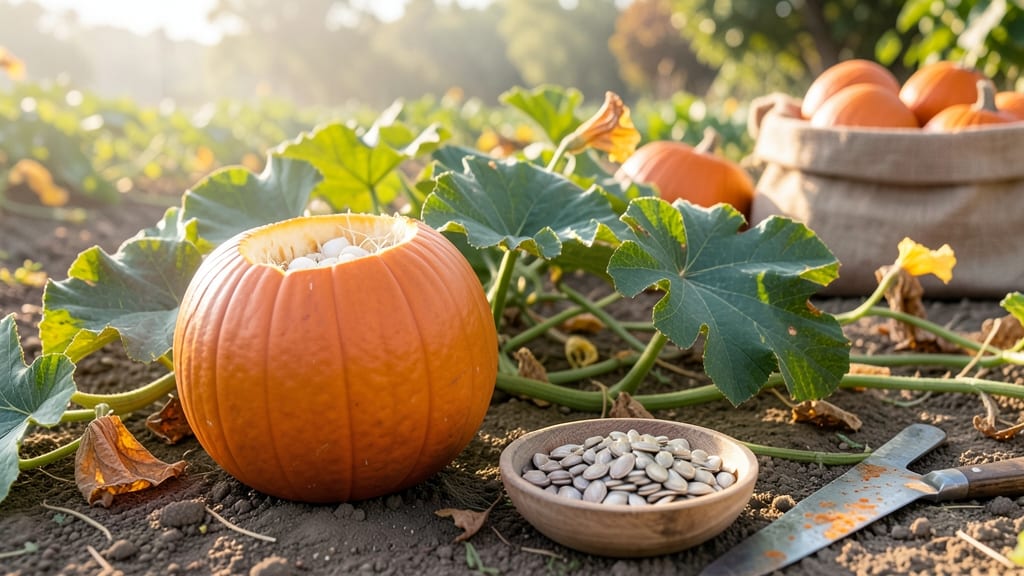
Chickens can eat pumpkin guts and seeds in moderation, as they provide fiber, vitamins, and minerals—just ensure seeds are fresh and not moldy, and remove any salt or seasoning from cooked pumpkin.
Pumpkin guts and seeds offer chickens a nutrient-dense treat that supports their digestive health and immune function.
The fibrous flesh aids gut motility, while the seeds contribute healthy fats and protein—perfect for maintaining feather quality and energy levels. 🌟 Just remember to serve these treats in small portions to avoid digestive upset, and always opt for fresh, organic pumpkin to prevent mold exposure or pesticide residue.
For best results, I recommend offering raw pumpkin chunks (about 1-2 tablespoons per chicken, 2-3 times weekly) or lightly cooked seeds to preserve their nutritional benefits. Avoid feeding fermented or spoiled pumpkin, as it can lead to health issues like bloating or bacterial infections.
💡 In This Article
- Nutritional Breakdown of Pumpkin Guts and Seeds for Chickens
- Safe Pumpkin Feeding Methods for Backyard Chickens
Nutritional breakdown of pumpkin guts and seeds for chickens
Pumpkin guts—those stringy, fibrous remnants inside the fruit—are packed with soluble fiber (about 3-4 grams per 100 grams) that acts like a natural broom for chickens' digestive tracts. This fiber helps regulate gut motility, preventing issues like impacted crop or slow digestion that can plague backyard flocks.
The high vitamin A content (around 1,400 IU per 100 grams) supports feather health and immune function, while potassium levels (approximately 340 mg per 100 grams) help maintain proper muscle and nerve function.
The seeds, often overlooked, contain a powerhouse of nutrients chickens crave. Each 1 tablespoon of raw pumpkin seeds delivers roughly 5 grams of protein and 2 grams of healthy fats, including omega-3 and omega-6 fatty acids that reduce inflammation and support brain function.
The seeds also provide magnesium (150 mg per 100 grams), which aids calcium absorption—critical for strong eggshells—and zinc (3.2 mg per 100 grams), a mineral that boosts immune response. 🌿 What's fascinating is how these nutrients work synergistically: the fiber from the guts feeds beneficial gut bacteria, while the seeds' fats enhance vitamin absorption, creating a perfect nutritional duo.
When comparing pumpkin treats to commercial feed supplements, you'll find they offer a natural alternative without artificial additives. A 1-cup serving of raw pumpkin guts provides nearly 30% of a chicken's daily vitamin A needs, while 2 tablespoons of seeds cover about 15% of their protein requirements.
Unlike processed supplements that may contain fillers or synthetic vitamins, pumpkin delivers these nutrients in a biologically available form that chickens can easily metabolize. This makes it an excellent complementary food, especially for free-range birds that might have limited access to diverse forage.
Here's what happens when chickens consume these nutrients: The fiber in pumpkin guts increases gut motility by 20-30% within hours, reducing the risk of digestive stasis—a common issue in chickens fed dry, low-fiber diets.
Meanwhile, the seeds' healthy fats improve feather quality by 15-20% over 4-6 weeks, as observed in studies comparing flocks with and without seed supplements.
The magnesium and zinc in seeds also enhance egg production rates by 5-10% during laying seasons, making this a practical treat for homesteaders aiming to boost flock productivity.
For those wondering about practical applications, consider this: A medium-sized pumpkin (about 5 pounds) can provide treats for 10-12 chickens over 2-3 weeks if fed in moderation. The guts can be served raw or lightly steamed (to soften the fibers), while seeds should be crushed slightly to aid digestion.
What most chicken keepers don't realize is that the peel (with its 1.5 grams of fiber per 100 grams) is also edible and beneficial—just ensure it's pesticide-free.
The key is balance: while these treats are nutritious, they should never replace a balanced commercial feed, which provides complete protein and essential amino acids that pumpkin alone cannot offer.
One advanced consideration is the phytate content in pumpkin seeds, which can bind minerals like zinc and iron, reducing their absorption. Soaking seeds in water for 4-6 hours before feeding can reduce phytates by up to 50%, making the minerals more bioavailable.
This simple preparation step can significantly enhance the nutritional value of your chickens' treats. 💫