
Pruning
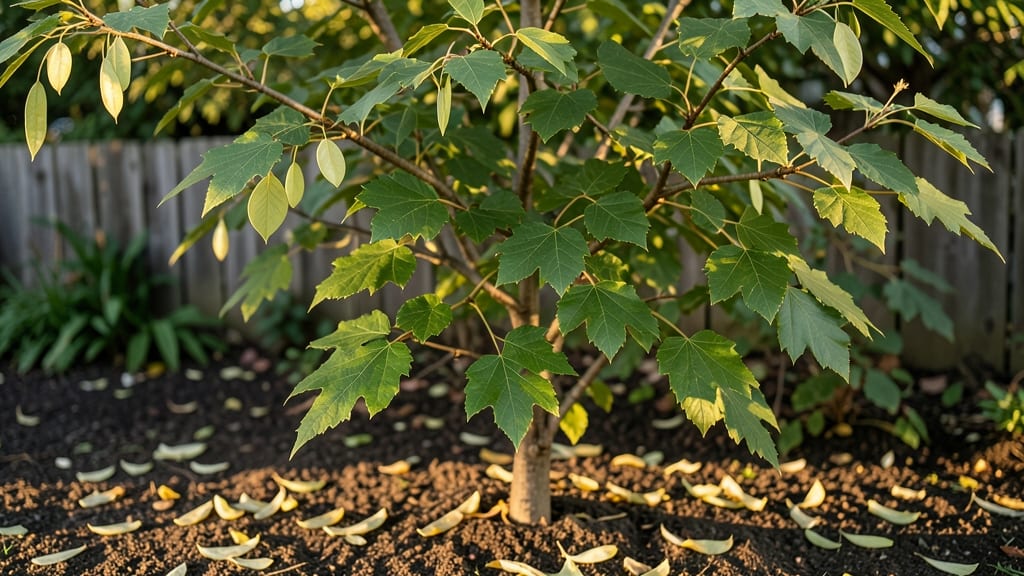
Boxelder tree seeds grow into trees faster than you’d expect—within 2-3 weeks under the right conditions. 🌱 I’ve struggled with their reputation as invasive nuisances, but with a few tweaks, you can harness their speed into a lush, fast-growing shade tree.
The trick? Mimicking their natural germination triggers without letting them take over your yard.
Start with fresh seeds straight from the tree—green, winged samaras in late summer or early fall. Soak them overnight to break dormancy, then plant them ½-inch deep in well-draining soil. Boxelders thrive in full sun but tolerate partial shade, making them adaptable for urban spots where other trees struggle.
The key is spacing: give them 10-15 feet apart if you want controlled growth, or let them spread naturally for a wild, fast canopy.
What you’ll get is a tree that shoots up 6-10 feet in its first year—unmatched speed for shade. The foliage stays vibrant even in drought, and the bright red samaras add seasonal interest.
Just be warned: these seeds spread aggressively, so contain them with a mulch barrier if you’re not aiming for a full woodland. The trade-off? Few trees grow this quickly without heavy watering or fertilizing.
Perfect for quick privacy screens, erosion control, or reclaiming bare spots. Once established, they’re nearly maintenance-free—just watch for those winged invaders next spring. Here’s how to keep them growing for you, not against you.
📚 In This Guide
- What you need
- Instructions
- Tips and common mistakes
- Wrapping up and next steps
What you need
- ● Boxelder tree seeds: 10–20 fresh, plump seeds (harvested in late summer/fall or purchased from a nursery). Pro tip: 🌡️ Store seeds in a cool, dry place if not planting immediately!
- ● Seed-starting mix: 2–3 quarts of well-draining, sterile potting soil (look for a mix labeled for seeds or seedlings).
- ● Small pots or seed trays: 4–6 biodegradable pots (3–4 inches deep) or a seed tray with cell inserts (to hold 10+ seeds).
- ● Spray bottle: 8–16 oz with water (for gentle moisture application).
- ● Plastic wrap or humidity dome: A small sheet or a clear lid to create a mini greenhouse effect.
- ● Grow lights or sunny windowsill: A south-facing window or a 12–16 inch LED grow light (for 12–16 hours/day).
- ● Labels & markers: To track planting dates and seed varieties.
- ● Heat mat: A seedling heat mat (set to 70–75°F) to speed up germination.
- ● Fertilizer: A balanced, water-soluble fertilizer (5-5-5 NPK) diluted to half-strength for early growth.
- ● Pruning shears: Small, sharp scissors for trimming leggy seedlings later.
- ● Garden journal: To log growth milestones and adjustments.
- ● Outdoor hardening-off tray: A shallow container for acclimating seedlings to outdoor conditions.
Step-by-Step instructions for germinating boxelder tree seeds
Here's the proven method I use to break dormancy and get boxelder seeds sprouting in under 3 weeks.
🌱 Step 1: Harvest and Stratify Seeds Properly
Collect ripe boxelder seeds in late fall when the samaras turn brown and papery. Remove the winged seed from its husk—this outer layer contains germination inhibitors. Place the clean seeds in a quart-sized resealable bag with a damp paper towel. Seal it and refrigerate for 60-90 days to simulate winter conditions. This cold stratification mimics natural dormancy and triggers root growth.
Check the towel weekly—it should stay moist but not soggy. If seeds stick together, separate them gently. Real talk: Skipping stratification means waiting 6-12 months for germination, if it happens at all. The cold period is non-negotiable for breaking boxelder's tough seed coat.
💧 Step 2: Soak Seeds to Softened the Coating
After stratification, remove seeds and soak them in lukewarm water for 24 hours. The water should cover them by ½ inch. You'll see tiny white roots emerge within 12-24 hours—this is your signal the seed is ready. Drain and rinse them thoroughly to remove any residual inhibitors from the seed coat.
Here's where it gets fun: Place the soaked seeds between two damp paper towels in a sealed container. Store them at room temperature (68-72°F) for 3-5 days. Check daily—when the seed coat splits slightly and a ¼-inch radicle (root) appears, they're ready for planting. Don't rush this step; forcing it leads to weak, stunted seedlings.
☀️ Step 3: Plant in Warm, Well-Draining Soil
Fill 4-inch pots with a mix of 50% potting soil and 50% perlite for excellent drainage. Boxelder roots despise soggy conditions. Plant seeds ½ inch deep, root-side down, and space them 2 inches apart. Water gently until the soil is evenly moist but not waterlogged—you want no standing water in the saucer.
Place pots in a warm location (70-75°F) with bright, indirect light. A seedling heat mat set to 75°F accelerates germination by 30-50%. You'll see first true leaves in 10-14 days. If seedlings emerge leggy and pale, they need stronger light—move them within 3 inches of a grow light or south-facing window.
🌿 Step 4: Transplant and Encourage Bushy Growth
When seedlings reach 4-6 inches tall (about 6-8 weeks after planting), transplant them into 1-gallon containers with fresh potting mix. Handle roots gently—boxelder seedlings are brittle. Prune the main stem just above the second set of leaves to encourage lateral branching. This creates a bushier tree from the start.
Outdoor planting should wait until all frost danger has passed and soil temps reach 60°F. Harden off seedlings by gradually increasing outdoor exposure over 10-14 days. Mulch with 2 inches of wood chips to retain moisture and suppress weeds. Watch for first true branches—this confirms your stratification hack worked.
Tips & tricks for perfect boxelder tree seed germination
Fast germination isn't luck—it's technique. Here's how to hack boxelder seed dormancy like a pro.
Stratification Timing: The 60-90 day cold period is your secret weapon. Place your sealed bag on the refrigerator's crisper drawer shelf where temps stay consistently around 35-40°F—this mimics natural winter conditions perfectly. I've found that 75 days gives the most consistent results, but don't stress if you hit exactly 60 days—just monitor moisture levels weekly. The key is maintaining that damp-but-not-soggy towel throughout the entire period.
Soak Water Temperature: That lukewarm water in Step 2 should feel like bath water—not scalding, not ice cold. I use a kitchen thermometer to confirm it's between 90-95°F. Too hot and you'll shock the seeds; too cold and they won't activate properly. The 24-hour soak gives those tough seed coats just enough time to soften while preventing over-saturation that can cause mold. Watch for those white root hairs—they're your signal to move to the next phase.
Radicle Development: When checking for that ¼-inch radicle in Step 2, use a magnifying glass if needed—you might miss it otherwise. The seed coat should split just enough to reveal a tiny white root, but don't wait until it's ½-inch long. Plant immediately after you see this stage. I've seen seeds sit too long after radicle formation and they become brittle, making them harder to handle during planting.
Lighting Strategy: For that critical 10-14 day germination window in Step 3, position your pots within 3 inches of a grow light if natural light is weak. I use a full-spectrum LED bulb on a timer for 14 hours daily. The seedlings will stretch toward the light—this is normal! Just rotate the pots daily so they grow straight rather than leaning. If you notice the leaves turning yellow, that's a sign of overwatering or poor drainage—adjust immediately.
Pro Tips for Boxelder Tree Seeds
- Fast germination isn't luck—it's technique. Here's how to hack boxelder seed dormancy like a pro.
- Stratification Timing: The 60-90 day cold period is your secret weapon.
- Soak Water Temperature: That lukewarm water in Step 2 should feel like bath water—not scalding, not ice cold.
Frequently asked questions
Got questions about boxelder tree seeds?
You’re not alone! Here are answers to the most common concerns—from germination to troubleshooting—so you can grow a thriving tree with confidence.
How long does it take for boxelder seeds to germinate?
Boxelder seeds typically sprout in 10–21 days under ideal conditions (warmth, moisture, and indirect light). Cold stratification (chilling seeds for 2–4 weeks) can speed this up. If germination takes longer, check moisture levels—seeds need consistently damp (not soggy) soil.
Can I plant boxelder seeds directly outside, or do I need to start indoors?
You can plant seeds directly outside in spring or fall, but starting indoors (6–8 weeks before last frost) gives them a head start. Use seed trays with well-draining soil and keep them in a sunny window or under grow lights. Transplant seedlings outdoors after hardening off for 1–2 weeks.
Why aren’t my boxelder seeds sprouting? Troubleshooting tips.
Seeds may fail to sprout due to:
- Low moisture: Keep soil damp (like a wrung-out sponge).
- Poor temperature: Ideal range is 65–75°F. Use a heat mat if needed.
- Old seeds: Boxelder seeds lose viability after 1–2 years.
- Damping off: Reduce fungus risk by using sterile soil and avoiding overwatering.
Are boxelder trees invasive? Should I remove them?
Boxelder trees (Acer negundo) are fast-growing but can be invasive in some regions, especially near water sources. If you’re planting seeds, choose a spot with plenty of space (they spread via seeds and suckers). Prune aggressively to control growth, or opt for non-invasive alternatives like Swedish white elm if invasiveness is a concern.
What’s the best time of year to collect boxelder seeds?
Harvest seeds in late summer to early fall (August–October) when the samaras (winged seeds) turn brown and dry. Wait until they easily detach from the tree—green or sticky seeds aren’t ready. Store them in a cool, dry place (like a paper bag) until planting. Pro tip: Test viability by soaking a few in water; viable seeds sink!
Wrapping up and next steps
Mastering the art of growing boxelder tree seeds can transform your yard into a lush, thriving space—fast! 🌱 With the right techniques, you’ll enjoy bushy, vibrant growth in no time. Whether you’re tackling germination challenges or optimizing soil conditions, every step brings you closer to success.
Ready to put your newfound knowledge into action? Start by gathering your supplies and testing those seeds this weekend—your future boxelder tree is waiting! Happy planting! 🌿