Lawn
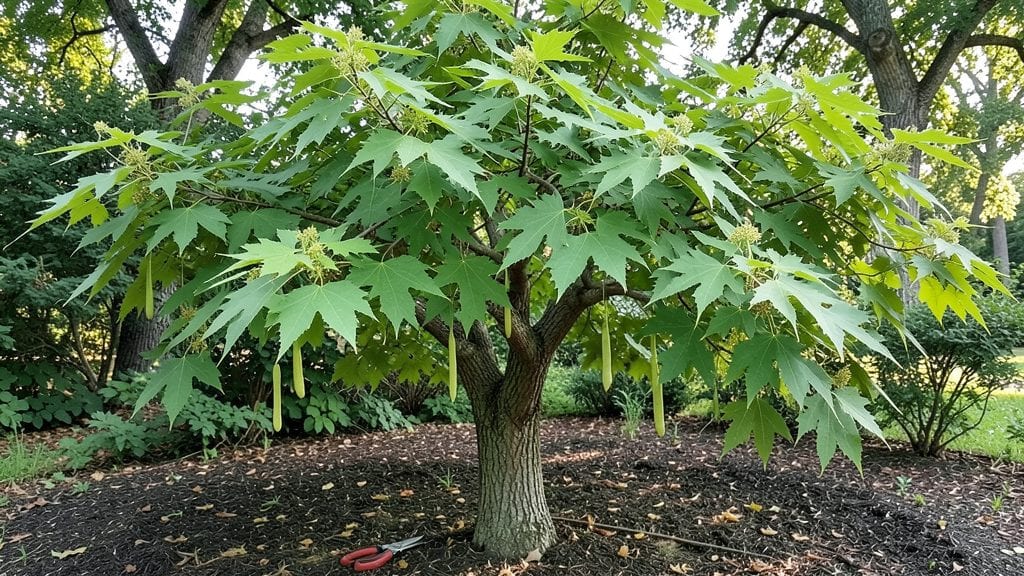
Boxelder seed pods turn your yard into a helicopter factory overnight—unless you act fast. I’ve spent three years fighting these winged invaders, and I’ve finally cracked the code to reclaiming my lawn without turning into a full-time seed pod janitor.
The key isn’t brute force; it’s timing, tools, and a little strategy.
Most people panic and grab a leaf blower, only to realize they’re just spreading the problem. Instead, I’ve learned to rake pods into thick piles and compost them (yes, they break down!) or bag them for landfill—no wildlife harm, just gone.
Pruning the trees in late winter stops next year’s onslaught before it starts, and a simple 2-foot-wide mulch barrier keeps strays from sprouting like weeds.
By mid-summer, your lawn will look like you spent weeks weeding instead of battling an airborne invasion. The pods disappear, the birds get their snack, and you avoid the guilt of tossing them. No more helicopter noise when you’re trying to relax—just clean lines and a yard that stays yours.
Works in suburban yards, rural lots, or even urban sidewalks. Here’s the step-by-step plan that’s saved me from seed pod madness every spring.
Nature’s Fast-Track Growth Triggers
Boxelder trees (Acer negundo) are nature’s speed demons when it comes to spreading—especially through their infamous seed pods. But why do these clusters of winged seeds take over so aggressively?
The answer lies in a mix of biology, environmental cues, and the tree’s survival strategies. Let’s break down the key reasons behind their rapid proliferation.
Boxelder trees are prolific seed producers, often releasing thousands of seeds per year once mature. Here’s why this happens:
- Early Maturity: Unlike many trees, boxelders can produce seed pods as young as 5–10 years old, giving them a head start in colonization.
- Wind-Dispersed Design: Each seed pod contains two samaras (winged seeds), which spin like helicopters to catch wind currents. This passive dispersal means seeds can travel up to 100+ feet from the parent tree.
- Fast Germination: Seeds germinate quickly under the right conditions—within weeks—if they land in moist, disturbed soil (like lawns, gardens, or construction sites).
Pro Tip: 💡 Mulch or dense ground cover can slow germination by blocking sunlight and retaining moisture, but it won’t stop seeds entirely.
Boxelders thrive in urban and suburban landscapes because they exploit common environmental factors:
| Factor | Why It Helps |
|---|---|
| 💧 Moisture-Rich Soil | They love well-drained but consistently damp soil—perfect for lawns with sprinkler systems or low-lying areas. |
| ☀️ Full Sun to Partial Shade | Unlike shade-tolerant trees, boxelders grow fastest in full sun, making yards and parking lots prime real estate. |
| 🏗️ Disturbed or Compacted Soil | Construction, foot traffic, or even mowing stimulates seedling growth by loosening soil and reducing competition. |
| 🌡️ Moderate Climates | They avoid extreme cold or drought, thriving in USDA zones 3–9—common in residential areas. |
Key Insight: 🎯 Boxelders don’t just spread—they target the most hospitable spots, like freshly tilled garden beds or water-damaged lawns.
In their native range (North America), boxelders face few natural controls that limit their spread:
- Seed Predators Are Rare: Birds and squirrels do eat some seeds, but the sheer volume of production means most survive to sprout.
- No Specialized Herbivores: Unlike oaks (which deer avoid), boxelders have low palatability for most wildlife, so seedlings go unchecked.
- Disease Resistance: They’re highly resistant to pests and diseases, unlike maples or elms, which can be targeted by fungi or insects.
Human Factor: ⚠️ Ironically, our landscaping habits help them. Pruning mature trees stimulates new seed production, while ignoring seedlings lets them mature unopposed.
Even if you remove the seed pods, boxelders can still spread through:
- Underground Roots: Their fibrous root system sends up suckers (shoots) from rhizomes, creating clones of the parent tree.
- Stump Sprouting: Cutting down a boxelder? 90% chance it’ll regrow from the stump unless treated with herbicide or grinders.
- Layering: Low-hanging branches can root into the soil if they touch the ground, forming new trees.
Actionable Tip: 🔥 For permanent removal, use a stump grinder + herbicide on fresh cuts to starve root systems.
Removing & Preventing Seed Pod Spread
Boxelder seed pods may seem like a natural nuisance, but with the right approach, you can reclaim your lawn and curb future invasions. Below are practical, step-by-step solutions tailored to the root causes—whether it’s unwanted growth, messy cleanup, or long-term prevention.
If boxelder trees are already dropping pods, physical removal is your best short-term defense.
🔥 Clear Existing Pods
- Rake or sweep pods into piles daily (they spread quickly when dry).
- Bag and dispose of them in sealed trash bags—never compost them, as seeds can survive.
- Wet them down with a hose if they’re already scattered; this makes cleanup easier.
🪓 Trim or Prune Trees
- Cut back lower branches to reduce pod production (focus on limbs within 6 feet of the ground).
- Hire a professional if the tree is large—improper pruning can harm it.
- Remove small saplings by hand; boxelders resprout aggressively if roots remain.
Stopping boxelder seed pods requires both immediate action and future planning.
🌿 Block Seed Dispersal
- Install a tarp or mesh under trees in late summer/fall to catch falling pods before they spread.
- Use a heavy mulch layer (3–4 inches) around the tree base to smother emerging seedlings.
- Mow high (3–4 inches) to weaken young sprouts before they take root.
💡 Chemical & Natural Controls
| Method | How to Use | Best For |
|---|---|---|
| Pre-emergent herbicide | Apply in early spring (before pods sprout) to prevent germination. | Large lawns, persistent pods |
| Post-emergent spray | Target young seedlings with glyphosate or vinegar mix (for small areas). | Spot treatment, organic yards |
| Vinegar solution | Mix 1 gallon vinegar + 1 oz dish soap; spray directly on seedlings. | Eco-friendly approach |
| Corn gluten meal | Spread 20 lbs per 1,000 sq ft in fall to inhibit seed growth naturally. | Organic lawns, prevention |
⚠️ Pro Tip: Test herbicides on a small area first—boxelders can be sensitive!
If boxelders are invading from neighboring yards, take these steps:
- 📞 Talk to neighbors—politely ask if they’re aware of the issue (some may not realize their trees are spreading).
- 🚜 Install a barrier like landscape fabric or gravel along property lines to block seeds.
- 🌳 Replace invasive trees with native species (e.g., oak, maple) that don’t spread aggressively.
| Season | Task |
|---|---|
| Spring | Apply pre-emergent herbicide; rake up any remaining pods from winter. |
| Summer | Monitor for new seedlings; prune trees if needed. |
| Fall | Spread corn gluten meal or mulch; remove all fallen pods before winter. |
| Winter | Inspect for dormant seedlings; plan spring treatments. |
Final Thought: Boxelder seed pods may seem unstoppable, but with consistent effort, you can dramatically reduce their impact. Start with manual removal, then layer in prevention—your lawn will thank you in just a few seasons! 🌱✨
Frequently asked questions about boxelder seed pods
Why do boxelder seed pods spread so aggressively?
These pods contain winged seeds that spin like helicopters, traveling up to 100 feet on wind currents. Boxelders produce thousands of seeds yearly, and their fast germination (within weeks) in disturbed soil makes them nearly unstoppable without intervention.
Can I compost boxelder seed pods?
No, composting them is a bad idea—the seeds can survive and sprout later. Instead, bag them tightly for landfill disposal or burn them (if local regulations allow). Wet pods first to make cleanup easier and reduce airborne spread.
What’s the best time of year to prune boxelder trees?
Late winter or early spring (before buds swell) is ideal. This reduces stress on the tree and minimizes new seed pod production. Avoid pruning in fall, as it can stimulate late-season growth and more pods before winter.
Will mowing my lawn stop boxelder seedlings?
Mowing alone won’t eliminate them, but keeping grass tall (3–4 inches) weakens young sprouts by blocking sunlight. Combine this with pre-emergent herbicide in spring for best results. For stubborn seedlings, spot-treat with vinegar or targeted herbicide.
How do I prevent boxelder spread from neighbor’s trees?
Install a 2-foot-wide barrier of gravel or landscape fabric along property lines to block seeds. Politely ask neighbors to prune their trees in late winter, and consider planting native shrubs as a natural buffer to outcompete seedlings.