Planting
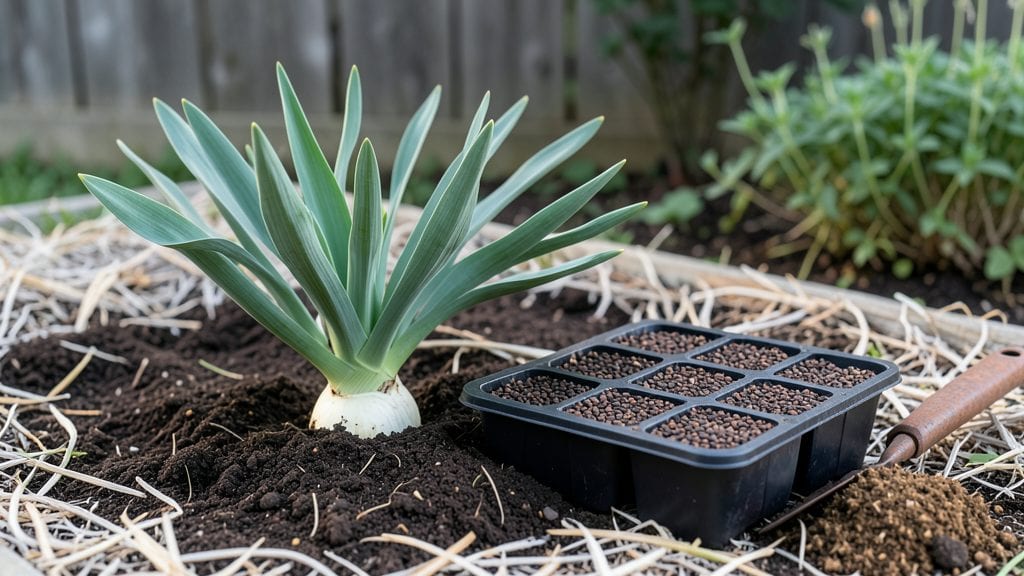
Sowing allium seeds 🌷 at the right time and depth unlocks the secret to bold blooms and lush foliage that lasts all season.
Alliums—from fragrant garlic chives to show-stopping ornamental onions—can transform your garden with minimal effort, but timing and depth are everything for thriving blooms. Get the sowing strategy right, and you’ll enjoy lush foliage and vibrant flowers season after season.
In USDA Zone 6a, the best window to start these seeds is late summer to early fall or early spring, when soil temperatures hover just above 50°F.
Too early, and the seeds rot; too late, and they’ll bolt before flowering. The trick is patience—planting too shallow or too deep can stunt growth or prevent germination entirely.
Below, I’ll walk you through the exact planting depth, spacing, and care tips to ensure your alliums thrive from seed. No more guesswork, just reliable blooms year after year.
Optimal sowing times for Allium seeds by variety and climate
Sowing allium seeds at the right time ensures strong germination and vibrant blooms. Most varieties thrive when planted in cool seasons, but timing varies by climate zone and seed type.
Whether you’re growing garlic, onions, or ornamental Allium giganteum, understanding these nuances will set your garden up for success.
For cool climates (USDA Zones 3-7), fall sowing is ideal—typically between late August and October. This allows seeds to establish roots before winter dormancy.
In warm climates (Zones 8-10), aim for early spring (February-March) to avoid summer heat stress. Always check your last frost date to plan accordingly.
| Variety | Best Sowing Time | Climate Zone | Notes |
|---|---|---|---|
| Garlic (Allium sativum) | Fall (Oct-Nov) or Early Spring (Feb-Mar) | Zones 3-8 | Plant cloves, not seeds; needs cold vernalization. |
| Onions (Allium cepa) | Spring (Mar-Apr) or Fall (Sept-Oct) | Zones 4-9 | Short-day varieties prefer fall; long-day for spring. |
| Chives (Allium schoenoprasum) | Spring (Apr-May) or Fall (Aug-Sept) | Zones 3-10 | Perennial; sow seeds or divide clumps every 2-3 years. |
| Ornamental Allium (Allium giganteum) | Spring (Apr-May) | Zones 5-9 | Needs full sun; blooms in late spring/early summer. |
| Allium schubertii | Spring (Mar-Apr) | Zones 4-8 | Drought-tolerant; thrives in rocky, well-drained soil. |
If you’re sowing garlic or onions, consider seed maturity. Hardneck garlic, for example, requires 60-90 days of cold to form bulbs, so fall planting is critical.
For ornamental alliums like Allium giganteum, focus on spring sowing—these beauties need time to establish roots before their dramatic summer blooms.
In warm climates, avoid sowing allium seeds in summer months—heat can cause poor germination. Instead, opt for early spring or use shade cloth to protect seedlings. For cool climates, extend your growing season by sowing fall onions or garlic in late summer for harvests the following year.
Pro tip: Test your soil’s pH level (6.0-7.0) before sowing. Alliums prefer well-drained, slightly acidic soil. Amend heavy clay with compost or sand to improve drainage—waterlogged roots lead to rot. A quick soil test kit makes this easy and ensures your seeds get the best start.
For direct sowing, scatter seeds thinly on prepared soil. Lightly cover with ¼ inch of soil (or less for tiny seeds like chives) and water gently.
Avoid deep planting—most allium seeds need light to germinate. In container gardens, use well-draining mixes and smaller pots for chives or ornamental alliums.
Monitor your seedlings for true leaves (not the initial seed leaves). Once they appear, thin seedlings to 6-12 inches apart, depending on the variety.
This prevents overcrowding and gives roots room to grow. Garlic and onions can handle closer spacing initially, but ornamental alliums need more space for their striking blooms.
Remember, patience is key with allium seeds. Some varieties, like Allium schubertii, may take 2-3 years to bloom but reward you with stunning purple spheres.
Keep soil consistently moist (not soggy) and watch for pest pressure—slugs and onion flies love young seedlings. Use row covers or neem oil if needed.
By aligning your sowing schedule with your climate zone and seed type, you’ll maximize germination rates and enjoy a garden bursting with fragrant foliage and show-stopping blooms year after year. Happy planting! 🌱🌿
The perfect depth and spacing for Allium seeds: a variety-specific guide
Getting the depth and spacing right when sowing allium seeds makes all the difference between weak seedlings and robust plants. Unlike bulbs, tiny allium seeds need just enough soil to anchor without suffocating.
Meanwhile, spacing ensures proper air circulation to prevent fungal diseases like botrytis. Let’s break down the ideal approach for your favorite varieties, from garlic chives to towering ornamental alliums.
Most allium seeds should sit ¼ to ½ inch deep in the soil, with slight variations based on seed size.
Larger seeds (like those from Allium giganteum) can handle the deeper end, while delicate chive seeds thrive at shallower depths. Soil type also plays a role—sandy soil drains faster, so seeds may need a touch more coverage than in rich loam.
Always loosen the soil first to create a seed-friendly environment.
| Variety | Seed Depth | Spacing (inches) | Soil Prep Tip |
|---|---|---|---|
| Garlic Chives (Allium tuberosum) | ¼ inch | 3-4 inches apart | Mix in compost for fine roots |
| Ornamental Allium (Allium giganteum) | ½ inch | 12-18 inches apart | Avoid heavy clay; use gritty loam |
| Onion Sets (Allium cepa) | ½ inch (bulbs) | 4-6 inches apart | Add perlite for drainage |
| Leeks (Allium ampeloprasum) | ¼ inch | 6-8 inches apart | Keep soil moist but not soggy |
One of the biggest mistakes gardeners make is overcrowding allium seeds. While they may look small, their roots will spread, and too little space leads to competition for nutrients and weak stems.
For example, Allium schubertii needs 18 inches between plants to develop its signature spherical blooms. If you’re sowing in rows, space them 12-18 inches apart for optimal airflow and sunlight penetration.
Another critical factor is soil drainage. Alliums hate soggy roots, so amend heavy clay with organic matter like compost or coconut coir. In sandy soil, add a layer of peat moss to retain moisture.
After sowing, gently press the soil around seeds to ensure good contact—this helps prevent seed desiccation during dry spells. A light mulch of straw can also protect emerging seedlings from temperature swings.
If you’re growing allium bulbs (like shallots or garlic), the rules shift slightly. Plant them 2-3 inches deep with 4-6 inches of spacing to allow bulbs to swell underground. For seeds, however, shallower is always better—aim for ¼ inch deep and keep the soil barely moist until germination.
Patience is key: some allium seeds take 2-3 weeks to sprout, especially in cooler climates.
Finally, avoid the temptation to bury seeds too deep in hopes of stronger plants. Excessive depth can delay germination or even kill seeds by blocking oxygen. Use your finger to create small furrows, place seeds gently, and cover them with a thin layer of soil.
For container gardening, ensure pots have drainage holes and use a well-aerated potting mix to mimic ideal outdoor conditions. With the right depth and spacing, your alliums will reward you with bold blooms and fragrant foliage all season long. 🌷