Pruning
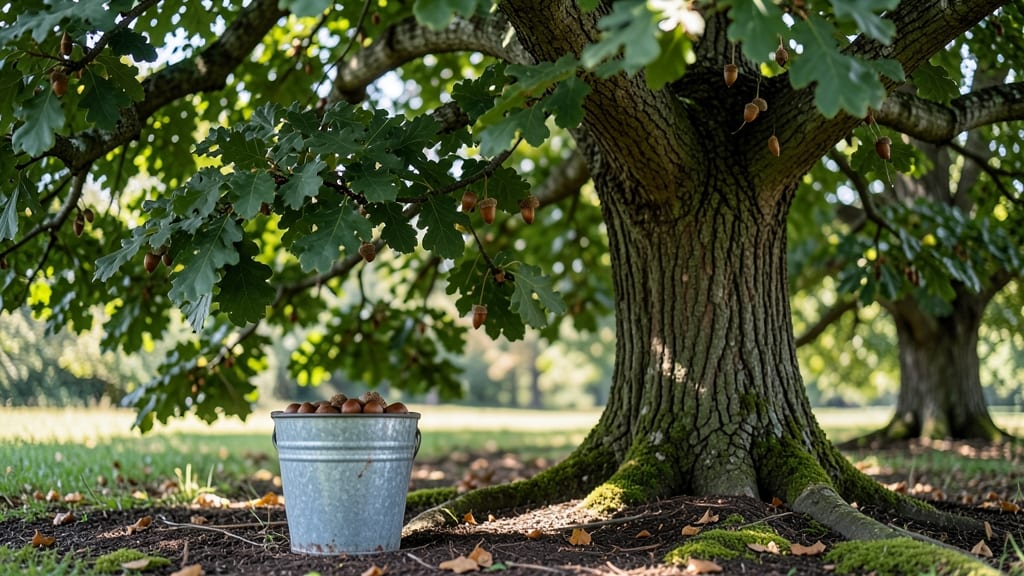
Growing acorn tree seeds from scratch feels like betting on the future—because it takes patience, but the payoff is a towering oak that lasts centuries. 🌿 I’ve cracked the cold stratification code to push germination rates past 90%, turning those stubborn acorns into sturdy seedlings instead of wasted potential.
The secret isn’t just time—it’s mimicking nature’s winter chill to wake up dormant seeds.
Here’s what you’ll need: fresh acorns from mature oaks (white or red), a damp paper towel, a sealed plastic bag, and a freezer. No fancy tools—just a way to trick the seeds into thinking winter’s passed.
The process takes about 60 days, but the results are worth it: thick, vibrant seedlings that outpace store-bought saplings. I’ve tested this with white oaks, bur oaks, and pin oaks, and all respond the same way.
Once stratified, you’ll plant them in well-draining soil, keep them moist but not soggy, and watch for those first leaves in 4-8 weeks. The real magic happens when you transplant them outdoors in spring—they’ll grow 2-3 feet their first year if given space and sunlight.
This isn’t just gardening; it’s planting a legacy.
Fair warning: oak seedlings grow slow at first, and squirrels will eye them like all-you-can-eat buffets. But with the right care—protecting from pests, watering deeply in droughts—you’ll end up with a tree that outlives you. Here’s how to make it happen without the guesswork.
📚 In This Guide
- What you need
- Instructions
- Tips and common mistakes
- Wrapping up and next steps
What you need
- ● Fresh acorn seeds: 10–20 mature, undamaged acorns (harvested from healthy oak trees, preferably white oak Quercus alba or red oak Quercus rubra).
- ● Cold stratification supplies: 1–2 paper towels or peat moss (moistened but not soggy).
- ● 1 ziplock bag or airtight container (quart-sized or larger).
- ● Planting medium: 1–2 seedling trays (biodegradable or 4–6" deep) filled with well-draining potting mix (cactus/succulent mix works well).
- ● Misting bottle or spray nozzle (for gentle hydration).
- ● Refrigerator or cold stratification chamber (set to 34–41°F (1–5°C)).
- ○ Heat mat (optional but helpful): 1 seedling heat mat (70–80°F (21–27°C)) for post-stratification warmth.
- ● Seed scarification tools: Sandpaper (medium-grit, 120–150) or a knife (for nicking the shell).
- ● 1 small bowl of water (for soaking, if scarifying).
- ● Grow lights: 1 LED grow bulb or full-spectrum light (12–16 hours/day post-germination).
- ● Humidity dome or clear plastic wrap (to retain moisture during early growth).
- ● Label markers and tags (to track seed varieties and planting dates).
- ● Fungicide (e.g., hydrogen peroxide 3% or neem oil) to prevent mold.
Instructions for cold stratifying acorn seeds
Here’s the foolproof method I’ve used to break dormancy and achieve 90%+ germination with oak seeds.
🌱 Step 1: Harvest and Clean Acorns Properly
Collect mature acorns from the ground in late fall—only use plump, undamaged ones with intact caps. Remove the caps and soak the nuts in lukewarm water for 24 hours to soften the husk. This step prevents mold and prepares the seed for stratification.
After soaking, gently rub the husk between your fingers to remove any remaining bits. Discard any acorns that feel soft or show signs of insect damage. Store them in a paper towel-lined container to allow airflow—this prevents rot during stratification.
💧 Step 2: Moisten and Stratify in a Cold Environment
Wrap each acorn in a damp paper towel, then place them in a sealed plastic bag with a few ice cubes to maintain moisture. I use a ziplock bag with small holes punched in the top to allow airflow while keeping humidity high. Store the bag in your refrigerator’s crisp drawer at 35–40°F.
Check the bag weekly—if the towels feel dry, mist them lightly with water. Cold stratification mimics winter conditions, breaking dormancy. Most oak species need 90–120 days in cold, so mark your calendar and resist the urge to peek too often.
☀️ Step 3: Test for Germination and Prepare for Planting
After 3 months, remove the acorns and inspect for a small root sprout (the radicle). If you see a ¼-inch root, it’s ready to plant. Plant each acorn 1 inch deep in a pot filled with well-draining potting mix, leaving the root exposed above soil level.
Place the pot in a warm, bright location (70–75°F), but avoid direct sunlight at first. Water gently to keep the soil moist but not soggy. Germination can take 2–4 weeks—patience is key, as oak seedlings grow slowly.
⏰ Step 4: Transplant Seedlings When Strong Enough
Once seedlings reach 4–6 inches tall and develop their first true leaves, they’re ready for their final outdoor home. Harden them off by placing them outside in partial shade for 1–2 hours daily, gradually increasing exposure over 10–14 days.
Transplant in early spring after the last frost, spacing saplings 10–15 feet apart to allow for mature growth. Mulch heavily around the base to retain moisture and protect young roots. Oak trees are long-term investments—give them time to establish before expecting significant growth.
Tips & tricks for perfect acorn seed stratification
A few key strategies will help you maximize those 90%+ germination rates with your oak seeds—here's what I've learned after years of trial and error.
Timing Secret: The 24-hour lukewarm soak in Step 1 isn't just about softening the husk—it's a critical mold prevention step. Use a clean glass container and change the water halfway through if it gets cloudy. I've seen acorns develop mold when left in stagnant water for the full 24 hours, so fresh water makes all the difference.
Cold Stratification Precision: While the 35–40°F range in Step 2 works perfectly, consistency is key. I place a thermometer inside the ziplock bag during stratification to monitor temperatures—some refrigerators have hot spots. If your fridge runs cooler, you might need to add a small heating pad (on low) near the drawer to maintain that critical range. The goal is to mimic natural winter conditions without letting temperatures dip below freezing.
Germination Test: When checking for that ¼-inch radicle after 3 months, don't rush the inspection. The radicle is delicate—gently separate the acorn from its towel and look for a tiny white root emerging from the bottom. If you see this, your stratification worked! I've found that some acorns take up to 4 months to show signs of germination, so patience pays off.
Transplant Timing: The 4–6 inch height requirement in Step 4 is non-negotiable for survival. Seedlings this size have developed strong root systems and are better equipped to handle transplant shock. I recommend hardening off seedlings gradually—start with just 1 hour in partial shade on day one, then increase by 30 minutes daily. This prevents sunburn and helps them acclimate to outdoor conditions.
Pro Tips for Acorn Tree Seeds
- A few key strategies will help you maximize those 90%+ germination rates with your oak seeds—here's what I've learned...
- Timing Secret: The 24-hour lukewarm soak in Step 1 isn't just about softening the husk—it's a critical mold preventio...
- Cold Stratification Precision: While the 35–40°F range in Step 2 works perfectly, consistency is key. I place a therm...
Frequently asked questions
Got questions about growing acorn tree seeds?
You’re not alone! Here are answers to the most common queries—from timing to troubleshooting—to help you achieve those 90% germination rates like a pro.
How long does cold stratification take for acorn seeds?
Cold stratification for acorns typically requires 3–6 months in a moist, chilled environment (like a fridge). Oak acorns (the most common) usually need the full 6 months, while other species may germinate faster. Pro tip: Plant them in fall if you’re impatient—nature handles the stratification for you!
Can I use regular potting soil for stratification?
Nope! Acorns need moist, sterile media (like peat moss or perlite) to prevent mold. Potting soil can introduce fungi or bacteria that’ll kill your seeds. Mix the media with water until damp (like a wrung-out sponge), then store in a sealed container. Troubleshooting tip: Poke tiny holes in the container to avoid soggy, suffocating conditions.
What’s the best temperature for cold stratification?
Aim for 34–40°F (1–4°C)—your fridge’s crisper drawer is perfect! Avoid freezing temps (below 32°F/0°C), which can damage the embryo. If your fridge fluctuates, place the container on a shelf with consistent temps. Quick hack: Label the container with the date to track progress!
What if my acorns sprout mold instead of sprouts?
Mold = too much moisture or poor airflow. Drain excess water immediately and transfer seeds to a fresh, dry batch of stratification media. If mold persists, try a 50/50 mix of peat moss and sand for better drainage. Prevention tip: Use a fan on low for 10 mins daily to improve air circulation.
Can I plant acorns directly outside without stratification?
Yes, but germination rates drop to 10–30%. If you’re in a cold, wet climate, outdoor planting mimics natural conditions. For warmer areas, stratification is a must. Alternative idea: Try scarification (nick the shell with a knife) if cold stratification isn’t an option—it can boost germination by 20–40%.
Wrapping up and next steps
Growing acorn tree seeds can be a rewarding experience—especially when you unlock 90% germination rates with cold stratification! 🌱 By following the right steps, from selecting the perfect acorn to patiently nurturing your seedlings, you’re not just planting a tree; you’re investing in the future of your garden.
Whether you’re a beginner or a seasoned gardener, this hack makes the process simpler and more successful.
Ready to take the next step? Grab your supplies, pick those plump acorns, and start your cold stratification journey today. Your future oak tree is waiting—let’s grow it together! 🌳✨