
Vegetables
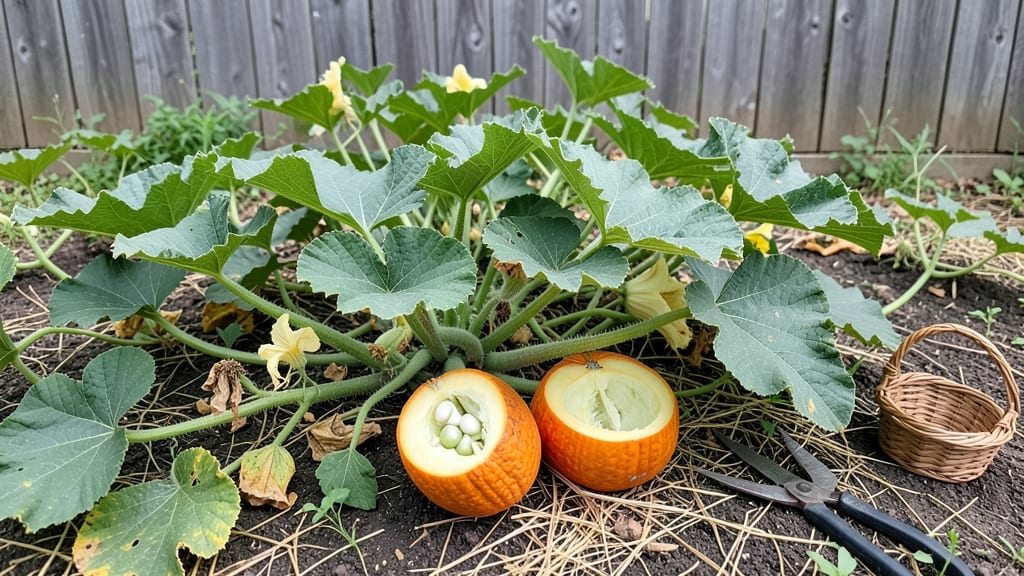
This green pigmentation happens because chlorophyll—normally broken down as seeds mature—lingers when the pumpkin isn’t fully ripe. 💫 Some heirloom varieties naturally retain green seeds even at peak harvest, while others develop green spots if picked too soon.
The difference isn’t just visual: green seeds often have a slightly grassier, less sweet flavor when roasted, though they’re perfectly edible. Think of it like harvesting avocados too early—they’ll stay green and firmer, just with a different taste profile.
If you’re growing pumpkins specifically for green seeds, look for varieties bred for decorative purposes, like Cinderella or Jack-Be-Little. These often produce seeds that stay green even when fully mature, giving them a unique look for carving displays or seed-saving projects.
For culinary use, roasting green seeds at 350°F for 15-20 minutes brings out their nutty undertones—just don’t expect the same sweetness as fully orange seeds.
💡 In This Article
- How Chlorophyll Affects Pumpkin Seed Color
- Best Pumpkin Varieties for Green Seeds
How chlorophyll affects pumpkin seed color
Here's what's actually happening inside those pumpkin seeds: chlorophyll, the green pigment responsible for photosynthesis in plants, normally breaks down as seeds mature. In fully ripe pumpkins, this process completes, revealing the orange carotenoids that give seeds their classic color.
But when chlorophyll lingers—due to premature harvesting or genetic factors—it creates that striking green appearance. This occurs because the seed's metabolic shift from photosynthesis to storage isn't fully complete. 🔥
The key factor is light exposure during development. Seeds that develop in partial shade or on the pumpkin's underside receive less light, slowing chlorophyll breakdown. For comparison, cucumber seeds (another cucurbit) follow the same pattern—green seeds appear when harvested early, while fully mature cucumbers produce white seeds.
The difference lies in how quickly each species converts chlorophyll to other pigments during maturation.
What most people don't realize is that this green pigmentation doesn't just affect color—it can subtly alter flavor. Chlorophyll contains magnesium, which contributes to a slightly bitter, grassy note when roasted.
That's why green seeds often have a more complex profile than their orange counterparts, similar to how young spinach leaves taste more bitter than mature ones. The science behind this involves the seed's natural defense mechanisms: chlorophyll helps protect developing seeds from photooxidative damage when they're not yet fully hardened.
Temperature also plays a role in this process. Pumpkins grown in cooler climates tend to produce seeds with more persistent chlorophyll because the slower growth rate gives chlorophyll more time to remain active.
For example, a Cinderella pumpkin grown at 60°F nighttime temperatures will show more green seeds than the same variety grown at 75°F. This temperature sensitivity explains why green seeds appear more frequently in northern climates or during cooler growing seasons.
Interestingly, this chlorophyll persistence isn't unique to pumpkins. Other cucurbit seeds like squash and gourds exhibit the same behavior, though the timing varies by species. The biochemical pathway involves enzymes called chlorophyllases that break down chlorophyll into colorless byproducts.
When these enzymes work slowly—due to genetic programming or environmental factors—the green pigment remains visible. This creates the visual spectrum we see in seed color variations.
For those curious about practical applications, this chlorophyll persistence offers a natural way to identify seed maturity. Farmers and gardeners often use seed color as a quick maturity indicator—fully orange seeds mean the pumpkin is ready for harvest, while green seeds suggest more time is needed.
The exception? Varieties specifically bred for decorative purposes, where green seeds are a desirable trait rather than an indicator of immaturity. ✨