
Vegetables
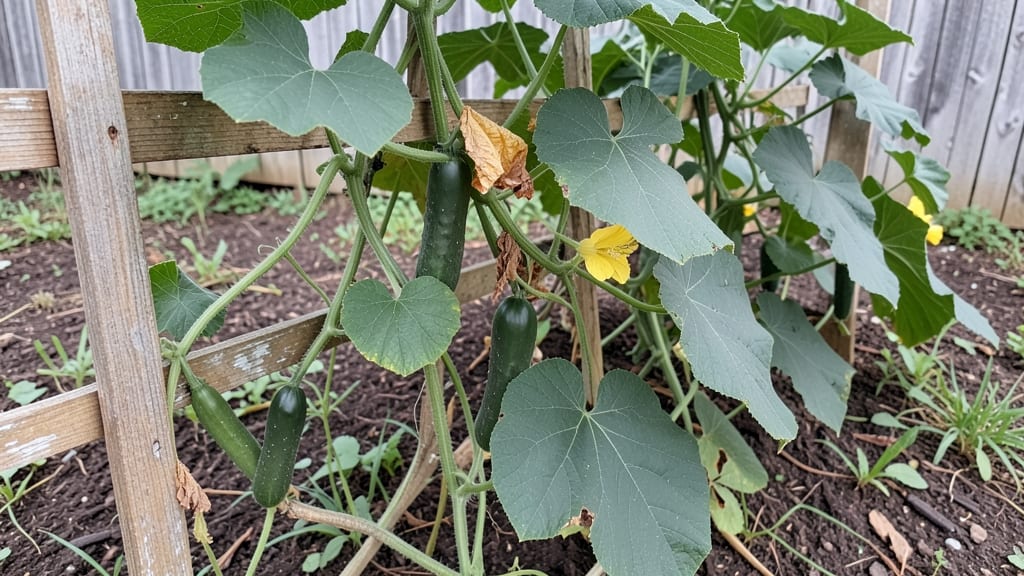
Growing Corinto cucumber seeds delivers crisp, sweet cucumbers that taste like summer no matter the season. 🌱 I’ve grown dozens of varieties, but Corintos stand out for their reliable production and buttery texture—perfect for slicing, pickling, or snacking straight off the vine.
The key? Starting seeds early and giving them the right support from day one.
These cucumbers thrive in warm soil (60°F or above) and need full sun, but they’re surprisingly adaptable to containers or small spaces. I’ve grown them in 5-gallon pots on my balcony with just a simple trellis, and they produced just as well as in-ground plants.
The secret? Consistent moisture and a little extra nitrogen when flowers appear—no fancy tricks required.
By midseason, you’ll be harvesting 10-15 cucumbers per plant weekly, each with that signature crunchy snap and mild, sweet flavor. The plants climb naturally, so a 4-foot trellis keeps them off the ground, reduces disease risk, and makes harvesting a breeze.
Even in cooler climates, a row cover extends the growing window for months.
Here’s the best part: once you master the basics, Corintos practically grow themselves. They resist common cucumber diseases better than most varieties, and the seeds save easily for next year. Ready to turn your garden—or even a sunny windowsill—into a cucumber factory?
📚 In This Guide
- What you need
- Instructions
- Tips and common mistakes
- Wrapping up and next steps
What you need
- ● Corinto cucumber seeds – 5–10 seeds (or a small packet for multiple plants). Look for heirloom or organic seeds for best results!
- ● Containers or garden beds – 5-gallon pots (for container gardening) or a sunny, well-draining garden spot (6+ inches deep).
- ● Potting mix – Lightweight, well-draining soil (e.g., a mix of peat moss, perlite, and compost or a pre-mixed vegetable garden soil).
- ● Fertilizer – Balanced organic fertilizer (e.g., 10-10-10 or compost tea) to boost growth.
- ● Watering can or hose – With a gentle spray nozzle to avoid disturbing seeds.
- ● Trellis or stakes – 4–6 ft tall (Corinto cucumbers are vining!). Use bamboo stakes, wire trellises, or sturdy mesh.
- ○ Mulch (optional but recommended) – Straw or shredded leaves to retain moisture and suppress weeds.
- ● Gloves – To keep hands clean while handling soil and seeds.
- ● Trowel or small shovel – For planting and transplanting.
- ● Pruning shears – To trim vines and encourage bushier growth.
- ● Sunlight access – 6–8 hours of direct sunlight daily (Corinto cucumbers are sun-lovers!).
- ● Temperature control (for indoor starts) – Warmth (70–90°F) speeds up germination. A seedling heat mat helps if needed.
- ● Grow lights – For indoor starts or low-light conditions.
- ● Drip irrigation system – Automates watering and keeps roots happy.
- ● Companion plants – Basil, marigolds, or radishes deter pests and improve flavor!
- ● Harvest basket or scissors – For easy, clean cuts when picking cucumbers.
Step-by-Step instructions for growing Corinto cucumber seeds
Here's how to coax these sweet, burpless cucumbers into production with minimal fuss.
🌱 Step 1: Start Seeds Indoors 3-4 Weeks Before Last Frost
Fill 2-inch deep seedling trays with moistened seed-starting mix—Corinto seeds germinate best at 70-80°F, so I place them on a seedling heat mat for faster sprouting. Plant 2 seeds per cell at a depth of ½ inch, pressing gently but not compacting the soil.
Cover the tray with a humidity dome or plastic wrap to retain moisture, and place under grow lights 2-3 inches above the tray. You'll see sprouts in 5-7 days—watch for the first true leaves (not the initial seed leaves) before thinning to one seedling per cell. This prevents overcrowding and ensures stronger plants.
☀️ Step 2: Harden Off and Transplant After Frost
Two weeks before your last frost date, begin hardening off seedlings by placing them outside in a sheltered spot for 1-2 hours daily, gradually increasing exposure. Corinto cucumbers thrive in full sun (6-8 hours daily), so choose a warm, sunny location—even a south-facing window works for container growing.
Transplant after all danger of frost has passed, spacing plants 12-18 inches apart in rows 3-4 feet apart. Bury the stem slightly deeper than it was in the tray—this encourages root growth and stability. Water deeply at transplanting to settle the soil and reduce shock.
💧 Step 3: Water Deeply and Maintain Consistent Moisture
Corinto cucumbers need 1-1.5 inches of water weekly, delivered at the base to avoid wetting leaves and preventing disease. I water in the morning so foliage dries quickly—damp leaves invite powdery mildew, which can devastate a crop. Use a soaker hose or drip irrigation for even moisture without overhead spray.
Mulch with 2-3 inches of straw or shredded leaves to retain soil moisture and suppress weeds. You'll know your watering is right when the soil feels damp 1-2 inches down but not soggy. Overwatering leads to weak stems and blossom-end rot, while underwatering causes bitter fruit.
✂️ Step 4: Prune and Train for Maximum Yield
Pinch off the first flowers that appear—this redirects energy to root and vine development. Once vines reach 6-8 inches, let them grow and train them along a trellis or cage. Corinto cucumbers produce both male and female flowers; female flowers (with tiny cucumbers at the base) are the ones to harvest.
Prune regularly to improve airflow and reduce disease risk. Remove any yellow or diseased leaves immediately, and trim back overgrown vines to focus energy on fruit production. You'll see the first cucumbers in 50-60 days, and with consistent care, you'll enjoy a steady harvest for weeks.
🌿 Step 5: Harvest and Encourage Continuous Production
Pick cucumbers when they're 6-8 inches long for the best flavor and texture—waiting too long makes them seedy and bitter. Use pruning shears or a sharp knife to avoid damaging the vine. Harvest in the morning when cucumbers are firm and cool, and store them in the fridge for up to 5 days.
After harvesting, check the plant for new female flowers and remove any overripe or yellowing fruit immediately. This encourages the plant to produce more cucumbers instead of focusing on seed development. With proper care, a single Corinto plant can yield 10-15 cucumbers per season, making it one of the most productive varieties for home gardens.
Tips & tricks for perfect Corinto cucumber growth
These game-changing strategies will help you bypass common pitfalls and maximize your Corinto cucumber harvest all year round.
Germination Boost: The 70-80°F temperature range in Step 1 is non-negotiable for Corinto seeds—anything cooler delays sprouting by days. I've found that placing the seedling tray on a seedling heat mat with a built-in thermometer ensures consistent warmth. If your home stays below 70°F, consider using a heat lamp with a timer set to 12 hours daily. The first true leaves (not the initial seed leaves) are your signal to thin to one seedling per cell—this prevents competition and gives you stronger plants.
Hardening Off Strategy: When you begin the 1-2 hour daily hardening process in Step 2, start with the sheltered spot receiving morning sun only. Gradually increase exposure by 30 minutes each day, moving to afternoon sun only after 5 days. This gradual transition prevents shock and helps seedlings develop thicker cell walls. I've seen seedlings that weren't properly hardened off wilt dramatically when transplanted—don't rush this step!
Watering Wisdom: The 1-1.5 inches weekly water requirement in Step 3 is your target, but timing matters just as much. Always water at soil level using a soaker hose to deliver moisture directly to the roots. I've noticed that morning watering (before 9 AM) dramatically reduces powdery mildew risk because foliage dries completely by evening. The 2-3 inches of mulch acts as a moisture reservoir—it can reduce your watering needs by up to 30% while keeping soil temperatures stable.
Pruning and Training: When your vines reach 6-8 inches in Step 4, it's time to install your trellis or cage. I recommend using a sturdy 5-foot tall trellis that can support 10-15 pounds of cucumbers. The key to maximum yield is removing all male flowers (they have no cucumbers at the base) and only keeping female flowers. You'll know you're doing it right when your plant focuses all its energy on fruit production rather than seed development—this is why you'll see cucumbers in just 50-60 days.
Pro Tips for Corinto Cucumber Seeds
- These game-changing strategies will help you bypass common pitfalls and maximize your Corinto cucumber harvest all year round.
- Germination Boost: The 70-80°F temperature range in Step 1 is non-negotiable for Corinto seeds—anything cooler delays sprouting by days.
- Hardening Off Strategy: When you begin the 1-2 hour daily hardening process in Step 2, start with the sheltered spot receiving morning sun only.
Frequently asked questions
Got questions about growing Corinto cucumber seeds? You’re not alone!
Here are some of the most common queries—and straightforward answers—to help you crush your harvest.
How long does it take for Corinto cucumbers to grow from seed?
From seed to harvest, you’re looking at 55–65 days in warm conditions (70–85°F). Start seeds indoors 3–4 weeks before your last frost, then transplant seedlings after soil warms. Pro tip: Use a heat mat if your climate is chilly—Corinto cucumbers love warmth!
Can I grow Corinto cucumbers in containers, or do they need a garden bed?
Corinto cucumbers thrive in containers as long as the pot is at least 12–18 inches deep and wide. Use a trellis or cage to save space (they’re vining types). Just ensure the container has drainage holes and you fertilize regularly. Bonus: Containers warm up faster in spring, giving you a head start!
Why aren’t my Corinto cucumber plants producing fruit?
No fruit? Check these fixes:
- Pollination: Hand-pollinate flowers with a soft brush if bees are scarce.
- Temperature: Corinto cucumbers need consistent warmth (below 60°F = slow growth). Use row covers if nights are cool.
- Nutrients: Yellow leaves? Feed with a balanced fertilizer (10-10-10) every 2–3 weeks.
- Water: Drought stress = dropped flowers. Keep soil evenly moist (not soggy).
Are Corinto cucumbers disease-resistant? What should I watch for?
Corinto cucumbers are moderately resistant to powdery mildew and cucumber mosaic virus, but they’re not bulletproof. Watch for:
- Powdery mildew: White dust on leaves? Spray with neem oil or baking soda mix (1 tsp baking soda + 1 quart water + drop of dish soap).
- Downy mildew: Yellow spots on undersides? Improve airflow and avoid overhead watering.
- Pests: Cucumber beetles? Handpick them or use row covers early in the season.
How do I store homegrown Corinto cucumbers?
Corinto cucumbers are best eaten fresh, but you can store them for 1–2 weeks in the fridge (whole, unwashed). For long-term storage, pickle them! Whole cucumbers keep for 2–3 days at room temp—but they’re so delicious, you’ll eat them faster than that.
Wrapping up and next steps
Growing Corinto cucumber seeds is your ticket to a bountiful, low-maintenance harvest—no green thumb required! 🌱 These versatile seeds thrive in containers or gardens, delivering crisp, productive cucumbers all year long.
Whether you’re a beginner or a seasoned gardener, their resilience and speed make them a must-try for fresh, homegrown goodness.
Ready to dive in? Start by grabbing your Corinto seeds, picking your favorite spot, and following the simple steps above. Before you know it, you’ll be savoring farm-fresh cucumbers straight from your own backyard—zero fuss, all reward! 🥒✨