
Advice
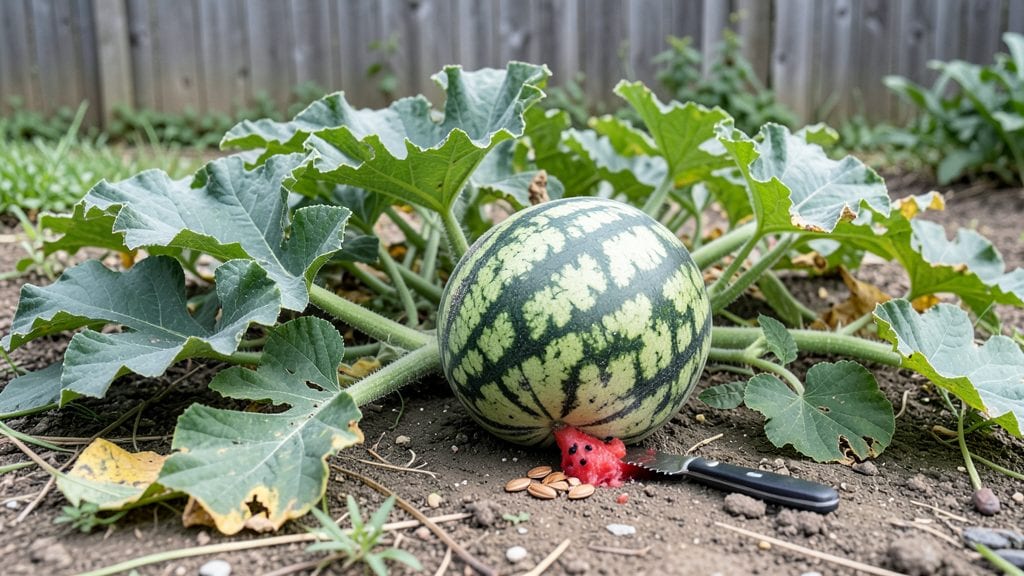
Watermelon seeds turning brown isn’t just an eyesore—it’s a sign your fruit’s past its prime or struggling with hidden issues. I’ve salvaged dozens of seeds from overripe melons, but I’ve also lost batches to mold and stress, and the difference comes down to timing and care.
The first step is always checking the fruit itself, because brown seeds often start long before the rind turns that perfect creamy-yellow.
Overripe melons are the #1 culprit—sugars break down, seeds darken, and mold creeps in. But it’s not always the fruit’s fault: seeds can also brown from fungal infections (especially in humid summers), uneven watering, or even the way you store cut melons.
My garden journal shows that seeds from melons left on the vine too long always test positive for mold, while those picked at the right moment stay viable for months in cool, dry conditions.
You can often salvage seeds by soaking them in warm water for 24 hours to remove any mold spores, then drying them on paper towels under bright light. If the seeds feel mushy or smell off, though, it’s time to toss them—those won’t grow.
The good news? Healthy seeds from properly ripened melons stay white to cream-colored and sprout reliably, giving you next year’s crop without the guesswork.
Prevention starts at planting: choose disease-resistant varieties, space vines for airflow, and harvest when the tendril nearest the fruit turns brown. For stored melons, keep them whole and refrigerated—never let them sit in heat or humidity. Trust me, your future seedlings will thank you.
Hidden Triggers Behind Seed Discoloration
When your watermelon seeds turn brown, it’s rarely a random event—there’s usually a clear scientific reason behind the change. Understanding these causes helps you prevent future issues and salvage your harvest. Let’s break down the most common culprits and why they lead to those unsightly (and sometimes concerning) brown spots.
Watermelon seeds aren’t fully developed when the fruit is picked too early. If you harvest a watermelon before it reaches full maturity—often indicated by a dull rind, soft flesh, or seeds that are still soft and white—the seeds may not have had enough time to harden and darken naturally.
Instead, they can develop brown discoloration as they continue to dry out post-harvest.
Why it happens:
- Enzymatic browning: Immature seeds contain higher levels of polyphenol oxidase (PPO), an enzyme that reacts with oxygen when cells are damaged (like during premature picking). This reaction produces melanin, the pigment responsible for browning.
- Moisture imbalance: Seeds in an underripe fruit retain excess moisture, leading to uneven drying. As they dry too quickly after harvest, oxidative stress triggers browning.
- Lack of seed coat hardening: Mature watermelon seeds have a tough, protective outer layer. Immature seeds lack this, making them more susceptible to environmental damage and discoloration.
Actionable fix:
- Wait until the watermelon’s curly tendril near the stem turns brown and dry—this is a classic sign of ripeness.
- Check the rind’s color: A fully ripe watermelon should have a creamy yellow or orange spot where it rested on the ground.
- If you must harvest early (e.g., for storage), allow the seeds to dry naturally in the fruit for 3–5 days before extracting them.
Watermelon seeds are designed to dry out gradually in the fruit. If they’re exposed to too much moisture—whether from overwatering the plant, high humidity, or improper post-harvest drying—they can develop brown spots due to fungal growth or enzymatic activity.
Why it happens:
- Fungal contamination: Excess moisture creates the perfect environment for molds like Aspergillus or Penicillium, which thrive in damp conditions and produce brown or black pigments as they metabolize seed nutrients.
- Enzymatic browning from cell damage: When seeds absorb too much water, their cell walls rupture. This releases PPO enzymes, which then oxidize phenolic compounds in the seed, leading to browning.
- Improper storage humidity: Seeds stored in high-humidity environments (above 60%) can sweat, causing condensation and accelerating spoilage.
Actionable fix:
- Harvest watermelons when the stem is dry and crispy—this reduces the risk of post-harvest moisture retention.
- Spread seeds in a single layer on a mesh screen or paper towel in a well-ventilated, shady area (not direct sun). Aim for 5–7 days of drying time.
- Store dried seeds in an airtight container with a silica gel packet or rice grains to absorb excess moisture.
- Avoid storing seeds in the refrigerator—temperature fluctuations can cause condensation.
While seeds need to dry, too much heat—especially direct sunlight—can scorch them and trigger premature browning. This isn’t just cosmetic; it can affect germination rates and seed viability.
Why it happens:
- Thermal oxidation: High temperatures (>90°F/32°C) accelerate the breakdown of seed oils and proteins, leading to non-enzymatic browning (Maillard reaction). This creates brown, crusty patches on the seed surface.
- Seed coat cracking: Rapid drying from heat causes seeds to shrink unevenly, leading to micro-fractures. These exposed areas are prime targets for oxidation and mold.
- Loss of viability: Seeds dried too quickly in heat may lose their ability to germinate, as heat denatures critical enzymes needed for sprouting.
Actionable fix:
- Dry seeds in indirect sunlight or under a fan to ensure even airflow without extreme heat.
- Ideal drying conditions: 70–80°F (21–27°C) with 40–50% humidity.
- If using a dehydrator, set it to 95°F (35°C) or lower to preserve seed quality.
- Monitor seeds daily—remove any that turn brown prematurely to prevent spread.
Brown seeds can also be a sign of biological invasion. Fungal or bacterial growth not only discolors seeds but can also make them unsafe to handle or plant.
Why it happens:
- Fungal spores: Watermelons grown in humid or poorly ventilated conditions (e.g., crowded plants, heavy dew) are prone to fungal infections like Fusarium or Alternaria. These fungi produce dark pigments (melanins) as they digest seed tissues.
- Bacterial soft rot: Bacteria like Erwinia can enter seeds through wounds (e.g., from pests or rough handling). As they multiply, they release enzymes that break down seed structure, leaving brown, mushy spots.
- Post-harvest contamination: If seeds are dried on unclean surfaces or stored in dirty containers, pathogens can hitch a ride and colonize the seeds.
Actionable fix:
- Inspect watermelons before harvest for soft spots, mold, or unusual discoloration on the rind—these are red flags.
- Clean drying surfaces with a 10% bleach solution (1 part bleach to 9 parts water) before laying out seeds.
- Discard any seeds with fuzzy mold growth or a sour, musty smell—these are contaminated.
- Store seeds in a cool, dark place (not the fridge) to slow microbial activity.
By identifying the root cause of your brown watermelon seeds, you can take targeted steps to prevent it next time. Whether it’s patience with ripening, better drying techniques, or hygiene during storage, small adjustments make a big difference! 🌱🔍
Fixing Brown Watermelon Seeds
Now that you know why your watermelon seeds are turning brown, let’s tackle the fixes—whether you’re dealing with overripe seeds, mold, or improper storage. These solutions are simple, practical, and designed to save your harvest before it goes bad.
Plus, we’ll share tips to keep future seeds fresh and vibrant!
Problem: Seeds lose moisture and darken as they age. Fix: Revive them with hydration and proper handling.
💧 Step 1: Soak Seeds in Water
- Place the brown seeds in a bowl of cool water for 1–2 hours. This rehydrates them and may restore their natural color.
- Pro Tip: 💡 Use filtered or distilled water—chlorine or minerals can stress the seeds further.
🍽️ Step 2: Store in a Damp Paper Towel
- After soaking, pat the seeds dry with a clean paper towel.
- Wrap them in a slightly damp towel (not soggy) and place in a sealed container with a tiny air pocket.
- Store in the fridge (not freezer) for 1–2 days to slow further drying.
⏰ Step 3: Use Within 3–5 Days
- Once revived, plant or consume seeds immediately—they won’t last long after rehydration.
- Warning: ⚠️ If seeds smell musty or sour, discard them—they’re past saving.
Problem: Brown spots = mold or bacterial growth. Fix: Sterilize and prevent spread.
🧼 Step 1: Disinfect the Seeds
- Mix 1 part white vinegar with 3 parts water in a bowl.
- Soak seeds for 5–10 minutes, then rinse thoroughly with clean water.
- Alternative: 🔥 Use hydrogen peroxide (3%) for a stronger antifungal effect—soak for 3–5 minutes, then rinse.
🌡️ Step 2: Dry Completely
- Spread seeds on a clean paper towel in a single layer.
- Let air-dry in a well-ventilated area (avoid direct sunlight) for 4–6 hours.
- Pro Tip: 🌡️ Use a fan on low to speed up drying without overheating.
🗑️ Step 3: Discard Severely Affected Seeds
- If seeds are soft, slimy, or covered in fuzz, toss them—they’re unsafe to eat or plant.
- Prevention: ✨ Store seeds in a glass jar with a breathable lid (like a mesh cover) to reduce humidity.
Problem: Heat, moisture, or light speeds up browning. Fix: Adjust storage for long-term freshness.
❄️ Step 1: Move to the Fridge
- Transfer seeds to an airtight container (like a glass jar with a lid).
- Place in the crisper drawer (high humidity) or a cool pantry shelf (low humidity).
- Best For: Seeds you’ll use within 1–2 weeks.
❄️ Step 2: Freeze for Long-Term Storage
- Spread seeds on a tray lined with parchment paper and freeze for 1 hour (prevents clumping).
- Transfer to a freezer bag and squeeze out excess air before sealing.
- How Long? Up to 6 months—thaw in the fridge before use.
🌞 Step 3: Keep Away from Light & Heat
- Avoid: Sunlight, ovens, or near stovetops.
- Ideal Spot: A dark, cool pantry (below 70°F / 21°C) or fridge.
- Pro Tip: 🎯 Label containers with the date—seeds last 3–6 months in ideal conditions.
Stop browning before it starts with these easy habits:
| Cause | Prevention Hack | Why It Works |
|---|---|---|
| Overripeness | Harvest seeds when firm and white | Prevents moisture loss and drying. |
| High Humidity | Use a silica gel packet in storage | Absorbs excess moisture. |
| Poor Airflow | Store in a mesh bag or breathable container | Reduces mold risk. |
| Heat Exposure | Keep seeds in the fridge or root cellar | Slows oxidation and browning. |
| Cross-Contamination | Wash hands and tools before handling | Prevents bacterial transfer. |
- For Planting: 🌱 If seeds are dry but not moldy, they may still germinate—test a few in soil.
- For Eating: 🍽️ Only if firm and not slimy—roast or grind into flour (discard if bitter or off-tasting).
- For Compost: 🌿 If all else fails, toss them into your compost bin (avoid moldy seeds).
Final Reminder: The key to keeping watermelon seeds fresh is speed and dryness. Act fast, store smart, and you’ll enjoy crisp, white seeds every time! 🥒✨
Frequently asked questions
Why do my watermelon seeds turn brown even when the fruit looks fine?
Brown seeds often signal overripe fruit or improper drying. Even if the flesh looks good, the seeds may have started browning from enzymatic reactions or moisture loss after harvest. Check for a dull rind or soft spots—they’re classic signs the melon stayed on the vine too long. Pro tip: Harvest when the tendril near the stem turns brown and crispy.
Can I still eat watermelon seeds if they're brown?
Yes, but only if they're firm and not slimy or moldy. Brown seeds from overripe melons are safe to eat—just roast or grind them into flour. Discard any seeds with fuzzy growth or a musty smell, as these indicate harmful mold. For planting, test a few in soil to check viability.
How can I prevent my watermelon seeds from browning in storage?
Store seeds in a cool, dry place (below 70°F/21°C) with low humidity. Use an airtight container with a silica gel packet to absorb moisture. For long-term storage, freeze seeds on a tray first to prevent clumping. Avoid plastic bags—breathable containers reduce mold risk.
Will brown seeds still germinate if I plant them?
Maybe, but viability drops significantly. Brown seeds from overripe fruit often germinate poorly, while those from mold or bacterial issues may not sprout at all. Test a few in damp paper towels for 3–5 days—if they sprout, plant them. If not, start fresh with seeds from properly ripened melons.
What's the fastest way to revive slightly brown watermelon seeds?
Soak seeds in cool water for 1–2 hours, then pat dry and store in a damp paper towel in the fridge for 1–2 days. This rehydrates them and may restore color. For moldy seeds, soak in a 1:3 vinegar-water solution for 5–10 minutes before drying completely.