Pests
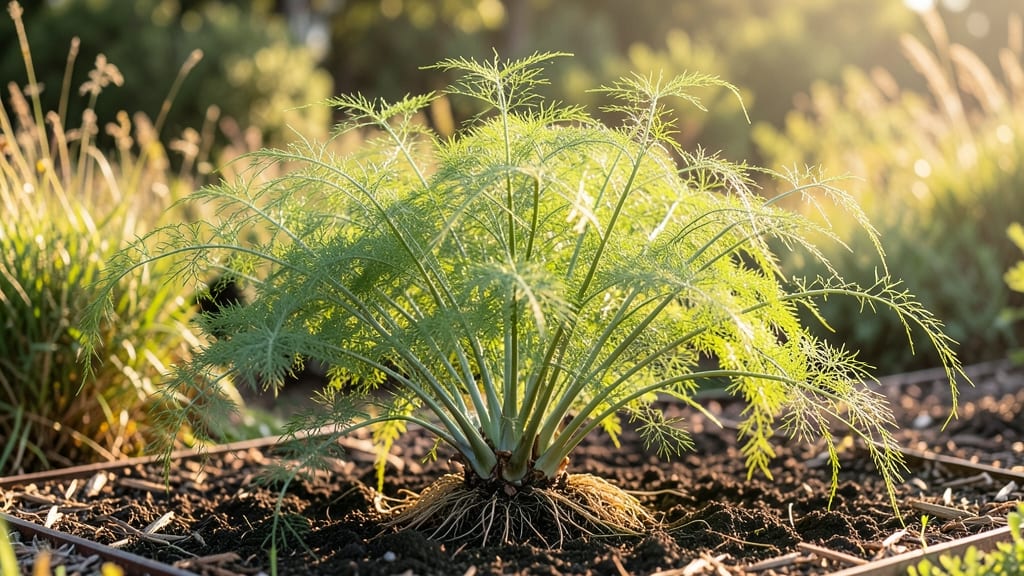
Asparagus seeding out ruins your whole harvest before it starts. I’ve watched entire beds of asparagus ferns turn into a tangled mess of weeds and volunteer plants—until I learned how to control it from the ground up.
The key isn’t just pulling sprouts; it’s preventing them in the first place with the right timing, spacing, and soil prep.
Most gardeners fail because they treat asparagus like other annuals—planting too close or ignoring the first two years when roots establish. My 3-step method starts with deep soil prep (6+ inches of loose, fertile dirt) and proper seed spacing (12–18 inches apart).
Plant seeds just ½ inch deep in early spring, then thin ruthlessly when they’re 4–6 inches tall—this stops overcrowding before it begins.
By summer, you’ll have a clean, weed-free bed with strong crowns ready to produce spears in 2–3 years. The secret? Mulching heavily after thinning to block light from encouraging new sprouts.
It’s not just about saving plants—it’s about turning a chaotic bed into a high-yielding asparagus patch that lasts decades.
Works for both home gardens and larger plots, and the same rules apply whether you’re growing from seed or transplanting crowns. Let’s get your bed under control before next season’s chaos begins.
Root Causes Of Unwanted Spread
When your asparagus plants start seeding out uncontrollably, it’s usually a sign that nature—or human error—is taking over. Understanding the why behind this behavior is the first step to regaining control. Below, we break down the most common triggers, from biological quirks to gardening oversights.
Asparagus is a perennial plant with a built-in survival strategy: it produces seeds to ensure the next generation. While this is normal, uncontrolled seeding happens when plants sense ideal conditions—like warmth, moisture, and sunlight—and go into overdrive. Here’s why it spirals:
- Fertile Soil + Warmth = Seed Bomb 💥
Asparagus thrives in well-draining, nutrient-rich soil. When your garden provides too much of both, plants redirect energy from crown growth to seed production. Think of it like a buffet: if the food is endless, the plant says, “Why not make backup copies?”
- Lack of Harvest Pressure Asparagus plants only produce spears for the first 2–3 years (the “juvenile phase”). Once mature, they shift focus to seeds if you don’t harvest spears aggressively. Skipping this step sends a signal: “No one’s eating me—better reproduce!”
- Stress-Induced Seed Drop Drought, poor soil, or pest damage can trigger premature seeding as a last-ditch survival tactic. Instead of waiting for ideal conditions, the plant dumps seeds early to ensure genetic continuity.
- Lack of Harvest Pressure Asparagus plants only produce spears for the first 2–3 years (the “juvenile phase”). Once mature, they shift focus to seeds if you don’t harvest spears aggressively. Skipping this step sends a signal: “No one’s eating me—better reproduce!”
When asparagus plants feel threatened, their survival instincts kick in—sometimes literally. Pests and pathogens can force early seeding by damaging foliage or roots, which disrupts the plant’s energy balance.
| Pest/Disease | How It Triggers Seeding | Signs to Watch For |
|---|---|---|
| Asparagus Beetles 🐞 | These insects chew on spears and foliage, starving the plant. As a defense, asparagus accelerates seed production to offset lost growth. | Saw-toothed leaf edges, black/purple beetles, sticky honeydew. |
| Rust Fungus (Puccinia) 🍄 | Fungal infections stress the plant, causing it to prioritize seeds over spears. Rust weakens photosynthesis, so the plant reproduces defensively. | Orange pustules on undersides of fronds, yellowing leaves. |
| Root Rot (Phytophthora) 💀 | Waterlogged or poorly drained soil leads to root decay. The plant abandons spear growth to focus on seed dispersal before collapsing. | Wilting, mushy crowns, foul-smelling soil. |
Asparagus is sensitive to its surroundings, and environmental shifts can push it into seeding mode. These factors are often overlooked but critical:
- Too Much Sun or Heat 🔥 In hot climates (Zones 8–10), asparagus may bolt to seed as a way to escape heat stress. The plant perceives extreme conditions as a threat to survival, so it reproduces early to ensure offspring can handle the climate.
- Inconsistent Watering 💧
Drought followed by sudden watering (or vice versa) confuses the plant. Asparagus detects instability and shifts resources to seed production, assuming the worst-case scenario: “If I can’t grow spears reliably, I’ll make seeds instead.”
- Poor Soil Drainage 🚫💦 Waterlogged soil suffocates roots, triggering a seed-saving mode. The plant prioritizes above-ground reproduction because it can’t rely on stable root growth.
- Competition from Weeds 🌿 Weeds steal nutrients and sunlight, forcing asparagus to compete for survival. The plant’s response? “Fine, if I can’t grow spears, I’ll at least leave seeds.” This is why thick weed layers correlate with explosive seeding.
Sometimes, the problem isn’t nature—it’s you. Common gardening errors can accidentally encourage seeding:
- Skipping Crown Protection 🛡️ Asparagus crowns (the thick, woody base) need mulch or soil cover to stay insulated. If exposed to cold or heat, the plant goes into survival mode and seeds prematurely.
- Over-Fertilizing with Nitrogen 💥 Too much nitrogen (especially in synthetic fertilizers) boosts foliage but starves roots. The plant, sensing an imbalance, shifts to seed production to ensure genetic survival.
- Ignoring Dead Fronds ❌ Cutting back asparagus fronds after they yellow (not before) is key. If you leave old fronds standing, they continue photosynthesizing—and the plant interprets this as a signal to keep producing seeds instead of resting.
- Planting Too Close Together 📏 Crowded asparagus plants compete for space, leading to stress. The weakest plants seed out as a last resort to spread their genes elsewhere.
Quick Fixes for Unruly Asparagus Spread
When your asparagus crowns start seeding out—sending up wild, unwanted shoots far beyond your intended bed—it’s time to act fast. The good news? Most solutions are simple, garden-friendly, and require minimal tools.
Below, we’ll map the most common causes to practical fixes, plus prevention tips to keep your asparagus in check for years to come. 🌱✂️
If your asparagus crowns are packed too tightly, they’ll compete for nutrients and bolt (send up seed stalks) to spread. Solution:
- 🔪 Cut back seed stalks at the base as soon as they appear. Use clean shears or pruners to avoid damaging the crown.
- 🌱 Divide overcrowded crowns every 3–4 years in early spring or fall. Dig up the crown, separate the ferns into smaller clumps (each with 2–3 healthy buds), and replant them 12–18 inches apart.
- 🚫 Mulch heavily (4–6 inches of straw or wood chips) to suppress new shoots and smother weeds that encourage seeding.
💡 Pro Tip: If dividing feels overwhelming, try the "selective removal" method—pull up the most aggressive seeders first and compost them far from your garden.
Asparagus that’s hungry or stressed from poor soil will prioritize reproduction over growth. Solution:
- 📊 Test your soil (pH 6.5–7.5 is ideal). Amend with compost or a balanced fertilizer (10-10-10) in early spring.
- 🥗 Avoid high-nitrogen fertilizers after the first year—too much greenery = more seed stalks. Switch to a low-nitrogen, high-phosphorus formula (like 5-10-10) to encourage root growth.
- 💧 Water deeply but infrequently (1–1.5 inches per week). Shallow watering stresses plants, triggering seeding.
✨ Prevention: Plant asparagus in loose, well-draining soil with plenty of organic matter to reduce stress from the start.
If aphids, asparagus beetles, or fungal diseases (like rust) are attacking your plants, they’ll seed out as a survival tactic. Solution:
| Problem | Fix |
|---|---|
| Asparagus beetles or aphids | Spray with neem oil or insecticidal soap. Handpick eggs/larvae from spears in early morning. 🐜 |
| Fungal diseases (rust, crown rot) | Remove infected fronds immediately. Apply copper fungicide or a baking soda spray (1 tbsp baking soda + 1 quart water + a drop of dish soap). |
| Voles or rodents | Use hardware cloth (1/4-inch mesh) around the bed. Avoid poison—it can harm beneficial insects. |
🔥 Quick Action: If you see yellowing fronds or chewed spears, treat immediately—delaying invites more seeding.
Young asparagus plants (under 3 years old) or those planted too late in the season may focus on seeding instead of establishing roots. Solution:
- 🌱 Wait it out: Asparagus crowns mature over 3–4 years. Avoid harvesting spears in the first year—let the plant build energy.
- 📅 Time your planting: Plant crowns in early spring (as soon as soil is workable) for optimal root growth before winter.
- 🚫 Resist the urge to harvest early—even small spears can weaken the plant and trigger seeding.
🎯 Long-Term Tip: If you’re starting fresh, choose disease-resistant varieties like ‘Purple Passion’ or ‘Jersey Knight’ to reduce stress-related seeding.
Most asparagus seeding issues are preventable with consistent care. The key? Stay ahead—trim early, feed right, and keep pests in check. Before you know it, your asparagus bed will be all yours, with zero rogue shoots in sight! 🌿🛡️
Frequently asked questions
Why does my asparagus keep sending up unwanted shoots beyond the bed?
Asparagus naturally spreads through seeds and underground runners. When conditions are ideal—like rich soil, warmth, and consistent moisture—the plants redirect energy to reproduction instead of spear production. Overcrowding or stress (from pests, poor soil, or drought) also triggers this behavior. The key is to cut back seed stalks early and mulch heavily to block light from encouraging new growth.
Can I just pull up the volunteer asparagus plants instead of cutting them?
Yes, but timing matters! Pull seedlings when they’re young (2–4 inches tall) to avoid disturbing established crowns. For larger volunteers, use a sharp spade to dig up the entire root system—even small pieces can regrow. Always compost or dispose of pulled plants far from your garden to prevent reseeding.
How often should I divide my asparagus to prevent overcrowding?
Divide asparagus crowns every 3–4 years in early spring or fall. Look for signs of crowding: smaller spears, more seed stalks, or fronds leaning outward. Dig up the crown, separate into clumps with 2–3 healthy buds each, and replant them 12–18 inches apart. This restores vigor and reduces unwanted seeding.
Will mulching really stop new asparagus shoots from appearing?
A thick layer of 4–6 inches of straw or wood chips blocks sunlight, which volunteer shoots need to germinate. Mulch also suppresses weeds that compete with asparagus, reducing stress that triggers seeding. Just avoid fresh wood chips, as they can draw nitrogen from the soil and stress your plants.
Can I still harvest spears if my asparagus is seeding out?
Yes, but prioritize young spears (6–8 inches tall) to avoid weakening the plant further. Cut spears at ground level with a sharp knife, leaving the crown intact. After harvesting, focus on removing seed stalks and improving soil health to shift the plant’s energy back to spear production next season.