
Vegetables
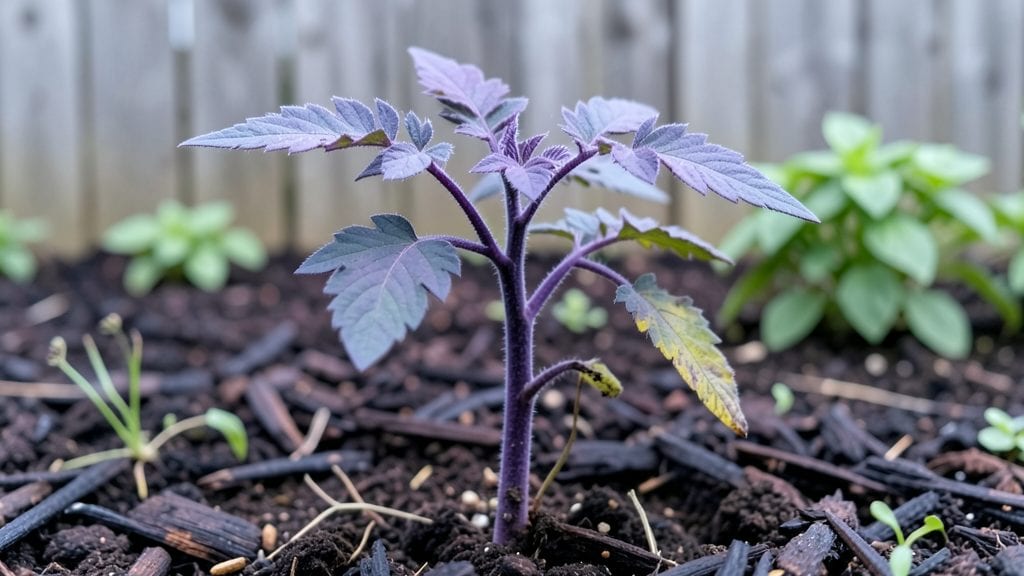
My tomato seedlings turned purple last spring, and I thought I’d ruined my harvest before it even started. 🌱 Turns out, that deep purple hue isn’t a sign of failure—it’s a cry for help from your plants, and cold stratification might be the key to fixing it before blooms even appear next year.
The purple tint usually means phosphorus deficiency, but it can also signal stress from cold snaps, overwatering, or poor drainage. I learned the hard way that seedlings need consistent warmth and balanced nutrients—especially when they’re young.
A simple soil test can reveal what’s missing, and adjusting your fertilizer mix makes a world of difference.
By the time your seedlings are ready to transplant, you’ll see vibrant green leaves instead of that worrying purple. The fix is simpler than you’d think: better drainage, the right fertilizer, and protecting them from temperature swings. Next year’s plants will thank you with stronger stems and bigger yields.
This works for both garden beds and containers, and the same principles apply whether you’re growing heirlooms or hybrids. Let’s get those seedlings back on track for a productive season.
Root Causes of Purple Seedlings
When your tomato seedlings start showing unexpected purple or reddish hues, it’s usually a sign that something’s off—whether it’s environmental stress, nutritional deficiencies, or even genetic quirks.
Understanding these causes helps you take corrective action before your plants suffer long-term damage. Let’s break down the most common reasons behind this color shift.
Tomato seedlings are sensitive to cold, and when exposed to temperatures below 50°F (10°C), they may develop purple pigmentation as a survival mechanism. This isn’t just a cosmetic issue—it’s a stress response triggered by:
- Cold stratification (or lack thereof): If seeds were not pre-chilled before germination, seedlings may struggle to adapt to cooler soil temperatures, leading to anthocyanin production (the compound responsible for purple color).
- Nighttime chills: Even if daytime temps are warm, drops below 45°F (7°C) at night can shock seedlings, causing purple stems or leaves.
- Poor heat retention: Containers left in drafty areas, unheated greenhouses, or outdoor beds without mulch lose heat rapidly, exacerbating the problem.
Pro Tip: 🌡️ Use heat mats or row covers to maintain soil temps above 60°F (15°C) during germination. If seedlings are already purple, move them to a warmer, consistently temperature-controlled space.
Purple tinges can also signal that your seedlings are starving for key nutrients, particularly:
| Nutrient | Why It Causes Purple | Quick Fix |
|---|---|---|
| Phosphorus (P) | Critical for energy transfer and root growth. A deficiency stunts development, and the plant compensates by producing anthocyanins in stems and leaves. | Apply a balanced fertilizer (e.g., 10-10-10) or bone meal lightly around seedlings. |
| Nitrogen (N) | While excess nitrogen can cause lush but weak growth, low nitrogen leads to slow metabolism, triggering purple hues as a stress signal. | Use a mild nitrogen boost like fish emulsion or compost tea. |
| Potassium (K) | Potassium helps regulate water and nutrient uptake. Without enough, seedlings become water-stressed, and purple pigment appears as a warning. | Add wood ash or greensand (sparingly) or use a potassium-rich fertilizer. |
Watch Out: Over-fertilizing can also cause issues! Purple leaves from salt burn (too much fertilizer) look similar but are often accompanied by crispy edges. Always water thoroughly after fertilizing to prevent buildup.
Tomato seedlings are not drought-tolerant, and both overwatering and underwatering can trigger purple discoloration:
- Underwatering: Dry soil restricts nutrient uptake, forcing seedlings to conserve energy. Purple stems or leaves appear as a stress response.
- Overwatering: Poor drainage or soggy soil cuts off oxygen to roots, leading to anaerobic stress and purple tinges (often paired with yellowing).
- Inconsistent moisture: Alternating between dry and waterlogged conditions confuses the plant, causing erratic pigment changes.
Solution: 💧 Keep soil evenly moist (like a damp sponge) and ensure pots have drainage holes. Use a moisture meter or stick your finger 1 inch deep—if it’s dry, water gently.
Not all purple is a red flag! Some tomato varieties are genetically predisposed to purple stems or leaves, especially:
- Heirloom or rare varieties: Breeds like ‘Indigo Rose’ or ‘Purple Calabash’ naturally develop anthocyanins for UV protection.
- Seedling vigor: Healthy, fast-growing seedlings may show temporary purple hues as they outpace nutrient supply.
- Light exposure: High-intensity light (like direct sun) can enhance purple pigmentation in some varieties as a natural sunscreen.
How to Tell If It’s Normal: ✨ If the purple appears evenly distributed, the plant is thriving otherwise, and there’s no wilting or stunting, it’s likely genetic. Monitor growth—if the plant outgrows the color, it’s a good sign!
Key Takeaway: Purple seedlings are usually a cry for help—whether from cold, hunger, or thirst. Act fast to adjust temps, nutrients, or watering, and your plants will bounce back with vibrant green growth!
Fixing purple tomato seedlings naturally
Now that you understand why your tomato seedlings might be turning purple—whether from cold stress, nutrient imbalances, or environmental factors—it’s time to turn things around. The good news?
Most of these issues have simple, garden-friendly fixes. Below, we’ll break down solutions by cause, so you can diagnose and revive your seedlings like a pro.
If your seedlings are purple from chilling, they need gentle warmth and protection. Here’s how to nurse them back to health:
1️⃣ Move Them to a Warmer Spot
- 🔥 Step 1: Relocate seedlings to a consistent 65–75°F (18–24°C) environment—indoors near a sunny window or under grow lights works best.
- 🌡️ Step 2: Avoid sudden temperature swings (like drafty windows or AC vents).
Use a seedling heat mat (set to 70–75°F) if nighttime temps drop below 50°F (10°C). - 💡 Pro Tip: If moving outdoors, acclimate gradually over 7–10 days to prevent shock. Start with 1–2 hours of sunlight per day and increase slowly.
2️⃣ Boost Humidity Without Overdoing It
- 💧 Step 1: Purple seedlings often struggle with dry air.
Place a humidity dome (or a plastic bag with holes) over them for 24–48 hours to trap moisture. - 🌧️ Step 2: Mist leaves lightly with room-temperature water in the morning to mimic dew.
Avoid wetting the soil directly to prevent rot. - ✨ Prevention: Use a pebble tray under the seedling tray—fill a shallow tray with water and pebbles, then place seedlings on top. The evaporating water adds moisture without soggy roots.
3️⃣ Check for Frost Damage
- If purple stems feel mushy or blackened, frost may have caused irreversible damage.
Trim affected parts just above healthy green tissue with sterilized scissors (dip in rubbing alcohol). - 🚨 Warning: If most of the seedling is dead, it’s better to pull and replant—reviving severely damaged seedlings wastes energy.
Purple hues from lack of nitrogen or phosphorus? Let’s fix that with targeted fertilizing.
1️⃣ Test Your Soil (Quick & Easy)
- 📊 Step 1: Grab a DIY soil test kit (or send a sample to your local extension office).
Purple seedlings often need: - More nitrogen (N): For leafy growth. - More phosphorus (P): For root and flower development. - 💡 Pro Tip: If testing isn’t an option, observe the plant: - Purple stems + yellow leaves? → Nitrogen deficiency (use a balanced fertilizer like 10-10-10). - Purple leaves + stunted growth? → Phosphorus deficiency (try a 5-10-10 or bone meal).
2️⃣ Fertilize Like a Pro
- 🍳 Step 1: Mix ½ teaspoon of Epsom salt (magnesium sulfate) into 1 gallon of water. Water seedlings at the soil line (not leaves) once a week for 2 weeks.
This helps with chlorophyll production. - 👨🍳 Step 2: Use a water-soluble fertilizer (like fish emulsion or seaweed extract) diluted to half strength. Apply every 2 weeks. - ⏰ Step 3: Wait 3–5 days before fertilizing again—overfeeding burns roots!
3️⃣ Improve Soil Drainage
- 🔪 Step 1: If soil is compacted or waterlogged, gently loosen the top 2 inches with a fork.
Mix in compost or coco coir to aerate. - 💧 Step 2: Ensure pots have drainage holes and use a well-draining mix (50% peat/coco coir, 30% perlite, 20% vermiculite). - 🌱 Prevention: Repot seedlings into larger containers (3–4 inches deep) if they’ve been cramped for 3+ weeks.
Purple seedlings can also signal poor light or circulation. Here’s how to fix it:
1️⃣ Upgrade Their Light Source
- 💡 Step 1: If seedlings are leggy and purple, they’re stretching for light. Move them 2–3 inches closer to grow lights (LED or fluorescent).
- ⏰ Step 2: Provide 14–16 hours of light daily.
Use a timer to automate lights if needed. - 🌞 Step 3: If using natural light, rotate trays daily so all seedlings get even exposure.
2️⃣ Increase Airflow
- 🌬️ Step 1: Place a small fan on low speed (1–2 mph) 2–3 feet away from seedlings.
This mimics wind and strengthens stems. - 💡 Pro Tip: Run the fan 24/7—it also helps dry leaves faster, reducing fungal risks. - 🚫 Avoid: Direct blasts of air (like a strong AC vent), which can dry out seedlings.
3️⃣ Thin Out Crowded Seedlings
- 🌱 Step 1: If seedlings are touching each other, they compete for nutrients and light. Snip the weakest ones at the soil line with clean scissors.
- 📏 Step 2: Leave 1–2 inches of space between remaining seedlings.
For tomatoes, one strong seedling per pot is ideal.
If purple discoloration is paired with spots, wilting, or bugs, pests or pathogens may be at play.
1️⃣ Spot Fungal Issues (Like Damping-Off)
- 🍄 Symptoms: Purple-black stems at the soil line, mushy base.
- 🔪 Fix: Remove affected seedlings immediately.
Sterilize tools with rubbing alcohol. - 💧 Prevention: - Water only at the base (avoid overhead spraying). - Add 1 part hydrogen peroxide (3%) to 9 parts water when watering to prevent fungi.
2️⃣ Deal with Pests (Aphids, Spider Mites)
- 🐜 Symptoms: Sticky residue, tiny webs, or chewed leaves.
- 🚿 Step 1: Spray seedlings with soapy water (1 tsp mild dish soap + 1 quart water).
Repeat every 3 days. - 🌿 Step 2: Introduce beneficial insects like ladybugs or lacewings. - 💡 Pro Tip: Neem oil spray (1 tsp neem oil + 1 tsp soap + 1 quart water) works for stubborn infestations.
Want to avoid purple seedlings next season? Follow these golden rules:
- 🌡️ Start seeds indoors 6–8 weeks before last frost (when temps are consistently above 50°F/10°C). - 🌱 Use a seedling heat mat for the first 2–3 weeks to keep roots warm. - 💧 Water consistently—keep soil moist but not soggy (stick your finger in; if the top inch is dry, water). - 🍽️ Fertilize lightly—seedlings don’t need much!
Wait until they have 2 true leaves before adding nutrients. - 🌿 Harden off gradually before transplanting—expose seedlings to outdoor conditions for 1–2 hours daily, increasing time over 1–2 weeks.
Frequently asked questions about purple tomato seedlings
Why do my tomato seedlings turn purple?
Purple hues in tomato seedlings usually signal stress from cold temperatures (below 50°F/10°C), nutrient deficiencies (especially phosphorus or nitrogen), or inconsistent moisture. Some heirloom varieties like 'Indigo Rose' naturally develop purple pigment, but if your seedlings are struggling otherwise, it's likely a cry for help from environmental factors or poor growing conditions.
How can I tell if the purple is normal or a problem?
Check for these signs: If the purple appears evenly distributed and the plant is otherwise healthy (no wilting or stunting), it might be genetic. However, if you see mushy stems, yellowing leaves, or stunted growth, the purple is a warning sign. Healthy seedlings should outgrow purple hues within a week if conditions improve.
What’s the fastest way to fix purple seedlings?
Move seedlings to a warmer spot (65–75°F/18–24°C), adjust watering to keep soil evenly moist, and apply a balanced fertilizer (10-10-10) diluted to half strength. For cold stress, use a heat mat or row cover to maintain consistent temperatures. Results should appear within 3–5 days if the issue is environmental.
Can I still transplant purple seedlings?
Yes, but only if they’re vigorous otherwise. Purple from cold or nutrient issues will often fade after transplanting, especially if you harden them off properly. Avoid transplanting if stems are mushy or blackened—this signals irreversible damage. For best results, wait until seedlings are green and sturdy before moving them outdoors.
Will purple seedlings still produce fruit?
Purple seedlings can recover and grow into healthy plants that produce plenty of fruit. The key is addressing the root cause (temperature, nutrients, or moisture) early. Once conditions improve, seedlings typically outgrow the purple phase and thrive. Just monitor them closely for the first few weeks after transplanting.